
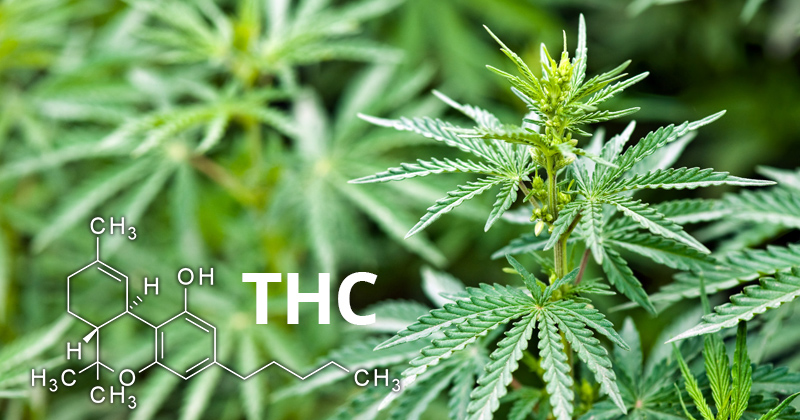
THC (tetrahydrocannabinol): a complete guide to the molecule
THC, or tetrahydrocannabinol, is the molecule that has made cannabis what it is in the collective imagination: a plant that «makes you high». Isolated and synthesized for the first time in 1964 by Raphaël Mechoulam, Today, it is one of the most studied natural compounds in the world, and one of the most poorly understood.
THC is not simply a recreational molecule. It's a cannabinoid that interacts with one of the human body's most fundamental regulatory systems, the endocannabinoid system, by binding to CB1 receptors in the brain and central nervous system. It is this binding that produces not only its psychoactive effects, but also its documented therapeutic properties: relief from chronic pain, reduction of nausea, treatment of spasticity, stimulation of appetite.
At a time when several European countries are legalizing or experimenting with medical and recreational cannabis, understanding what THC really is (its effects, risks, medical uses and legal framework) is more useful than ever.
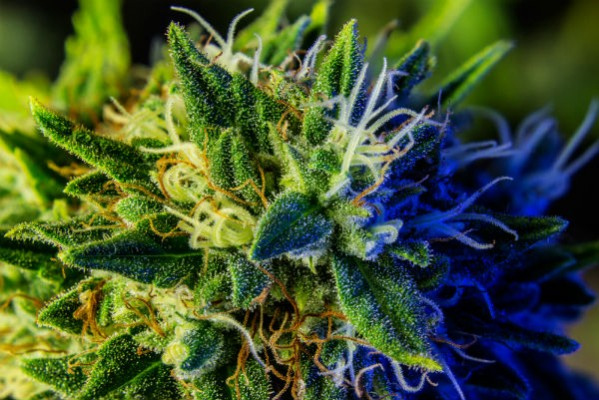
THC is one of the many compounds found in in the resin secreted by the Cannabis plant. Most of these glands are found around the plant's reproductive organs, the flowers. Other cannabis-specific compounds, called cannabinoids, are present in this resin. One of these cannabinoids, cannabidiol or CBD, is psychoactive but not psychotropic (it acts on the body, but without a «high» effect), and the other, cannabidiol or CBD, is psychoactive but not psychotropic (it acts on the body, but without a "high" effect). acts in cooperation with THC.
Effects of THC on the body
THC stimulates brain cells to release dopamine, creating a euphoric effect. It also interferes with information processed by the hippocampus, the part of the brain responsible for forming new memories.
The effects of THC last around 2 hours, arriving between 10 minutes and 1 hour after ingestion, depending on the method of consumption. Cannabis smoke acts more quickly than cannabis-infused cake, for example. The period during which THC remains in the blood is much longer.
The list of THC's effects is long. It ranges from relaxation to pain relief, but THC can also trigger anxiety, tachycardia or short-term memory loss. Some cannabinoids like some terpenes (the compounds that produce the aroma and smell of plants) can modulate and reduce the negative effects of THC.
THC risks
The effects of cannabis have made the substance popular. In fact, it is considered one of the most widely consumed illicit drugs in the world. But the psychoactivity of THC can have an impact on the mental health of some people, triggering a relapse of schizophrenic symptoms, according to NIDA.
Another risk of THC consumption comes in the form of impaired motor skills. Cannabis can impair driving or similar tasks for up to 3 hours after consumption, and is the second most common psychoactive substance found after alcohol in drivers.
Cannabis use can also cause long-term problems for young people, particularly in terms of brain development and memory. Some studies have also found links between reduced fertility and cannabis use in some people.
Medical uses of THC
Cannabis has been used for medicinal purposes for over 3,000 years. In Europe, some countries authorize the medical use of cannabis. Recreational use is also tolerated in the Netherlands, Germany and Spain.
THC can be extracted from cannabis or synthesized. In France, Sativex is the only cannabis-based medicine currently authorized for use by multiple sclerosis sufferers. However, it is not marketed, The French Ministry of Health was unable to reach agreement with the drug's distributor on a selling price. Sativex relieves the symptoms of multiple sclerosis, such as spasticity (muscle contraction).
At the same time, France has launched a 2021 national experimentation with medical cannabis, It has since been extended and prolonged. It gives patients suffering from refractory neuropathic pain, certain forms of severe epilepsy, palliative care, chemotherapy or spasticity linked to multiple sclerosis access to cannabis-based products under strict medical prescription. Initially scheduled to run for two years, the experiment has been extended pending a decision on whether to make the scheme permanent.
Internationally, several European countries have legalized the medical use of cannabis (Germany, Netherlands, Italy, Portugal in particular), and Germany has taken a further step by partially legalizing recreational use in 2024. Malta and Luxembourg have also done so at their level, the former relying on Cannabis Clubs and the latter authorizing only self-cultivation.
Cannabis is also increasingly used in the United States to replace opiate-based painkillers, which are responsible for many deaths and addictions.
Pain relief
A review from January 2017 from over 10,000 human studies shows that cannabis is safe and effective for relieving chronic pain in adults. Pain due to tissue damage and inflammation, as well as damage to the nervous system, can be treated with cannabis. THC, in particular, is effective both as an anti-inflammatory and as a neuroprotective antioxidant. THC's ability to relieve pain relies, in large part, on the activation of CB1 receptors in a region of the brain critically involved in pain control throughout the body. Deep pain relief is more likely to occur if THC can enter the bloodstream and this part of the brain.
Appetite stimulation
Most of what we know about THC and appetite stimulation comes from cancer and AIDS research. Thanks to the development of medical cannabis as a treatment for weight loss related to cancer and AIDS, we're learning that THC can stimulate appetite by interacting with appetite hormones such as ghrelin and leptin, which are involved in regulating food intake. Food intake, metabolism and energy utilization are highly complex processes. Further research is therefore needed to fully understand how THC promotes appetite.
Antiemetic
The endocannabinoid system may play an active role in reducing nausea and vomiting. Research, such as a study published in 2011 in the British Journal of Pharmacology, THC has been shown to be highly effective in reducing nausea and vomiting in cancer patients undergoing chemotherapy.
Muscular spasticity
Several studies have shown cannabis to be effective in treating muscle spasticity associated with multiple sclerosis (MS). THC in particular has shown its potential to rapidly reduce the strength and frequency of muscle spasms associated with MS, according to a 2007 study published in the British Journal of Pharmacology. A 2013 study published in the Journal of Neurology revealed that THC could also be effective in treating the neuropathic pain associated with MS.
Substance abuse treatment
Although THC is a rewarding substance in its own right, it may have some potential to reduce the abuse potential of other substances. In animal models, THC has been shown to reduce heroin use. Similarly, in humans, the whole cannabis plant and THC appear to increase the likelihood of a person remaining in treatment for an opiate use disorder. One theory is that THC reduces an individual's motivation to use other rewarding substances.
Beyond these pharmacological effects, cannabis and/or THC may offer additional benefits in terms of harm reduction, for example by providing people with substance use disorders with a non-lethal alternative to more dangerous drugs. Of course, the best treatment for addiction is prevention, and there is promising evidence that cannabis can prevent the abuse of other drugs entirely. For example, when a state passes a medical cannabis law, alcohol sales drop by an average of 15 %.
Metabolism
Cannabis users tend to have a lower body mass index (BMI), lower rates of fatty liver disease and lower rates of diabetes than non-cannabis users. Although the extent to which other cannabis constituents influence these effects is unclear, animal studies have verified that THC plays a key role in preventing diet-induced obesity.
Endocannabinoid deficiency
The endocannabinoid system is responsible for maintaining the balance of many vital functions - regulation of pain, mood, sleep, digestion and immune response. The theory of endogenous cannabinoid deficiency postulates that some people do not produce enough of their own cannabinoids, leading to a disruption of these homeostatic processes.
Converging arguments suggest that a dysfunction of the endocannabinoid system may be involved in pathologies such as chronic migraine, irritable bowel syndrome and fibromyalgia - three diseases for which conventional treatments often remain insufficient, and which have responded favorably to cannabis in some studies. It remains to be seen whether this deficiency is genetic in origin, or the result of disease or chronic stress.
To understand in detail how this system works and why THC produces its effects, consult our page dedicated to the endocannabinoid system.
Undesirable effects and risks of THC
The response to THC varies considerably from person to person. Scientists have identified nine variations in the CB1 receptor gene, which explains why some people tolerate THC well, while others are highly sensitive to its negative effects. Dose, method of consumption, consumer experience and pre-existing health conditions also play a determining role.
Paranoia and anxiety
This is the most frequently reported side effect. At high doses, THC can trigger a stress reaction in the brain, interpreting an accelerated heart rate as an alarm signal. This phenomenon is more likely to occur with strains with high THC concentrations and no CBD to compensate. Starting with low doses and gradually increasing is the best way to avoid it. Paranoia tends to diminish over time as tolerance develops.
Tachycardia
Cannabis consumption generally causes a temporary increase in heart rate and blood pressure within minutes. This effect is harmless for most people, but can be problematic for those suffering from cardiovascular disorders or taking medication to regulate blood pressure. Low-THC or CBD-balanced varieties reduce this effect.
Short-term memory loss
THC interferes with the processing of information by the hippocampus, the brain region responsible for forming new memories. This effect is temporary, but can have long-term consequences for regular users, particularly young people whose brains are still developing. Studies have shown that the presence of CBD in cannabis significantly attenuates this effect on memory.
Red eyes
The drop in blood pressure that follows THC consumption leads to dilation of the ocular capillaries, making eyes red. It's a harmless side effect, usually lasting a few hours, the intensity of which depends on the dose consumed.
Impact on mental health
THC's psychoactivity can have an impact on some people's mental health. According to NIDA, regular use can trigger a relapse of schizophrenic symptoms in predisposed individuals. People with a history of psychotic disorders should avoid THC, or consult a doctor before use.
Effects on young people
Cannabis use during adolescence can disrupt brain development and permanently affect memory and cognitive faculties. Many jurisdictions require a legal guardian to supervise the administration of medical cannabis to persons under the age of 18.
Motor skills and driving
Cannabis can impair motor skills for up to 3 hours after consumption. It is the second most frequently detected psychoactive substance in drivers, after alcohol. Driving under the influence of THC is illegal in France, and carries criminal penalties.
THC overdose
You can't die from a cannabis overdose. Too much, however, can lead to unpleasant situations. Visit edibles, Food containing THC is often the problem. The effect of space food is not immediate, and overdose can happen quickly. Governments that have legalized recreational or medical cannabis now restrict THC levels to 10mg per serving, with clear signage and «difficult-open» packaging to prevent access by young children.
THC concentrations in cannabis
THC levels in cannabis depend on the variety, the cultivation method and the skills of the grower. In France, a variety with a THC level of less than 0.3% is considered to be cannabis. hemp, A product that is legal for cultivation and used in the construction, textile, food, cosmetics and health industries...
Depending on the temperature at which it is consumed, it will also act differently. The THC boiling point is 157°C.
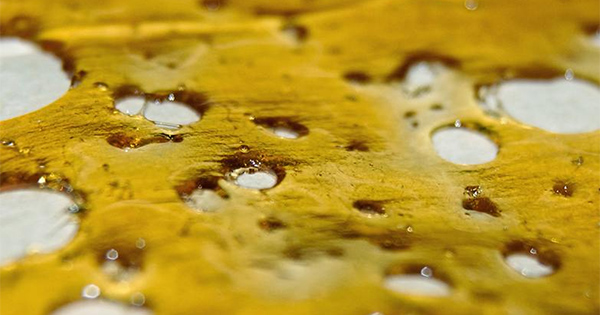
THC concentration in cannabis is highly variable. It is also linked to the level of THCa, the precursor of THC in the plant. THC levels in weed are considered to range from 10 to 15%, and in resin from 15 to 20%. Some cannabis extractions develop THC levels ranging from 70 to 90%.
The lower the THC level, the more cannabis users need to consume to feel the effects.
The relationship between THC and CBD
Cannabidiol (CBD), marijuana's other best-known compound, binds to both CB1 and CB2 receptors. It doesn't cause intoxication like THC, and its anti-inflammatory and pain-relieving effects may be the result of several other receptor pathways. At the molecular level, CBD is the inverse agonist of THC, inducing the opposite cellular response to THC.
The CBD and THC can induce opposite responses, This does not mean that they necessarily cancel each other out when used together. Rather, CBD seems to enhance the therapeutic and pleasurable effects of THC by minimizing undesirable side effects such as anxiety and increased heart rate.
Several studies have consistently revealed CBD's ability to reduce the potentially negative side effects of THC. Studies conducted from 2010 onwards have indicated that CBD minimizes the negative effects of THC on memory. A 2012 study even demonstrated that cannabis users with a higher intake of CBD had better recall memory than users whose cannabis did not contain CBD. Similar results have been found in studies of THC-related anxiety, addictive potential and paranoia.
What's more, because of CBD's ability to counteract THC's undesirable side effects, it enables patients to tolerate higher doses of THC, resulting in better health outcomes.
Who should avoid THC?
People at risk of psychosis and those with heart problems should generally avoid THC, especially in high doses. People should not consume cannabis where the law prohibits it. People under the age of 18 should seek the advice of a qualified physician before consuming THC. Many jurisdictions require a legal guardian to supervise the administration of medical cannabis to people under 18.
What should you do if you consume too much THC?
While it's impossible to overdose on cannabis in a fatal or even incapacitating way over the long term, it's still possible to consume a dose of THC that produces unpleasant and undesirable side effects.
THC overdose can produce symptoms of panic, paranoia, nausea, vomiting, dysphoria, emotional distress and physical discomfort. Overdose is most likely to occur when a user ingests an edible cannabis product. This is because when THC passes through the digestive system, it is broken down by liver enzymes. The liver converts Delta-9 THC into 11-hydroxy THC, which is a much more potent activator of the CB1 receptor.
Above all, if you feel intense symptoms of THC overdose, Try to stay calm. Although the feeling of panic is very common, it is always temporary. THC overdose symptoms can last from a few minutes to several hours, depending on the amount and method of THC consumption. While you wait for symptoms to subside, try to distract your mind by listening to soothing music or watching TV. Drink small sips of water to rehydrate and reduce dry mouth symptoms.
Doctors encourage people suffering a severe THC overdose to go to the emergency room, where the patient will usually be sedated and monitored until the overdose symptoms subside. However, most people with moderate symptoms can manage an overdose at home with the help of friends or family and in a soothing, supportive environment.
What are the different types of THC?
There are different types of THC, called isomers or analogues. The THC we usually talk about is the delta-9 THC isomer. Other isomers exist but are naturally present in minute quantities in the Cannabis plant: the Delta-8 THC, Delta-10 THC, and even THCV or the THCP.
Is THC legal in France?
THC is a substance classified as a narcotic in France. Its production, possession, sale and consumption are illegal outside the frameworks expressly authorized by law: medical cannabis under prescription, supervised scientific research.
The legal limit that distinguishes hemp from illicit cannabis is set at 0.3% THC in the whole plant and its products in France. Below this threshold, the plant is considered industrial hemp, and can be freely cultivated, processed and marketed for its fibers, seeds, flowers or to extract CBD. Some European member states apply different thresholds: Italy allows up to 0.6% of THC in its hemp crops, the Czech Republic up to 1%. Each country therefore sets its own rules within this framework.
CBD-based products legally sold in France (oils, flowers, cosmetics) must comply with this residual THC threshold. A product containing THC in excess of 0.3% falls within the scope of narcotics legislation, whatever its form or origin.
THC isomers (Delta-8, Delta-10, THCP) are all illegal in France.
For consumers, it's important to remember that possession of cannabis for personal use is still an offence in France, even if the contraventionnalisation now makes it possible to avoid prosecution in exchange for a fine (€150), while maintaining the opening of a criminal record.





CBD is said to promote athletic recovery, without improving performance

294 cannabis clubs in Chile: a booming movement with uneven distribution

Chronic Sciatica: New York Approves First Clinical Trial of a THC-Based Medication

United States: The DEA is accelerating the integration of medical cannabis at the federal level

Florida is nearing one million patients using medical cannabis

Uruguay Revives Its Plan to Allow Tourists to Legally Access Cannabis

In Brazil, researchers are developing an innovative CBD eye drop

Autism: Medical Cannabis Is Linked to Reduced Anxiety

The $28 billion U.S. hemp market remains under threat

