
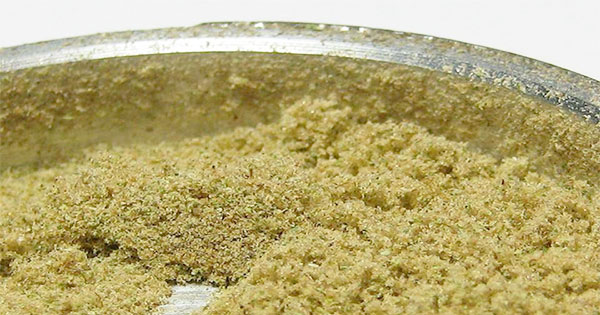
What is kief?
Have you always wondered what the powder at the bottom of your grinder is?
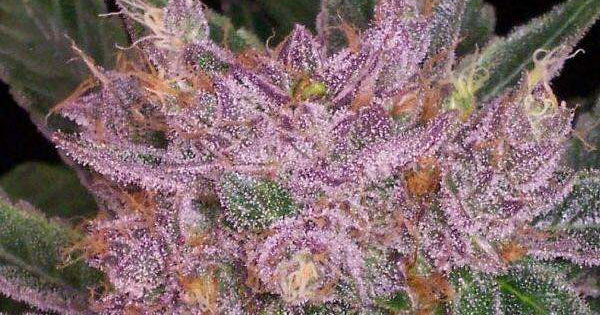
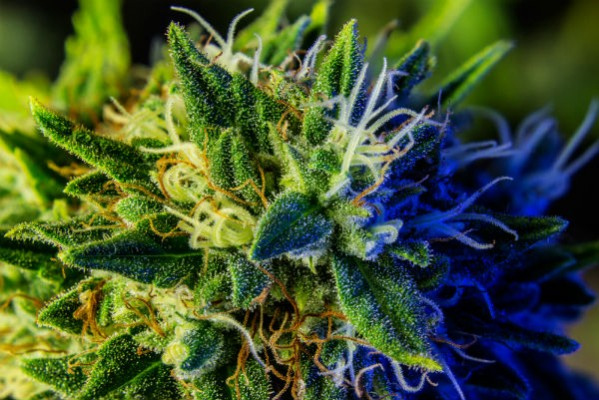
Well, we've got an answer for you: it's from kief. Kief (or keef, pollen, popo, skuff) comes from the resinous glands that cover the cannabis plant. trichomes) and contain the terpenes and cannabinoids that make cannabis so unique. Even if a cannabis plant without a trichome still contains cannabinoids, The resin glands account for most of them.
Many plants and algae have external trichomes for evolutionarily specific reasons. For example, some carnivorous plants use their external sticky trichomes to catch their prey. Other plants, such as Cannabis, use them as a repellent for herbivores. By producing a psychoactive substance, cannabis trichomes will disorientate any animals that eat them, thus preventing them from being eaten. The strong resin smell and distinct fragrance also attract insect pollinators.
Kief, pollen, skuff: what's the difference?
These three terms refer to very similar but not quite identical realities, and confusion is common, even among experienced consumers.
Kief is the generic term for cannabis trichomes separated from the plant, in the form of a fine, golden powder. It's a dry mechanical extraction process, with no need for solvents or water - the simplest there is. The word comes from Arabic and has given rise to the verb «kiffer» in French, as well as «kieffen» in German.
Pollen is often used as a synonym for kief in France and other French-speaking countries. This is actually a misnomer: botanical pollen refers to the male reproductive cells of a plant, which have nothing to do with the trichomes of female cannabis. Nevertheless, the term has found its way into everyday language, notably to designate kief as it is marketed in hashish-producing countries, and in Morocco in particular, where «pollen» refers to the sifted resin of the highest quality.
Skuff, on the other hand, is often presented as a synonym for kief, but in the language of connoisseurs refers more precisely to a kief of lesser quality, more loaded with vegetable matter and therefore less pure. The distinction is not universal and varies according to region and usage.
In practice: the lighter and more golden the kief, the purer it is. Greenish kief contains more chlorophyll and plant matter, which influences taste and potency.
What is the THC content of kief?
Kief is naturally more concentrated in THC than the flower it comes from, since it corresponds to a concentration of trichomes - the glands that produce cannabinoids.
Dried cannabis flower generally contains between 15 and 25% of THC. The average THC content of kief from the same flower is between 40 and 60%, depending on the quality of extraction and purity of the material. A very pure kief, meticulously sifted with a fine-mesh sieve, can exceed 70%.
That's why kief should be used with care, especially if you're used to dosing according to a classic flower. A generous sprinkling on a joint can easily double or triple your usual potency.
Extracting the kief
L’kief extraction is very simple. While professionals harvest kief with huge sieves, or by beating the cannabis plants with a sort of flail as is traditional in Morocco, a four-stage grinder is sufficient for small quantities. These grinders have a sieve that allows the kief crystals to pass through, and collect it on the «first floor». The lighter the color, the purer the kief.
What does this have to do with hashish?
Extracting kief is the first step in making hashish. In a nutshell, pot is simply kief heated and pressed into a wafer. The pressure and heat break down the resin glands and change the structure of the cannabis. The result is a darker material, with a different taste and effect from the original kief.
For even more advanced extraction with ice water, kief is also the starting material for the bubble hash.
Why is kief stronger than grass?
As kief is extracted from the trichomes that contain most of the plant's THC, it is essentially a THC concentrate. Medical patients or recreational users need a smaller dose than «normal» cannabis to experience the same effects.
How to use kief
Sprinkling a generous layer of kief over the top of a bowl, joint or blunt can dramatically increase the potency of cannabis, for a more intense, longer-lasting high. Adding kief will also make the cannabis burn more slowly, extending the time it takes to smoke it. If you're a fan of shisha in a hookah, you can sprinkle it over the tobacco before adding the hot coals.
What's skuff got to do with it?
Skuff is another word for kief. In everyday language, skuff is sometimes used to refer to poor-quality kief. Most of the time, skuff is a synonym for kief, and refers equally to the equipment used to make cannabis resin.
Creating Marrakech butter
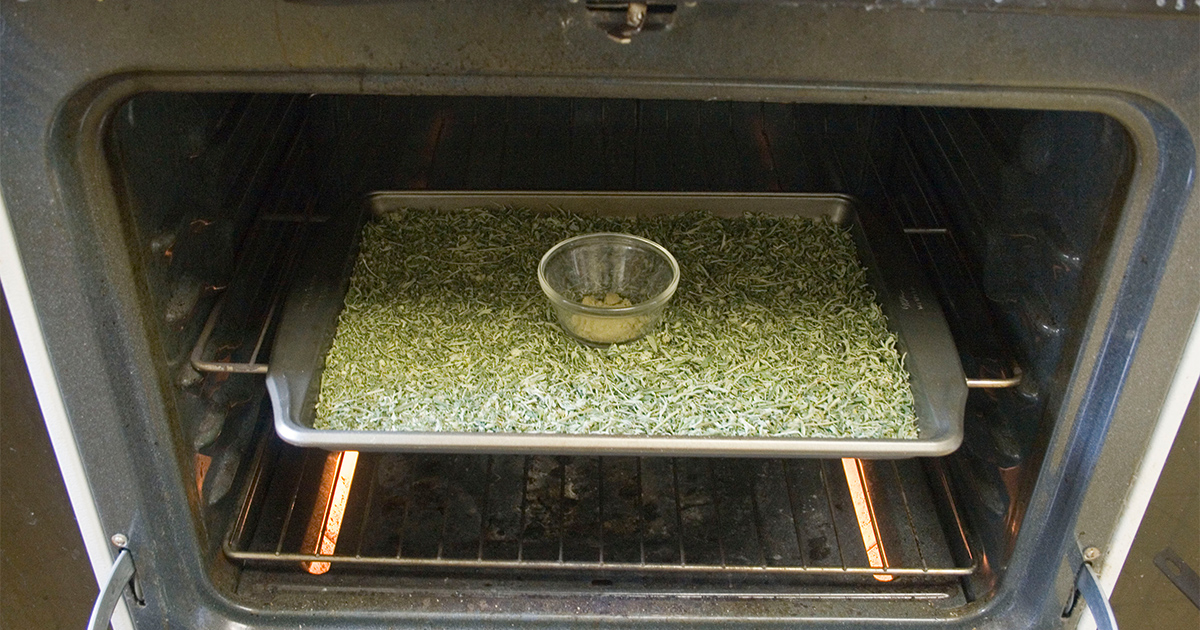
You can use the kief to prepare a batch of Marrakech butter and turn it into cakes, brownies, salad dressings, etc. When using kief in your favorite edibles, remember that it's not yet decarboxylated, so be sure to expose it to heat long enough to activate the THC or you may be disappointed. That said, kief is a concentrate of trichomes, so a little will go a long way.
Making moonrocks
Kief can also be used to make so-called Moonrocks. To create moonrocks, high-quality cannabis flowers are coated with hot concentrate and sprinkled with kief. Once the moonrocks have hardened, they can be shredded (don't use a grinder) and smoked, giving a very potent high.
On average, moonrocks contain over 50 % of THC. Some people also use the term «cannabis caviar» but, technically, these are weed heads dipped in concentrate, without the final sprinkling of kief.
Add it to tea or coffee
Heat activates cannabinoids, so if you add kief to hot drinks like coffee or tea, it can produce effects similar to those of edibles. Expect the effects to be felt 30 minutes to two hours after consumption.
How to store kief?
Kief degrades under the effect of heat, humidity, oxygen and light - the same enemies as any cannabis concentrate. Store it in a small airtight container, Store in a cool, dark place, ideally in glass or metal, away from direct light and at cool room temperature.
Kief tends to electrify and stick to the sides of plastic containers - prefer glass or metal. Four-tiered grinder compartments are acceptable for short-term storage, but for longer-term preservation (several weeks or months), transfer the kief to a dedicated container.
In the right conditions, kief can be kept for several months without any significant loss of strength or aroma. Slight darker coloration over time is normal and simply indicates progressive oxidation rather than major degradation.







CBD is said to promote athletic recovery, without improving performance

294 cannabis clubs in Chile: a booming movement with uneven distribution

Chronic Sciatica: New York Approves First Clinical Trial of a THC-Based Medication

United States: The DEA is accelerating the integration of medical cannabis at the federal level

Florida is nearing one million patients using medical cannabis

Uruguay Revives Its Plan to Allow Tourists to Legally Access Cannabis

In Brazil, researchers are developing an innovative CBD eye drop

Autism: Medical Cannabis Is Linked to Reduced Anxiety

The $28 billion U.S. hemp market remains under threat

