
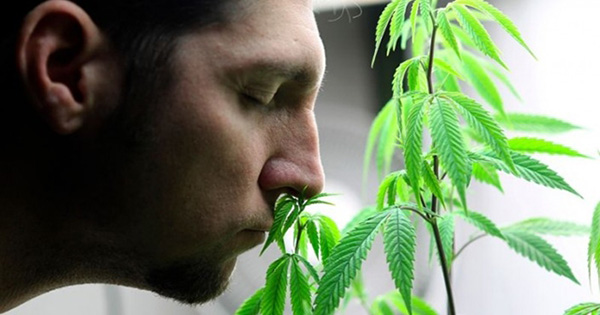
Cannabis terpenes: definition, effects and list of main ones
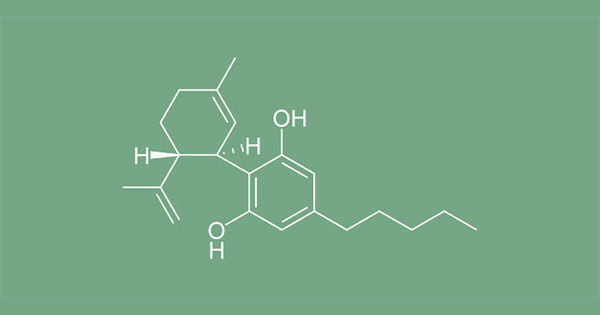
The terpenes represent a wide variety of hydrocarbons produced by a large number of plants and certain insects. They are the main components of any resin or essential oil plant and play an important role in the plant kingdom, from deterring insect predation and protecting against environmental stress, to building more complex chemical building blocks such as cannabinoids, certain hormones, vitamin A, pigments and sterols.
The terpenoids contribute to the scent and flavor of eucalyptus, the fragrance of cinnamon, cloves, ginger and the color of yellow flowers. The best-known terpenoids include citral (the main constituent of citronella oil), menthol and also the cannabinoids.
Terpenoid plants are widely used for their aromatic qualities. They play a role in traditional herbal remedies and are currently under scientific scrutiny to confirm their antibacterial or antineoplastic (prevents or inhibits tumor development) properties.
- Introduction to terpenes
- Synergistic effects
- Use of terpenes
- What are flavonoids?
- The terpene wheel
- The main terpenes in cannabis
Introduction to terpenes
The Cannabis plant is made up of a wide variety of chemical compounds and molecules. Around 140 of these belong to a broad class of aromatic organic hydrocarbons known as terpenes. Some people confuse terpene with terpenoid. The main difference between terpenes and terpenoids is that terpenes are hydrocarbons (composed solely of carbon and hydrogen), whereas terpenoids are oxidized or chemically modified.
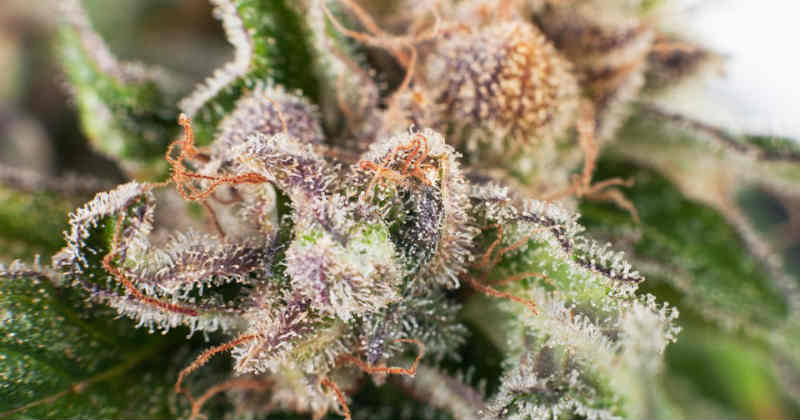
Terpenes are synthesized in cannabis by secretory cells inside the glandular trichomes. Their production increases with exposure to light. These terpenes are mainly observed in high concentrations on the flowers of unfertilized female plants before senescence. The essential oil is extracted from the plant by distillation or vaporization. Most terpenes vaporize at a temperature similar to that of THC (boils at 157°C), but some terpenes are more volatile than others. Terpenes also play an important role in providing the plant with a natural means of protection against bacteria and fungi, insects and various environmental stresses.
Cannabis can affect the mind, emotions and behavior. The main psychotropic cannabinoid, the delta-9-tetrahydrocannabinol (THC), has been extensively studied. However, most of the other cannabinoids, terpenoids and flavanoids in cannabis play a major role in the effects of cannabis and remain understudied.
Terpenes are the main constituents of aromas and odors. They act on receptors and neurotransmitters. They combine or dissolve in lipids or fats. They act as serotonin reuptake inhibitors, enhance norepinephrine activity, increase dopamine activity and increase GABA, an inhibitory neurotransmitter of the nervous system. However, more research is needed to clarify how cannabis terpenes can be used medicinally to treat certain symptoms or pathologies.
| Class | Structure | Isoprene units | Examples in cannabis |
|---|---|---|---|
| Monoterpenes | C10 | 2 | Myrcene, limonene, pinene, linalool, terpinolene |
| Sesquiterpenes | C15 | 3 | Caryophyllene, humulene, bisabolol |
| Diterpenes | C20 | 4 | Phytol (chlorophyll precursor) |
| Triterpenes | C30 | 6 | Sterol precursors |
| Terpenoids | Variable | Variable | Oxidized/chemically modified terpenes |
Synergistic effects of terpenes and cannabinoids
L’Carlini et al study has shown that the effects of THC can be potentiated by other substances present in cannabis, a principle known as’entourage effect. The double-blind study found that cannabis with equivalent or higher levels of CBD and CBN to THC induced effects two to four times greater than expected with THC alone. The effects of consuming twice as much cannabis of a THC-only variety were no different from those of placebo.
This suggestion was reinforced by a study carried out by Wilkinson et al, who wanted to determine whether there was an advantage in using cannabis extracts compared with isolated THC. A standardized cannabis extract composed of THC, CBD and CBN (SCE), another of pure THC, and another without THC but with CBD, were tested on mice with multiple sclerosis and a rat with epilepsy.
Scientists found that SCE inhibited multiple sclerosis spasticity compared to a comparable level of THC alone, and caused greater muscle relaxation and reduced onset time. CBD caused no reduction in spasticity.
In the epileptic model, SCE was more potent and faster acting than THC alone. CBD also showed anticonvulsant activity. CBD did not prevent epileptic seizures, nor did it modulate the activity of THC.
Consequently, for certain actions of cannabis (e.g. anti-spasticity), THC was the active constituent, which can be modified by the presence of other components. However, for other effects (anticonvulsant properties, for example), THC, although active, may not be necessary for the observed effect. Above all, these results demonstrate that not all the therapeutic actions of cannabis are due to THC.
The Dr. Ethan Russo would later support this theory with scientific proof by demonstrating that non-cannabinoid components such as terpenes act as inhibitors of THC's intoxicating effects, while enhancing THC's therapeutic potential. This «terpeno-phytocannabinoid synergy» - the combined benefits of terpenes and cannabinoids - increases the potential of cannabis extracts to treat pain, inflammation, bacterial and fungal infections, depression, anxiety, addiction, epilepsy and even cancer.
Why does the Cannabis plant produce terpenes?
Plants create terpenes to protect themselves from herbivores, insects and other environmental hazards. They are also responsible for plant regeneration and oxygenation. In light of these functions, it makes sense that some serve as potential immune stimulants in humans. It seems that terpenes can provide immune defenses in both the people who consume these aromatic compounds and the plants that produce them.
Over 200 terpenes have been discovered in the Cannabis plant, but most of them are only present in such small quantities that analytical laboratories aren't even able to detect them. So why does the cannabis plant produce them all?
Current research indicates that several factors may contribute to terpene diversity. Terpene synthases (TPS) - the enzymes responsible for creating terpene structure - can either produce multiple terpenes from the same basic structure, or provide pathways for the production of entirely new terpenes.
It is also possible that terpenes will continue to diversify as part of a growing defense against natural enemies that will evolve and diversify their counter-defenses in the future. Terpene diversity may also be the result of human intervention. Or, more precisely, the chemical differences we observe in cannabis may be the result of extensive cultivation and selection for a variety of desired characteristics.
How do growing, harvesting and drying conditions affect terpene expression?
Terpene preservation has never been more important to the cannabis market than it is today. Growing, harvesting and drying conditions all have an effect on terpene expression, and they can all contribute to the high terpene cultivars that today's cannabis consumers are looking for.
Growing cannabis plants indoors gives the grower greater control over the environmental factors that contribute to or detract from a plant's terpene expression. Indoor growers will be familiar with hydroponics, or methods of growing plants in a nutrient solution and water system instead of soil.
While hydroponics doesn't necessarily inhibit terpene expression, traditional soil cultivation is an easier way of ensuring a prominent terpene profile. Excessive nutrients can also inhibit terpene expression, which growers can combat by reducing nutrient intake during the last week or two before harvest.
Growers who want a rich terpene profile from their plants should harvest neither too early nor too late. Harvesting too early can prevent trichomes from fully producing cannabinoids and terpenes, while harvesting too late can produce trichomes whose chemical potency has diminished or which have broken down entirely. Well-ripened trichomes will be fat, distinct and translucent on the plant surface, and rich in terpenes.
Cannabis chemotypes and terpenes
There are many chemical phenotypes, or chemotypes, of cannabis. A cannabis chemotype represents the chemical profile of a cannabis plant, i.e. its ratios of cannabinoids and terpenes.
Cultivated variety chemotypes
Most of the cultivars on the market are predominantly myrcene or caryophyllene. However, research into the chemotypes of today's cultivars suggests that a cultivar does not necessarily express a single chemotype, but may instead exhibit a spectrum of chemotypes. In other words, two plants of the same cultivar may have slightly different chemical expressions. These findings speak volumes about the obsolescence of our current cannabis taxonomy, the indica/sativa/hybrid classification model.
The terms indica and sativa were originally used to describe the physical characteristics and geographical origin of a cannabis plant, not its chemical composition. Furthermore, the indica/sativa taxonomy was established long before we knew anything about cannabis terpenes and the enormous variety of chemotypes involved in their presence in the cannabis plant. It was also established long before intensive breeding completely diversified the chemical composition of the cannabis plant.
An in-depth study of terpene and cannabinoid expression in a wide range of plant samples concluded that classifying cannabis according to its terpene and cannabinoid content would be more effective in identifying the best medical uses for a given cultivar.
Landrace variety chemotypes
The Landrace varieties are cannabis plants cultivated in their original environments and geographical regions. Acapulco Gold, Panama Red and Durban Poison are examples of original landrace varieties that have been domesticated for traditional cultivation. Terpenes present in natural cannabis include myrcene, caryophyllene, humulene, limonene and pinene. The common expression in landrace strains probably means that they represent the terpene profiles that nature intended before man began intensive breeding.
Use of terpenes
We know about the medical and recreational uses of cannabis, but the most subtle aspect of the plant - its smell - is largely unknown. The aromatic herbs we use in cooking are made up of specific terpenes that give them a distinct smell. Cannabis is so complex in this respect that terpene combinations are limitless, creating an infinite spectrum of aromas and fragrances. But this also explains why some cannabis varieties have smells similar to well-known fruits or essences (pine, blueberry, lemon, etc.).
Terpenes, however, are about more than just smell. Many terpenes act synergistically, and some act as catalysts or inhibitors for other plant compounds. Understanding the role of certain terpenes will enable scientists to manipulate cannabinoid levels. Some terpenes are thought to modulate the psychoactive and physiological effects of cannabis.
For example, cannabis contains a certain amount of a terpene called caryophyllene (BCP), which contributes to the plants' aroma and fragrance. Early studies show that this terpene, also found in other legal herbs such as black pepper (plays on pepper's spiciness), activates CB2 receptors and acts as a non-psychoactive anti-inflammatory. Since it is linked to a cannabinoid receptor, and since caryophyllene is present in FDA-approved foods, BCP is the first dietary cannabinoid.
Further studies are needed, however, to find out how all these substances play a part in the medicinal properties of cannabis.
Are terpenes dangerous?
Cannabis' natural terpenes are generally considered safe at the concentrations present in the plant. Present at levels of 0.1 to 4% in flowers, they present no documented risk in the context of normal consumption.
A few important nuances:
Industrial concentrations (pure essential oils, isolated terpenes added to vape cartridges), some terpenes can be irritating to the respiratory tract. Carene in particular can cause coughing or throat irritation in high concentrations.
Terpinolene at very high doses has shown central nervous system depressant effects in animal models, with no documented equivalent at the doses present in cannabis.
Thermal degradation Some terpenes turn into potentially irritating compounds at high temperatures (>230°C). This is another reason to choose low temp dab and low-temperature vaporization to preserve terpene integrity.
In short: cannabis terpenes present no known danger in the context of habitual consumption, but their quality in processed products (cartridges, distillates with reintroduced terpenes) warrants attention. certificate of analysis remains the best guarantee.
What are flavonoids?
The flavonoids are one of the largest nutrient families known to scientists, and include over 6000 identified members. Around 20 of them, including apigenin, quercetin, cannflavin A and cannflavin B (found only in cannabis), β-sitosterol, vitexin, isovitexin, kaempferol, luteolin and orientin have been identified in cannabis. Flavonoids are known for their antioxidant and anti-inflammatory properties, as well as for their contribution to the colors of the foods we eat (the blue of blueberries or the pink of raspberries).
Some flavonoids extracted from cannabis have been studied for their pharmacological effects. Initial findings are promising, but more research is needed to fully understand the role of flavonoids in the medical use of cannabis, in particular how they interact with cannabinoids, either synergistically enhancing or depressing them.
The terpene wheel
Terpenes have been shown to be essential in the manufacture of plant pigments, sterols, hormones and even cannabinoids. Terpenes are also responsible for cannabis' pleasant or unpleasant smells and physiological effects. Cannabis consumers often ask to smell their weed before choosing it. Smell helps to identify the variety of cannabis, and therefore its effects.
Like Casano et al study has shown, cannabis varieties differ greatly from one to the next, and even from one harvest to the next. Varieties with a high concentration of specific terpenes are more identifiable by smell than others.
Varieties with musk or clove scents thus deliver more sedative and relaxing effects, due to their high myrcene levels. Varieties with a more piney scent have a more mental and memory-boosting effect (pinene terpene). And lemon aromas promote a good mood (limonene).
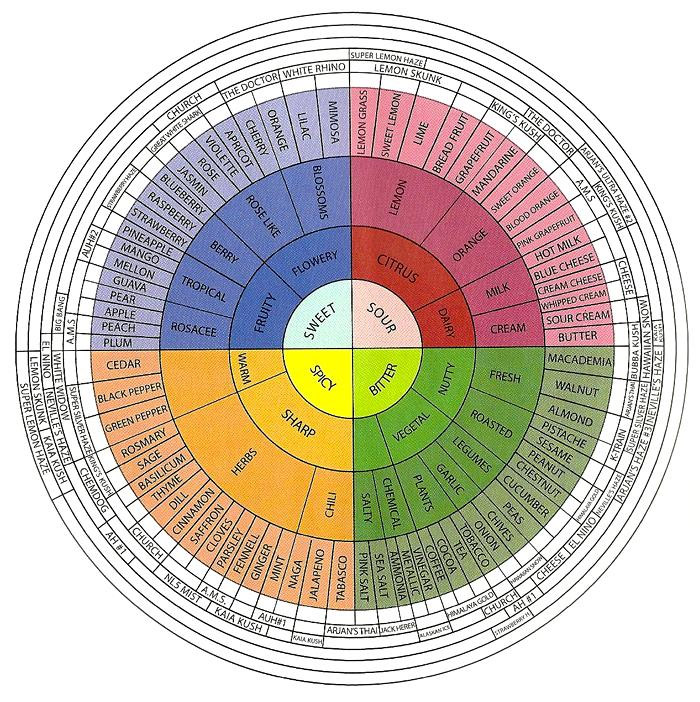
The cannabis terpene wheel developed by Green House Seeds identifies strains by their aromatic profile and effects.
Through spectral analysis, Green House has identified the terpenes in their strains, and developed a «flavor wheel» to help cannabis consumers choose their strain according to desired effects. Although this wheel is geared towards Green House strains, the concept and vocabulary used is a practical tool for doctors, patients, growers and consumers alike.
The main terpenes in cannabis
| Terpene | Aroma | Main effects | Typical varieties |
|---|---|---|---|
| Myrcene | Earthy, musky, mango | Sedative, analgesic, «couch-lock» indica | OG Kush, Blue Dream |
| Pinene | Pine, fir, resin | Alerting, anti-inflammatory, bronchodilator | Jack Herer, Blue Dream |
| Limonene | Citrus, lemon | Good mood, anxiolytic, antifungal | Sour Diesel, Super Lemon Haze |
| Caryophyllene | Peppery, spicy, woody | Anti-inflammatory (CB2), chronic analgesic | GSC, Rockstar |
| Linalool | Floral, lavender | Anxiolytic, sedative, immunostimulant | Amnesia, Do-Si-Dos |
| Terpinolene | Pine, floral, herbaceous | Mild sedative, anticancer (AKT1) | Jack Herer, Dutch Treat |
| Camphene | Wet forest, fir | Lipid-lowering, cardiovascular | Myrcene OG |
| Terpineol | Lilac, floral | Calming, antibiotic, antioxidant | GSC, OG Kush |
| Phellandrene | Mint, lemon | Anti-infective, digestive | Trainwreck |
| Humulene | Hops, earthy, wood | Anti-tumor, anti-inflammatory, appetite suppressant | White Widow, Headband |
| Geraniol | Pink, fruity | Neuroprotective, mosquito repellent | Amnesia Haze, Afghani |
Myrcene: the dominant sedative terpene in cannabis
Myrcene, and specifically β-myrcene, is a monoterpene and the most common terpene produced by cannabis. Its aroma is described as musky, earthy, grassy, almost clove-like. A high myrcene content (above 0.5%) causes a «couch-lock» effect, typical of indica strains. Myrcene can be found in hop oil, lemon fruits, berry leaves, eucalyptus, wild thyme, lemongrass...
Myrcene has specific medicinal properties, including lowering the barriers between blood and brain, enabling many compounds, including cannabinoids, to act more rapidly. Myrcene also increases maximum saturation levels of the CB1 receptor, promoting psychoactive effects.
Myrcene has analgesic, anti-inflammatory, antibiotic and antimutagenic properties. It blocks the action of certain carcinogens such as cytochrome or aflatoxin B.
As myrcene can be found in the essential oils of lemony fruits, legend has it that eating a mango 45 minutes before consuming cannabis will increase its effects. Above all, the mango must be ripe for myrcene levels to make a difference.
Pinene: pine terpene with bronchodilator properties
As its name suggests, pinene has pine or fir aromas. It is found in two forms: α-pinene and β-pinene, both of which are constituents of pine resin. α-pinene is more often found as a terpenoid in nature.
Pinene can also be found in balsamic resins, pine wood and lemon fruits. The two isomers of pine are the main ingredient in turpentine. It tends to react with other chemical compounds, forming a variety of other terpenes such as limonene and other compounds.
Pinene is used medicinally as an anti-inflammatory, expectorant, bronchodilator and local antiseptic. α-pinene has shown anti-cancer properties and has been used for this purpose in traditional Chinese medicine for many years. The effects of THC may also be lessened by pinene.
Limonene: citrus terpene for a good mood
Limonene is a monocyclic monoterpene and one of the two main terpenes formed from pinene. As the name suggests, cannabis strains high in limonene have a strong citrus smell. They are generally mood-enhancing. This lemony terpene is the main constituent of citrus zest, rosemary, juniper or peppermint, and several pine needle oils.
Limonene is easily absorbed by inhalation and passes rapidly into the bloodstream. It helps the absorption of other terpenes through the skin and other body tissues. Limonene inhibits the growth of many species of fungi and bacteria, making it particularly effective for infections such as athlete's foot. It also promotes weight loss.
Plants use limonene as a natural insecticide to ward off predators. Limonene was originally used in cooking and perfumes.
Caryophyllene: the only CB2 agonist terpene
Beta-caryophyllene is a sesquiterpene usually found in Thai basil, cloves, cinnamon leaves and black pepper, and in small quantities in lavender. Its aroma is described as peppery, woody and/or spicy. Caryophyllene is the only terpene known to interact with the endocannabinoid system (CB2-R).
Several studies have focused on the effects of caryophyllene. Fine/Rosenfeld have shown that combined with other phytocannabinoids, Cannabidiol (CBD), in particular, has shown promise as an oral treatment for chronic pain.
The study Horváth et al suggests that β-caryophyllene is an excellent therapeutic agent for preventing chemotherapy-induced nephrotoxicity.
The study Jeena, Liju et al looked at black pepper extracts, which showed antioxidant, anti-inflammatory and antinociceptive properties. Cannabis varieties containing caryophyllene could therefore be used to treat arthritis or neuropathic pain.
Linalol: anxiolytic terpene with lavender aroma
Linalool is a non-cyclic monoterpenoid with floral and lavender scents. Cannabis varieties high in linalool bring calm and relaxation.
Linalool has been used for centuries to help sleep. Linalool soothes THC-induced anxiety, making it also useful in the treatment of psychosis and anxiety. Studies also suggest that linalool boosts the immune system, significantly reduces lung inflammation and can restore emotional and cognitive functions (in the treatment of Alzheimer's, for example).
Linalool has been isolated from several hundred plants, including mint, laurel, cinnamon, rosewood... Although not technically plants, some fungi also produce linalool.
Linalool is a critical precursor in the formation of vitamin E.
Terpinolene: sedative terpene with pine and floral aromas
Terpinolene is a common compound in sage and rosemary. It is widely used in soaps and perfumes, and also scares away insects. Terpinolene is known for its piney aroma, with hints of flowers and herbs.
Terpinolene has been shown to be a central nervous system depressant, used to induce drowsiness or sleep, or reduce psychological arousal or anxiety. In addition, terpinolene has been shown to significantly reduce AKT1 protein expression in K562 cells and inhibits proliferation cancer cells.
Camphene: forest terpene with cardiovascular properties
Camphene is a monoterpene that gives off the scent of damp forests and fir needles. Camphene may play an important role in cardiovascular disease.
The study Vallianou et al showed that camphene reduced plasma cholesterol and triglycerides in overweight rats. Overweight is one of the main causes of heart disease. Camphene could therefore be used as a lipid-lowering agent.
Camphene is found in camphor, turpentine, lemongrass or ginger oil. It is used in cooking to add flavor. It is produced industrially by catalytic isomerization of α-pinene.
Terpineol: calming terpene with lilac aromas
α-terpineol, terpinen-4-ol and 4-terpineol are 3 closely related monoterpenes. The aroma of terpineol approaches that of lilac flowers. Terpineol is often found in varieties with high levels of pinene, which masks the terpineol scent.
Terpineol, and α-terpineol in particular, is known to have calming and relaxing effects. It has also shown some antibiotic, antioxidant and antimalarial properties.
Phellandrene: menthol terpene with antifungal properties
Phellandrene is described as having a peppermint-like odor, with a slight lemon aftertaste. It is used in traditional Chinese medicine to treat digestive disorders. It is the main ingredient in turmeric leaf oil, used to prevent and treat systemic fungal infections.
Phellandrene is probably the easiest terpene to identify in the laboratory. When a solution of phellandrene in solvent is treated with a concentrated solution of sodium nitrate and a few drops of acetic acid, large crystals of phellandrene nitrate are formed.
Phellandrene was first discovered in eucalyptus oil. However, it is also found in many herbs and spices, including cinnamon, garlic, dill, ginger and parsley. The recognizable scents of certain essential oils depend almost entirely on the presence of phellandrene.
Carene (delta-3-carene): potentially irritating drying terpene
Delta-3-carene is a bicyclic monoterpene with a sweet, pungent odor. It occurs naturally in cypress, juniper and fir oils. In high concentrations, Δ³-carene can be a central nervous system depressant. It is often used to dry excess body fluids, such as tears, mucs or sweat.
Carene is non-toxic but can cause irritation when inhaled. Cannabis strains with high levels of carene could potentially cause coughing or scratchy throats.
Humulene: hop terpene, anti-inflammatory and appetite suppressant
L’humulene is a sesquiterpene found in hops, Cannabis Sativa varieties and Vietnamese coriander. It's also what gives beer its hoppy aroma.
Humulene is considered an anti-tumor, anti-bacterial, anti-inflammatory and anorexic (appetite suppressant). It has commonly been mixed with caryophyllene and used as a remedy for inflammation.
Pulegone: minor terpene with sedative and anti-fever properties
Pulegone, a monocyclic monoterpenoid, is a minor component of cannabis. It is widely found in rosemary. Rosemary breaks down acetylcholine in the brain, enabling nerve cells to communicate more effectively with each other.
Pulegone has sedative and fever-reducing properties. It may also alleviate some of THC's side effects, such as short-term memory loss.
Pulegone has a pleasant peppermint aroma and is considered a good insecticide.
Sabinene: antioxidant terpene with pine and citrus aromas
Sabinene is a bicyclic monoterpene with aromas reminiscent of Christmas, a blend of pine and citrus. The latest studies suggest that sabinene is antioxidant and anti-inflammatory.
Sabinene is found in Norway spruce, black pepper and basil.
Geraniol: neuroprotective floral terpene with rose aromas
Geraniol produces a scent similar to that of roses. This makes geraniol a good choice for shower and bath products. It is also known to be a good mosquito repellent. On the medical side, geraniol shows promise in the treatment of neuropathy.
To keep up with the latest research and news on cannabis terpenes, visit our section terpenes.

















CBD is said to promote athletic recovery, without improving performance

294 cannabis clubs in Chile: a booming movement with uneven distribution

Chronic Sciatica: New York Approves First Clinical Trial of a THC-Based Medication

United States: The DEA is accelerating the integration of medical cannabis at the federal level

Florida is nearing one million patients using medical cannabis

Uruguay Revives Its Plan to Allow Tourists to Legally Access Cannabis

In Brazil, researchers are developing an innovative CBD eye drop

Autism: Medical Cannabis Is Linked to Reduced Anxiety

The $28 billion U.S. hemp market remains under threat

