
CBG (cannabigerol): a complete guide to this cannabinoid
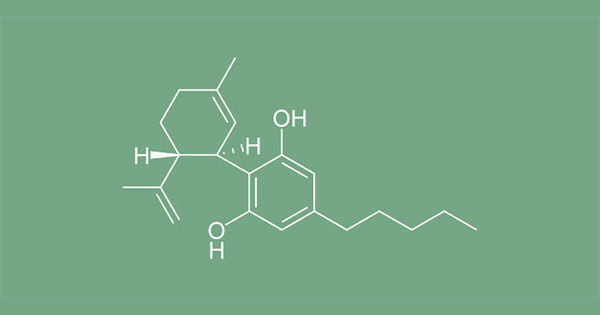
Discovered in 1964 by researchers Yehiel Gaoni and Raphael Mechoulam, cannabigerol (CBG) has long been overshadowed by CBD and THC. Yet it occupies a unique place in the plant: it's from CBGA, its acid form, that almost all other cannabinoids are synthesized. Without CBG, there's no CBD, no THC. That's why it's sometimes called the «mother» of cannabinoids.
Present in low concentrations in most cannabis varieties (rarely more than 1 to 2%), CBG is non-psychotropic and produces no intoxicating effects. It interacts directly with the CB1 and CB2 receptors of the endocannabinoid system, giving it a pharmacological profile distinct from CBD and a therapeutic potential that is increasingly attracting the attention of scientific research: glaucoma, inflammatory bowel disease, bacterial resistance, appetite, neuroprotection.
CBG from hemp plants is legal in France and most other European countries, including for cosmetic use.
What is CBG?
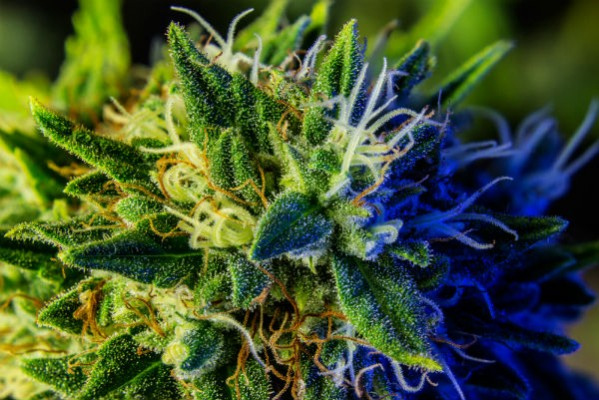
The cannabigerol or CBG is a non-psychotropic, psychoactive cannabinoid generally found in low-THC varieties. It is even abundant in most varieties of hemp, usually intended for processing in the textile or construction industries.
CBG is formed from the decarboxylation of CBGAa, which activates the cannabinoid.
How is CBG made?
CBG is derived from young cannabis plants, which contain higher levels of CBG than fully-grown plants.
Some cannabis strains, such as White CBG, Super Glue CBG and Jack Frost CBG, also have a higher CBG content than others. These strains are specifically bred to produce larger quantities of CBG.
CBD and THC both begin as CBGA, an acid form of CBG. This is why young cannabis plants contain higher concentrations of CBG.
In fully developed plants with high THC and CBD concentrations, you'll find very low concentrations of CBG. This is because most of the CBG has already been converted to CBD and THC as the plant develops.
Because of the difficulty of obtaining CBG, cannabis growers have experimented with crossbreeding to help cannabis plants produce more CBG.
What do we know about CBG?
Given the way CBG interacts with the brain's endocannabinoid receptors, it is thought to neutralize the paranoia associated with certain varieties of cannabis that are very high in THC in certain patients.
CBG is said to act as a buffer, enabling patients to take their treatment without psychological side effects. CBG also appears to mimic the CBD in its fight against inflammation and the reduction of anxiety and muscle tension.
CBG interacts with the body's endocannabinoid system by interacting with CB1 and CB2 receptors and stimulating a response. These receptors regulate physiological processes such as mood, pain response and appetite. Recent preclinical research has indicated that CBG has a stronger affinity for the CB2 receptor. CBG appears to interact with the endocannabinoid system in several, possibly therapeutic, ways that are not yet fully understood. CBG appears to interact with the body's endocannabinoid receptors differently from THC or CBD, producing unique physiological effects.
While the main cannabinoids THC and CBD are well known, CBG is less so. CBG shares certain similarities with CBD: it appears to be anti-inflammatory and anti-bacterial. However, CBG also possesses a unique set of properties, offering potential therapeutic benefits such as the treatment of inflammatory bowel disease and glaucoma in animal tests.
How does the CBG work?
CBG is processed by the body's endocannabinoid system. The endocannabinoid system (SEC) is made up of molecules and receptors in our body that are responsible for maintaining our body in an optimal state, regardless of what's happening in our external environment.
In our bodies, CBG mimics endocannabinoids, the natural compounds our bodies produce.
Cannabinoid receptors in the body
Our bodies contain two types of cannabinoid receptors: CB1 and CB2. CB1 receptors are found in the nervous system and brain, while CB2 receptors are located in the immune system and other parts of the body.
CBG acts by binding to these two receptors, where it is thought to enhance the function of anandamide, a neurotransmitter which plays a role in increasing pleasure and motivation, regulating appetite and sleep, and relieving pain. Unlike THC, CBG has no psychotropic effects and therefore does not induce euphoria.
What's the CBG for?
The human body's endocannabinoid system serves to maintain the body in a state of homeostasis, i.e. the balance of key vital functions. For example, in the event of injury, ECS helps regulate the immune response to limit inflammation.
CBG has been shown to act on very specific areas, with promising results for :
- treat glaucoma by reducing intraocular pressure. CBG is a powerful vasodilator and has neuroprotective effects.
- In experiments on mice, CBG was shown to be effective in reduce inflammation characteristic of inflammatory bowel disease
- CBG shows promise in the fight against cancer. In one study, CBG inhibited cancer cell growth in mice, slowing the growth of colon cancer. CBG inhibited tumors and chemically-induced colon carcinogenesis, demonstrating a very interesting possibility for curing colorectal cancer.
- In a study that examined the effects of five different cannabinoids on bladder contractions, CBG was the most effective at inhibit muscle contractions for bladder dysfunction disorders
- European research shows that CBG is an effective antibacterial agent, particularly against antibiotic-resistant superbugs
Because it is non-psychotropic, CBG has a wide range of promising potential applications not only for the problems mentioned above, but also as an analgesic, for psoriasis or as an antidepressant.
CBG and the entourage effect
All cannabinoids have their own pharmacological activity. However, when cannabinoids are combined, as in whole plant extracts, direct or indirect interactions can occur, altering the overall clinical effect. This interaction is known as the entourage effect. It's important to note that some, but not all, cannabis phytocompounds can act synergistically. The overall effect on the organism depends on the concentrations of the compounds and the state of health of the organism.
One of the reported benefits of the entourage effect is that the presence of other compounds such as CBD and CBG can help «tame» the intoxicating effects of THC, potentially enhancing its therapeutic capabilities. For example, test-tube research on leukemia has suggested that anti-cancer activity is enhanced when CBG is combined with other cannabinoids. Future research may reveal more about the specific interactions of CBG with other phytocannabinoids.
Potential medical uses
After its discovery in 1964, research into CBG progressed at a relatively slow pace due to its low concentration in most cannabis plants. In recent years, however, a multitude of studies have begun to uncover its pharmacological properties and potential medical uses.
Neuroprotective
Both inflammation and oxidative stress contribute to neurodegeneration, which is linked to diseases such as Alzheimer's. According to a test-tube study published in 2018 in the 'International Journal of Molecular Science», CBD may protect against both neuroinflammation and oxidative stress, which could help prevent cell loss.
Anti-inflammatory
Like many of its cannabinoid cousins, CBG has potential anti-inflammatory properties. Inflammatory bowel disease, which refers to disorders associated with chronic inflammation of the digestive tract, could benefit from treatment with CBG. A 2013 preclinical study in mice revealed that CBG reduced intestinal inflammation , nitric oxide production (which is generated at high levels in certain types of inflammation) and oxidative stress in intestinal cells. Further research on mice has demonstrated that CBG can help treat inflammation or suppress immune responses in diseases characterized by inflammatory or autoimmune components.
Anti-tumor
CBG also has tumor-inhibiting properties. A 2014 study published in «Carcinogenesis» tested the effects of CBG in a mouse model of colon cancer. It was found that CBG promoted cancer cell death and inhibited tumor growth, thus hindering the progression of colon cancer. Clinical research will provide a more meaningful indication of whether these results can be translated into cancer treatment in humans.
Appetite stimulant
People with AIDS or cancer often suffer from anorexia, i.e. lack of appetite, and cachexia, i.e. weakness or emaciation of the body. CBG represents a non-psychoactive alternative to THC that can stimulate appetite. A 2017 study published in «Behavioral Pharmacology» revealed that purified CBG functions as an appetite stimulant in rats, increasing the number of meals consumed, as well as the cumulative size of meals. CBG incorporated into a botanical drug substance appeared to work even more effectively than CBG in isolate form.
Antiseptic and antibacterial
MRSA, or methicillin-resistant Staphylococcus aureus, is a superbug capable of causing infections that are very difficult to treat in humans. CBG (along with CBD, CBC, THC and CBN) possesses antibacterial and antiseptic qualities that have shown promise in the treatment of MRSA. A 2008 study published in the Journal of Natural Products revealed that CBG exhibited highly potent activity against a strain of MRSA. However, its mechanism of action remains elusive.
Glaucoma
Glaucoma is one of the world's leading causes of blindness. CBG has been shown to help reduce intraocular pressure, which accounts for most of the damage caused by glaucoma. In a study published in 2009 in the Journal of Ocular Pharmacology and Therapeutics, both CBG and THC were found to help reduce eye pressure. The study also revealed that, unlike THC, CBG did not affect certain phases of sleep.
Cannabis varieties with high CBG content
Cannabis cultivars with a high CBG content are known as Type IV cannabis. If you're not familiar with the other types of cannabis, you'll know that Type I is THC-dominant, Type II is mixed CBD/THC and Type III is CBD-dominant. CBG-dominant hemp is also found in Europe, notably in France. Industrial hemp tends to have higher CBG concentrations than THC-rich cultivars.
One of the first commercially available CBG-dominant cultivars is Stem Cell. Stem Cell grows vigorously and produces masses of large flowers. Another popular cultivar producing up to 20 % of CBG is White CBG. Panakeia is a newcomer to the field, specially developed for its high CBG content (18%). As CBG-rich cultivars become more common, we can expect CBG research to expand.
The promise of cannabinoids like CBG is so great that some seed banks are developing cannabis varieties with high CBG content.
One example is the TGA Genetics Subcool Seeds, from breeder Subcool, who created a THC and CBG-balanced strain, Mickey Kush, in an attempt to measure the effectiveness of CBG for various ailments.
Is CBG legal in France?
Like CBD, CBG is legal in France as long as it comes from industrial hemp varieties with a THC content not exceeding 0.3 %. This limit applies to the whole plant, in accordance with current European regulations.
In Europe, CBG enjoys a generally favorable status. It is authorized for use in cosmetics in the European Union, and is an ingredient in many creams, balms and oils sold legally. On the other hand, its status as a dietary supplement or wellness product remains more nuanced depending on the country: some member states accept it freely, while others apply restrictions linked to novel food or dietary supplement regulations.
In France, the sale of CBG-rich hemp flowers and leaves has long been subject to the same legal uncertainties as CBD. Since the January 2022 decree governing the sale of CBD, hemp-based products containing CBG have generally followed the same regulatory framework: legal for sale in the form of oils, cosmetics or infusions, provided the residual THC threshold is respected.
It's important to distinguish CBG derived from industrial hemp - which is legal - from CBG extracted from cannabis varieties with a high THC content, which would fall under narcotics legislation.
Current research shows CBG to be one of the most promising cannabinoids for therapeutic purposes. Its role as a precursor in cannabis biosynthesis, combined with its anti-inflammatory, antibacterial and neuroprotective properties, makes it a compound in its own right and not just a «cousin» of CBD.
Clinical studies on humans are still limited, but preclinical results are sufficiently encouraging for research to take an increasing interest. To keep abreast of the latest scientific and regulatory developments surrounding CBG, visit our dedicated news feed.







CBD is said to promote athletic recovery, without improving performance

294 cannabis clubs in Chile: a booming movement with uneven distribution

Chronic Sciatica: New York Approves First Clinical Trial of a THC-Based Medication

United States: The DEA is accelerating the integration of medical cannabis at the federal level

Florida is nearing one million patients using medical cannabis

Uruguay Revives Its Plan to Allow Tourists to Legally Access Cannabis

In Brazil, researchers are developing an innovative CBD eye drop

Autism: Medical Cannabis Is Linked to Reduced Anxiety

The $28 billion U.S. hemp market remains under threat

