Why does cannabis produce THC?
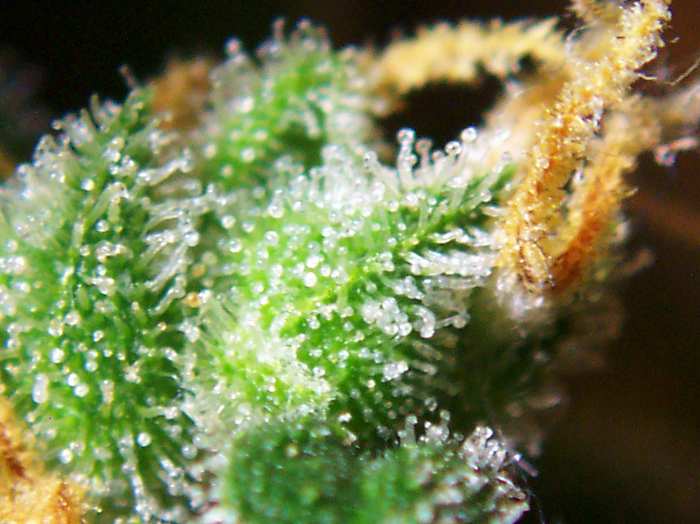
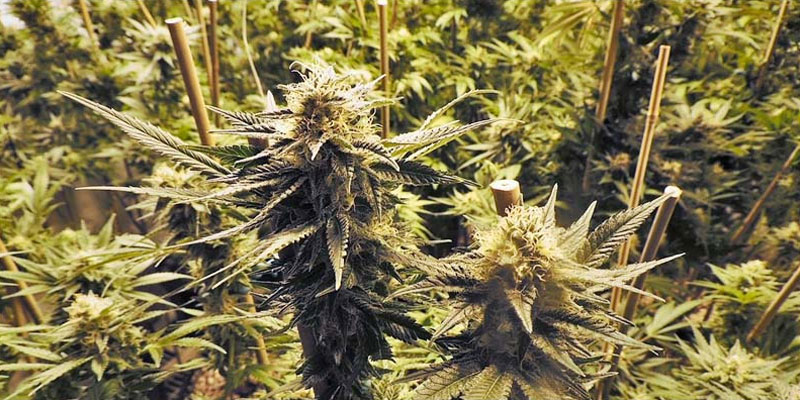
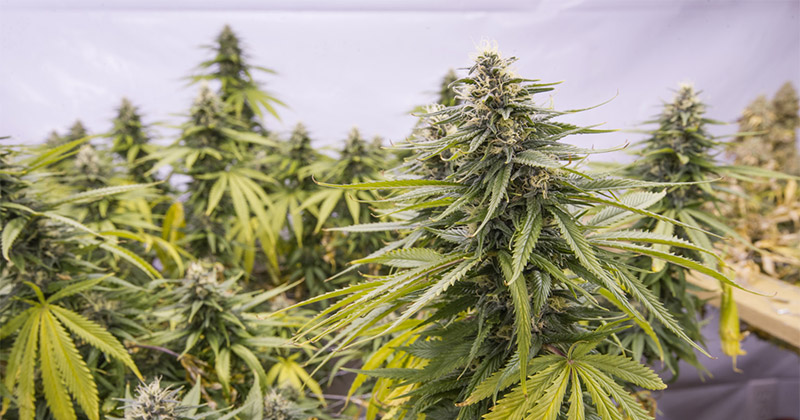
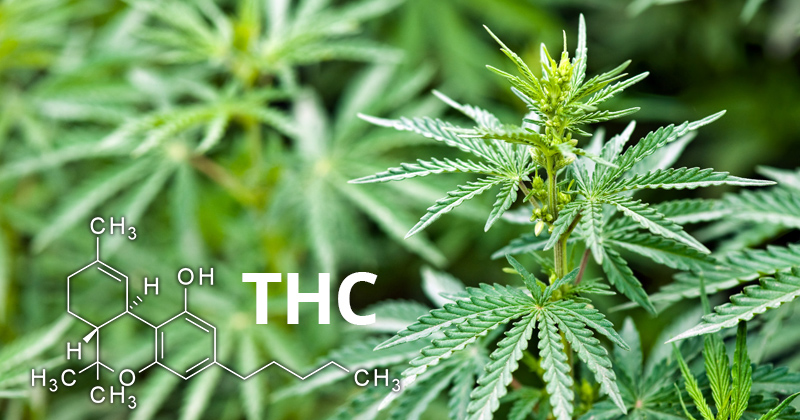
During flowering, trichomes form on cannabis flowers. These small glands act as a factory for phytocannabinoids. Phytocannabinoids are used by humans for medicinal purposes or simply for their psychoactive effects. Plants, on the other hand, use them in a totally different way.
Why does cannabis produce cannabinoids?
Even if the cannabis pollination is carried out by the wind, pollinating insects can also forage from male to female, forming the next generation of weed. Cannabinoids deliver scents that attract these insects. While pollinators are attracted to some cannabinoids, others concentrate on repelling pests. These make the plant indigestible to herbivorous predators.
They also act as natural fungicides and antibiotics to keep the plant healthy. For Professor Mechoulam, who first isolated THC Plants have no immune system. As a result, they survive by creating special chemical combinations«.
THCA: anti-predator shield or sunscreen?
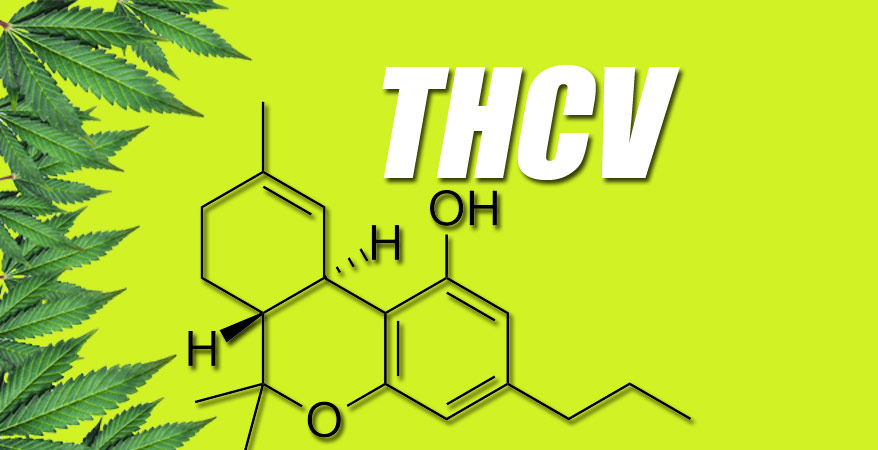
THC is only obtained after an intensive decarboxylation. The plant originally contains THCA.
A study conducted by the University of Maryland in 1986 sought to understand the development of cannabinoids as a function of exposure to ultraviolet light. Scientists discovered that plants exposed to strong ultraviolet rays developed higher THCA levels than those not exposed. THCA acts as a shield against ultraviolet rays, protecting the precious flower from damage caused by excessive exposure. UV-treated plants showed no increase in the concentration levels of other cannabinoids. The study even points out that ultraviolet light has no effect on plant growth, but does promote the development of THC in the flowers.
For a long time, THC was thought to serve only as a repellent against predators. However, cannabis botanist and horticulturist Robert C Clarke has one reservation to make: «The high concentration of THCA does not protect plants from pests». The hypothesis therefore leans more towards natural protection against the sun.





Medical Cannabis in Germany: THC Prices Vary by a Factor of 12

France already has 3,000 cannabis retail outlets. None of them are legal.

Morocco's exports of legal cannabis have expanded to 15 countries

Aurora Cannabis Doubles Its Production Capacity in Germany

Tilray is accelerating its operations in Europe thanks to a license in Portugal

Boston will host the 10th annual State of the Cannabis Industry Conference on October 26

A DEA report confirms that there are no fatal cannabis overdoses

A British patient is challenging the NHS's refusal to reimburse medical cannabis

October 2026 CBD Highlights: 10 Strains and Hash to Discover from 5 French Producers

