10,000 cannabis studies under the microscope


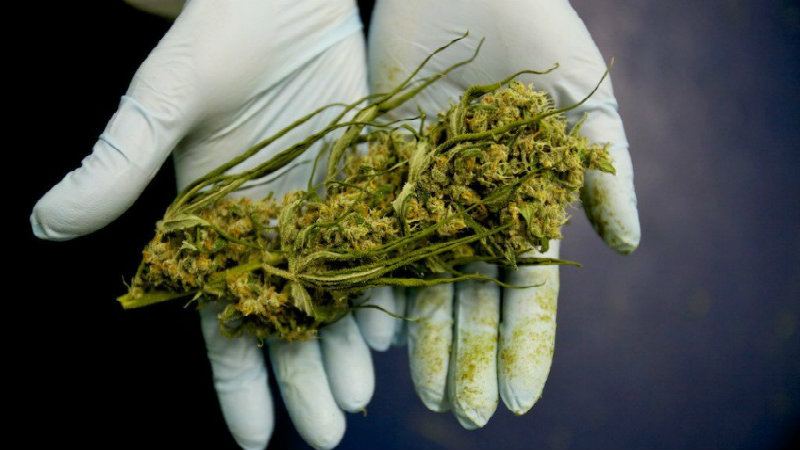
This Thursday, January 12, 17 American researchers publish a balance sheet of studies carried out on cannabis in the USA since 1999. The 17 scientists compile the truths, the unanswered questions and explain why scientific information on cannabis is so scarce.
We don't know everything
Apart from THC and CBD, the roles of other cannabinoids are only partially understood. At present, researchers from all over the world are seeking to understand the role of the other cannabinoids. endocannabinoid system. By understanding this system, which is present in all mammals, humans could develop drugs that would alter the way it works, perhaps eliminating the need for cannabinoids derived from the plant.
Clinical studies on cannabis medication are extremely rare, so we rely, researchers and journalists alike, on subjective evidence such as testimonials, case improvements or behavioral changes. Steven Kinsey describes a lack of clinical trials and insufficient patient panels on the clinical trials that do take place.
The authors recommend future research on drug combinations. This combination of cannabis (in small quantities) and traditional medicines could combat chronic pain more effectively than each substance on its own. The researchers point out that no such studies have yet been conducted. Finally, the authors indirectly call for a reclassification of cannabis. At present, scientific teams have to deal with administrative pressures from their states and the federal government, which discourages many.
Validated medical uses
This compilation of studies has validated or invalidated the efficacy of cannabis in certain pathologies. Medical cannabis or its compounds are said to be effective against post-chemotherapy nausea and vomiting, in the treatment of chronic pain in adults, and in certain cases of multiple sclerosis.
Cannabis applications to check
Here are the major points that researchers will have to elucidate in the years to come: the links between cannabis and lung health. The links between cannabis and schizophrenia, bipolarity, social exclusion, depression and suicide. Links between cannabis and social success. If studies already exist, the democratization of weed will make it possible to research large panels of smokers. With all that American consumers are throwing at each other, we'll no doubt soon know whether cannabis is a real source of these symptoms.
Cannabis' efficacy neither verified nor refuted
Here are a few cannabis applications with mixed results: incidence of cancer, incidence of epilepsy, incidence of asthma (good or bad), incidence of Parkinson's and Alzheimer's patients.
We're still in the early days of cannabis research, but who 10 years ago was hearing about the therapeutic use of cannabis in France? This use has changed the perception of the plant in the United States. Perhaps it will do so here too.









Germany: Pharmacists Propose a Pilot Program to Sell Recreational Cannabis in Pharmacies

France Is More Reluctant to Legalize Cannabis Than the EU Average, According to a New EUDA Survey

Scientists Create Cannabinoid-Free Hemp

MediPharm is preparing to launch its cannabis inhaler in Europe

Sensi Seeds and High Times are teaming up to launch five new cannabis strains

Brains Bioceutical is aiming for the Nasdaq with a valuation of $750 million

CBD in French Polynesia: Sublingual Oils Soon to Be Available Over the Counter

Cannabis legalization in Mexico returns to the Senate after five years of political deadlock

Massachusetts Gives the Green Light to Drive-Thru Cannabis Sales

Finland Wants to Legalize Cannabis Based on the German Model
-
 Cannabis in Quebec4 weeks ago
Cannabis: What France Could Learn from Quebec, Eight Years After Legalization
-
Cannabis in New Zealand4 weeks ago
Chronic Pain: New Zealand Is Testing Cannabis to Improve Sleep
-
Cannabis in France4 weeks ago
Dr. Pascal Douek, a tireless advocate for medical cannabis in France, has died
-
Cannabis in France4 weeks ago
Medical cannabis: The Greens introduce two amendments to accelerate its widespread adoption
-
Studies on cannabis4 weeks ago
More THC, barely any additional effects: A new study challenges common assumptions about the potency of cannabis
-
Cannabis in Canada4 weeks ago
A Canadian study reveals the pleasant psychotropic effects of high-dose CBD
-
Cannabis in Argentina4 weeks ago
The Argentine province of Chubut is creating its own framework for medical cannabis
-
Cannabis in France3 weeks ago
Medical Cannabis: Patients Issue a Formal Notice to the Government to Break the Deadlock















You must be logged in to post a comment Login