Does cannabis affect fertility?

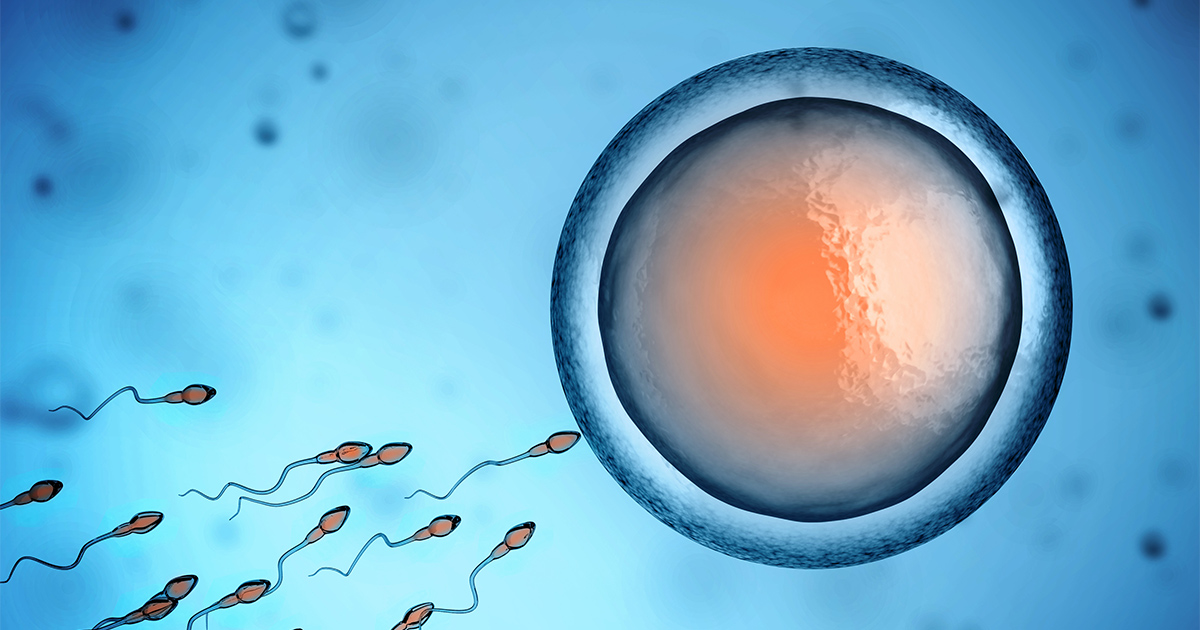
The effects of cannabis on fertility is a hot topic. The good news is that cannabis causes no irreversible damage to the ability to conceive. But the bad news? If you're having trouble getting pregnant, cannabis doesn't make design any easier.
Male fertility
If it were impossible to conceive a child after smoking cannabis, Bob Marley wouldn't have had (at least) 11 children. However, the latest research recognizes that cannabis can affect your sperm.
Testosterone
There's a lot of debate about the impact of cannabis on testosterone levels. When deciding to start a family, testosterone is something to be taken into account. This hormone plays a major role in sperm development. Low testosterone levels can result in low sperm counts, making conception more difficult.
In a editorial published in 1981, The New York Times reports on a study describing a two-phase effect of cannabis on men. In the first, cannabis increases testosterone and other sex hormones. During the second, it causes a sudden drop in testosterone and sex hormones well beyond the normal range.
Using animal models, Susan Dalterio of the University of Texas found that high doses of THC caused a rapid increase to 6 times normal testosterone levels during the first 20 minutes after smoking. At low doses, the increase in testosterone lasts an hour before levels begin to fall.
The drop in testosterone observed in Dalterio's study is corroborated by research in 1974 and in 1984. These old reports show that THC, and possibly other cannabinoids, In addition, the production of specific hormones (luteinizing and follicle-stimulating hormones), all critical to the development of testosterone, is influenced.
Things get complicated when the’American Journal of Epidemiology published last year a study which shows that cannabis use is associated with higher testosterone levels and lower sperm counts. The study examined 1215 Danes aged 18 to 28, of whom 45% used cannabis. While testosterone levels were higher in cannabis users than in tobacco users, sperm counts were 29% lower in cannabis users.
As testosterone is a key hormone in sperm production, the sudden rises and falls seen in cannabis smokers could be the cause of lower sperm counts. Further studies are needed to fully understand the impact of cannabinoids on reproductive functions.
Sperm production
This is undoubtedly bad news for cannabis smokers under the age of 30. According to a study published in 2014 in the magazine Human Reproduction, smoking cannabis regularly changes the size and shape of sperm cells. Researchers at the University of Sheffield found that the chances of producing abnormally shaped sperm increased in young men who used cannabis. The presence of abnormal sperm can make reproduction more difficult.
The study is one of the largest to date in understanding the impact of lifestyle on fertility. 2249 men from 14 UK fertility clinics completed a lifestyle questionnaire. Of the participants, 318 men had samples containing less than 4% of normal sperm.
When the researchers compared the results of the corresponding questionnaires with the abnormal samples, they found some interesting things. Samples from men who had ejaculated during the summer were twice as likely to have low normal sperm counts. And if the man in question was under 30, he had often used cannabis in the 3 months prior to having his little soldiers tested.
The study's lead author told the journal The independent :
We showed that cannabis doubled the risk of men under 30 having poor sperm. This is a real effect, and it's never been shown before in this way.
The good news is that sperm is renewed every 74 days. If you're looking to procreate and can't right now, laying off the weed until your body generates new troops can help put the odds in your favor. Having your sperm tested at a clinic is also a good way to see how healthy your sperm is.
Female fertility
Female fertility is incredibly complex. It encompasses both the ability to become pregnant and the small miracle that unfolds every time another human being grows inside you. The biochemical processes that allow life to develop are incredible, and Cannabis can affect several aspects.
Ovulation
The long-term effects of cannabis on ovulation have yet to be established. Ovulation is triggered by a time-dependent increase in luteinizing hormone. A 2002 study published in the Journal of Pharmacology shows that cannabis lowers the level of luteinizing hormone secreted by the pituitary gland. The same effect has been observed in men.
One of the studies cited in the appendix tested the impact of THC on ovulation in monkeys. Luteinizing hormone levels fell from 50 to 80%. This caused ovulation to stop, meaning that the ovary failed to produce an egg.
Something intriguing happened after 3 or 4 months of testing, however. While the monkeys were still being treated with THC, ovulation and menstruation returned to normal. As THC tolerance increased, ovulation and menstruation resumed. A second study examining oral THC administration in rhesus macaques came to the same conclusions, and these monkeys had no difficulty conceiving while being treated.
Dr. Ricoardo Yazigi of the Shady Grove Fertility Center in Maryland had explained to Vice: «The risk of infertility was greater among women who had used cannabis during the year they were trying to get pregnant, than among those who had used it in the past, with no relationship between frequency/duration of use and effect.»
But he also added: «The effect of cannabis on ovulation was muted in women who used cannabis regularly compared with those who used it occasionally, perhaps because regular users are more tolerant to the effects of cannabis.»
Embryo implantation
A 2006 study published in the Journal for Clinical Investigation showed that frequent cannabis use was correlated with slower movement of the fertilized egg from the ovary to the uterus in mice.
Time is of the essence for a fertilized egg. Once the sperm has made its hole, the fertilized egg needs to implant quickly before it loses viability. Cannabis could delay this journey, and the barely-formed embryo would then not be able to implant in time and settle, a condition known as early miscarriage.
The failure of an embryo to implant in the right place also increases the risk of ectopic pregnancy. These pregnancies are often very painful and risky for the mother.
The endocannabinoid system and reproduction
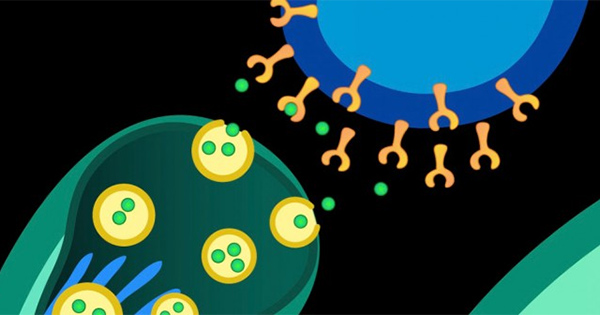
When cannabis is consumed, the plant's active compounds, known as cannabinoids, interact with a network of cellular receptors known as the endocannabinoid system. The endocannabinoid system regulates a wide variety of basic bodily functions and helps maintain homeostasis, the perfect balance of our organism constrained by the external environment.
Research has shown that the endocannabinoid system plays a vital role in the reproductive systems of both men and women. Endocannbinoids and cannabinoid receptors have been found in seminal fluid, as well as in the ovaries, fallopian tubes and placenta. Elements such as anandamide, the «natural THC» produced by the body, can induce ovulation when its levels are high. But to implant, an embryo needs low levels of anandamide.
The role of the endocannabinoid system in reproduction is quite complex. To create life, hormone and endocannabinoid levels need to be in the right quantities at the right times. Any dysregulation has the potential to jam the machine.
THC in the womb
Apparently, THC likes to linger in the fallopian tubes, which could damage spermatozoa. Indeed, anandamide could be critical in preparing the sperm to meet the egg. Newly ejaculated sperm cannot succeed without contact with female hormones. It would appear that anandamide is one of them.
A 2002 study showed that sperm contained CB1 receptors. Research has shown that in small quantities, anandamide ensures sperm viability. In high doses, anandamide prevents the sperm from fertilizing the egg. Cannabis use attaches high levels of THC to these CB1 receptors, acting in a similar way to high levels of anandamide.
Does cannabis make you sterile?
In a way. But not definitively. Cannabis use can complicate the process by reducing the quantity of viable sperm in men, and making it more difficult for women to become pregnant. In men, low sperm levels can exist for as long as they smoke. In women, on the other hand, cannabis tolerance seems to dissipate the initial effects of cannabis.
Weed seems to slow down the process, and quitting smoking before and during conception seems to put things back on track. The list of research studies we have identified is far from complete, but the conclusions are broadly along the same lines. Cannabis doesn't help you conceive!







Medical Cannabis in Germany: THC Prices Vary by a Factor of 12

France already has 3,000 cannabis retail outlets. None of them are legal.

Morocco's exports of legal cannabis have expanded to 15 countries

Aurora Cannabis Doubles Its Production Capacity in Germany

Tilray is accelerating its operations in Europe thanks to a license in Portugal

Boston will host the 10th annual State of the Cannabis Industry Conference on October 26

A DEA report confirms that there are no fatal cannabis overdoses

A British patient is challenging the NHS's refusal to reimburse medical cannabis

October 2026 CBD Highlights: 10 Strains and Hash to Discover from 5 French Producers

CBD in France: Traceability, Retail Stores, THC and Driving… What the New Bill Proposes
-
 Business2 weeks ago
The legal cannabis market in New York exceeds 4 billion $ in revenue
-

 Cannabis in France3 weeks ago
Which countries legalized medical cannabis before France?
-
Business3 weeks ago
South Korea is preparing to begin local production of medical cannabis to meet rising demand
-
Cannabis in Thailand3 weeks ago
From the boom in dispensaries to a purely medical approach: Thailand is revising its cannabis policy
-
Cannabis and driving3 weeks ago
Medical Cannabis and Driving: New South Wales Ends Automatic Penalties for THC
-
Cannabis in Argentina4 weeks ago
Argentina Opens Its Market to Hemp Flowers Containing 1% of THC
-
Autism3 weeks ago
Autism and Cannabis: Results from the First Placebo-Controlled Trial of NTI164
-
Cannabis in France2 weeks ago
France’s Drug Policy Chief Defends Cannabis Prohibition... and Runs Into the Facts

















You must be logged in to post a comment Login