
What is the boiling point of THC?
The boiling point of THC (tetrahydrocannabinol), the main psychoactive compound in cannabis, has been the subject of debate for decades. Here, you’ll learn why the boiling point of cannabinoids is important.
Why are the boiling points of cannabinoids important?
Heating cannabinoids such as THC activates their potential therapeutic and psychoactive properties. The heating process (called decarboxylation) leads to the formation of new compounds, which produce varying flavors and effects. Extremely low temperatures will cause the THC to evaporate, and nothing will be activated, while excessively high temperatures burn the cannabinoid and may release harmful byproducts. The same principle applies to cannabinoids other than THC, such as CBD.
Some cannabis users may experiment with different THC boiling points depending on the type of high they want to experience. The general rule is that, within a certain range, the higher the boiling point, the more THC is likely to be present.
What is the boiling point of THC?
While some consider a wide range of temperatures, it is generally accepted that cannabinoids evaporate between 145 and 200°C. The boiling point of THC is 157°C, at which point it changes from a solid to a gas.
Why You Should Consume THC at the Right Temperature
Each method of consuming cannabis has a different ideal temperature. The following guidelines can help you find the right temperature for THC in the form of concentrates, flowers, and edibles. If you’re primarily interested in CBD or other compounds, a different temperature might be more suitable:
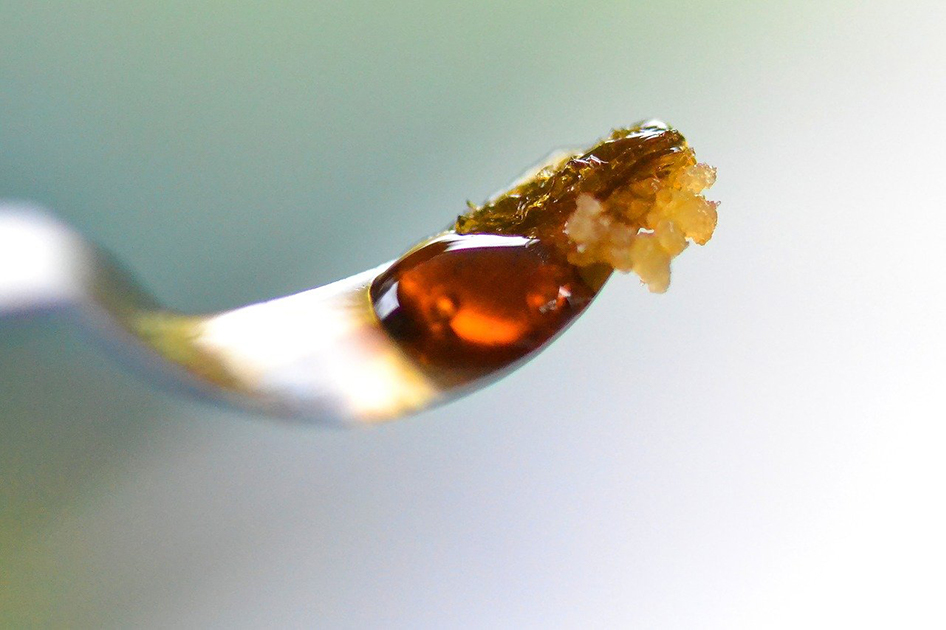
- Concentrates. Use an electronic dab to calibrate temperatures precisely and accurately. The vaporizers Ovens with adjustable temperatures are another option. And if you've been following along so far, you can set it between 155 and 160°C.
- The Flower. Burning the flower offers little control over the temperature. To achieve the perfect temperature, use a vaporizer with temperature controls. The ideal temperature to get the most out of the flower is between 190 and 210°C, though you can start at a lower temperature to capture the flower’s full spectrum.
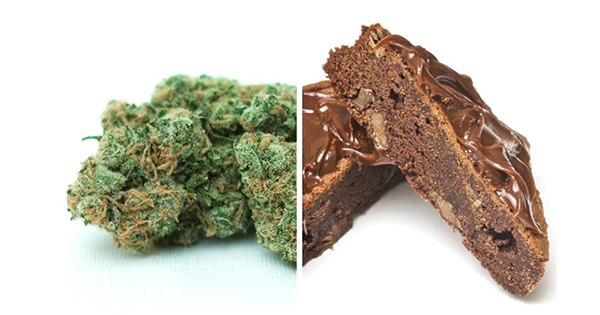
- Edibles. There are a variety of methods for decarboxylating flowers and using them in edibles. You can sauté them in oil or butter, then use it in baked goods or even spread it on toast. Different production methods require different temperatures, but the range is between 100 and 110°C.





A new tax of 0.5% could disrupt the hemp industry in Canada

Medical Cannabis and Driving: New South Wales Ends Automatic Penalties for THC

China's Yongji Health Takes Control of Tasmanian Botanics

Autism and Cannabis: Results from the First Placebo-Controlled Trial of NTI164

Which countries legalized medical cannabis before France?

From the boom in dispensaries to a purely medical approach: Thailand is revising its cannabis policy

South Korea is preparing to begin local production of medical cannabis to meet rising demand

In the United States, cannabis use among high school students has reached an all-time low

Medical cannabis use surges by 64 % in Denmark

