

Cannabis extractions and concentrates: the complete guide
Cannabis extracts, also known as concentrates, are now one of the most advanced forms of cannabis consumption. By isolating cannabinoids and terpenes from the plant material, they yield products of a purity and potency that cannot be achieved with raw flower. This guide covers all the methods and products available on the market, from the most accessible to the most technical.
What is cannabis extraction?
Extraction involves separating the active compounds from the plant, primarily the cannabinoids (THC, CBD, CBG) and the terpenes, from the plant material from which they are derived. Trichomes—the resinous glands that cover the flowers and adjacent leaves—contain most of these molecules. The extraction process aims to concentrate them by removing chlorophyll, plant waxes, and cellulose.
Humans have been extracting plant substances for millennia—using infusions, macerations, and decoctions—to produce medicines, perfumes, and flavorings. In the world of cannabis, the first concentrated forms (hashish, charas, Marrakech butter) date back several centuries. Modern solvent-based techniques, on the other hand, emerged in the 1980s and 1990s and have become increasingly sophisticated since they were legalized in the United States.
There are two main types of extraction, which differ in the method used to separate the trichomes from the plant material.
Safety Measures During an Extraction
Any cannabis extraction requires taking precautions appropriate to the method used. Mechanical extractions (kief, bubble hash, rosin) pose few risks: a hot hydraulic press simply requires gloves and careful handling. Solvent extractions, on the other hand, involve flammable or toxic chemicals that require strict conditions.
Gaseous solvent extractions (butane, propane, DME)
Butane and propane are the most commonly used gaseous solvents in cannabis extraction. In recent years, DME (dimethyl ether) has emerged as an alternative accessible to the general public. Already widely
Used in the pharmaceutical and food industries (it is found in many aerosols), DME has the advantage of being less toxic than residual butane and of evaporating more quickly at room temperature. However, it remains flammable and is subject to the same safety regulations as butane and propane.
These three gaseous solvents are highly flammable. During open-circuit extraction, the gas immediately expands to atmospheric pressure and creates an explosive atmosphere if the area is not adequately ventilated. The basic rules to follow are:
- Always work outdoors, in an open, well-ventilated area, away from any open flames or sources of sparks.
- No flames from the start to the end of the run : no lighter, no stove, no cigarette.
- Wear cryogenic gloves : Liquid butane causes frostbite upon contact with the skin and can stick to metal.
- Completely drain the concentrate Vacuum-seal before consumption; BHO that has not been sufficiently purged contains toxic butane residues.
- Have the final product analyzed by an accredited laboratory, if possible, particularly to verify the absence of solvent residues.
Ethanol Extractions
Ethanol is flammable but poses less of an explosion risk than butane or propane. It must nevertheless be handled away from any open flame. Isopropyl alcohol is toxic if swallowed. Use it only for external applications. For any extraction intended for consumption, use only certified food-grade alcohol.
CO2 Extraction
L‘Supercritical CO2 extraction’ It is the safest industrial method from a chemical standpoint: no risk of explosion, no toxic residue. However, the machines operate at very high pressure (up to 300 bar) and require rigorous training and maintenance. This method is not suitable for amateurs.
General Rule
Knowledge and technical proficiency are the most important safety measures. A session conducted under the right conditions (appropriate equipment, well-ventilated space, procedures followed) is infinitely safer than an improvised extraction. In markets where the production of concentrates is legal, professional extractors work in dedicated rooms equipped with gas detectors, forced ventilation, and certified equipment.
Solvent Extraction
Solvent extraction uses a chemical (butane, propane, CO2, ethanol) to dissolve cannabinoids and terpenes. Once the extraction is complete, the solvent is removed through vacuum evaporation or controlled heating. The result is a high-purity concentrate, the consistency of which varies depending on the process: oily, waxy, glassy, or gritty.
Essential safety measures: Gaseous solvents (butane, propane) are highly flammable. Any open-system extraction must be performed outdoors, away from any open flames, while wearing appropriate gloves. Removing residual solvent is a critical step. An insufficiently purified concentrate contains toxic residues. In regulated markets, certified laboratories conduct solvent residue analyses before any product is sold.
BHO (Butane Hash Oil)
The BHO is the most common solvent extraction method. Butane is passed through the plant material to extract the cannabinoids. The crude product is then purged in a vacuum chamber. Depending on the temperature and agitation parameters applied after extraction, BHO can take on very different consistencies: shatter (glassy and brittle), wax (waxy and opaque), budder (creamy like peanut butter) or crumble (crumbly and dry).
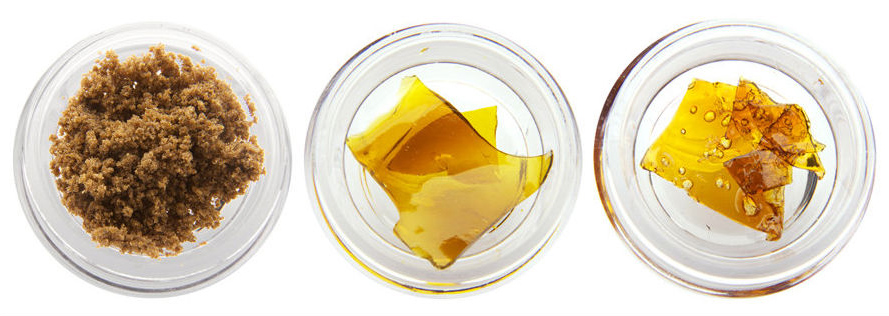
Crumble and Shatters
PHO (Propane Hash Oil)
The PHO It works on the same principle as BHO, but uses propane as the solvent. Its lower boiling point helps preserve more terpenes during extraction. It generally produces a budder that is richer in aromas than its BHO counterpart.
EHO (Ethanol Hash Oil)
L’EHO uses ethanol (food-grade or isopropyl alcohol) as a solvent. Alcohol effectively extracts cannabinoids but also some of the chlorophyll if the plant is left to soak for too long, which is why cold extractions (QWET, Quick Wash Ethanol) are preferred, as they minimize this effect. EHO is the basis for most cannabis tinctures.
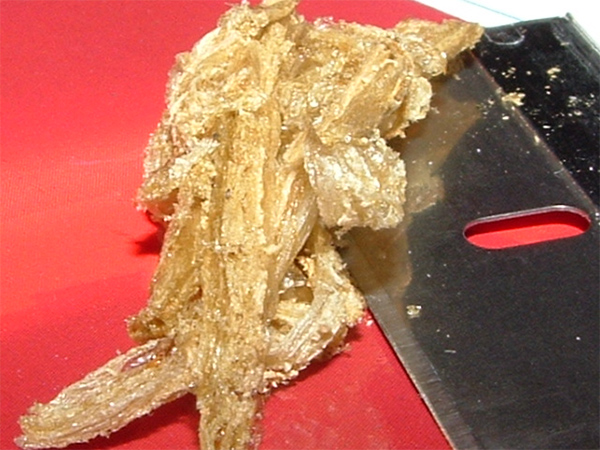
Iso Hash
CO2 Oil
Supercritical CO2 extraction uses carbon dioxide maintained at specific temperature and pressure conditions, at the boundary between the liquid and gaseous states. This method requires expensive equipment but produces a very pure extract, free of toxic solvent residues. It is widely used in the medical cannabis industry and for vaporizer cartridges.
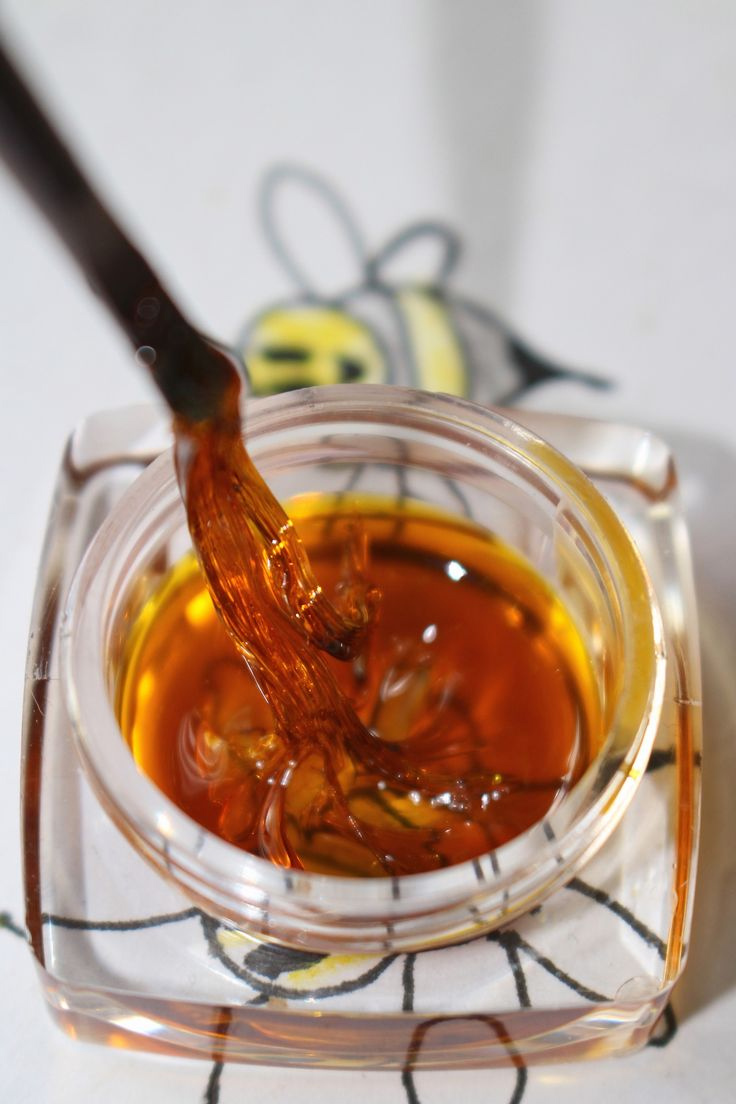
An example of cannabis oil
Distillate
The distillate is the most refined cannabis extract available. It is obtained through vacuum distillation of a crude extract, which allows for the near-pure isolation of a specific cannabinoid, the THC or the CBD. The distillates have concentrations ranging from 90 to 99 %, but contain no terpenes or other minor cannabinoids. They are already decarboxylated and active at 100 %; no further decarboxylation is necessary.
Live Resin
The live resin is extracted from fresh plants that are frozen immediately after harvest, without drying or curing prior to extraction. This process preserves the plant’s full terpene profile—aromas that cannot be found in extracts derived from dried plants. It is one of the most prized extraction methods among connoisseurs.
Sauce, Terp Sauce, and THCA Diamonds
The sauce and the terp sauce are liquid extracts that are extremely rich in terpenes, obtained through a slow, low-temperature separation process. They are often accompanied by THCA diamonds, pure THCA crystals that form naturally in the sauce during the curing process. The combination of diamonds and terp sauce represents the pinnacle of cannabinoid and terpene preservation.
Full-Spectrum and HTFSE Extracts
The full-spectrum extracts and HTFSE (High Terpene Full Spectrum Extract) are designed to faithfully reproduce the plant’s complete chemical profile: major cannabinoids, minor cannabinoids, and terpenes in their natural proportions. They take full advantage of the entourage effect, unlike isolates and distillates.
Rick Simpson Oil (RSO)
The RSO is a thick, dark oil obtained by alcohol extraction of the whole plant. Developed in 2003 by Rick Simpson, it contains all of the plant’s cannabinoids and chlorophyll. It is a raw, unrefined extract. It is used for medical purposes, particularly for topical application or ingestion.
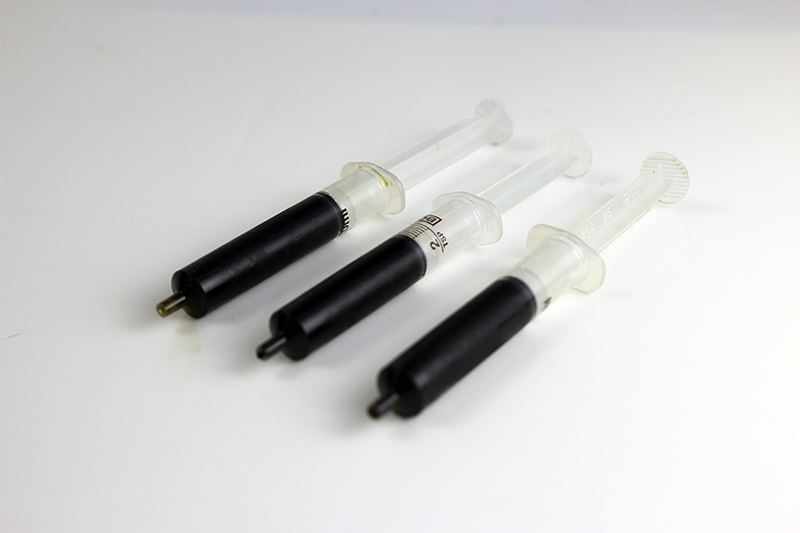
Rick Simpson Oil (RSO)
Solvent-free (mechanical) extractions
Solvent-free extraction methods separate trichomes from the plant using physical means: pressure, cold, friction, or sifting (often mistakenly referred to as filtration). They require no chemicals, making them accessible and popular for the purity of the resulting product. A detailed guide to these methods is available here: Solvent-Free Extraction – A Comprehensive Guide.
Kief
The kief is the simplest form of extraction. The dried trichomes are separated from the flower by sifting; the bottom compartment of 4-part grinders naturally collects a small amount with each use. Kief can be smoked directly, pressed into hashish, or used as a base for other concentrates.
Hashish
The hashish is one of the oldest forms of concentrate in the world. It is made by pressing kief into compact blocks. Its quality depends on the purity of the kief used and the pressing technique. Exceptional artisanal hashish such as the Charas or Malana Cream are among the most sought-after concentrates by connoisseurs.
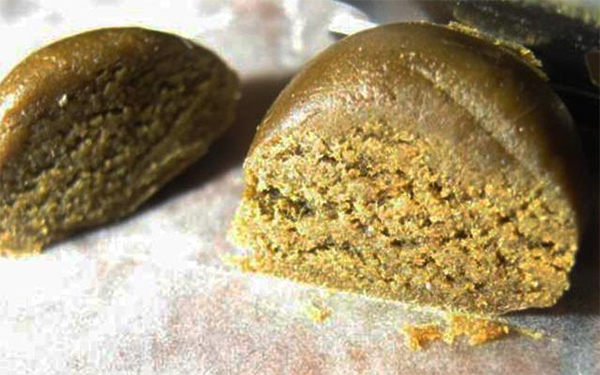
Hash
Dry Sift
The dry sift is a more sophisticated dry-sifting method than simply collecting kief. The plant material is passed through a series of sieves with progressively finer mesh sizes, allowing for the isolation of trichomes of increasing purity and fineness. High-quality dry sift can achieve a trichome purity of 70 to 90 %.
Bubble Hash
The bubble hash uses ice-cold water to weaken and detach the trichomes from the plant. The plant material is agitated in the ice-cold water, then filtered through a series of fine-mesh bags (bubble bags). The result is high-quality hashish, graded according to the purity and fineness of the collected trichomes.
Piattella Hash
The piattella is a traditional Italian artisanal form of hand-pressed hashish, rooted in Mediterranean tradition. It is distinguished by its soft texture and preserved terpene profile, achieved through manual processing at low temperatures.
Rosin
The rosin is produced by simultaneously applying heat and pressure to flower, kief, or bubble hash. You can make it at home using nothing more than a flat iron and parchment paper. Professional hydraulic presses with heated plates—there are different types of rosin presses – enable much higher yields and quality. Rosin is particularly valued for its purity: no solvents, no chemical residues.
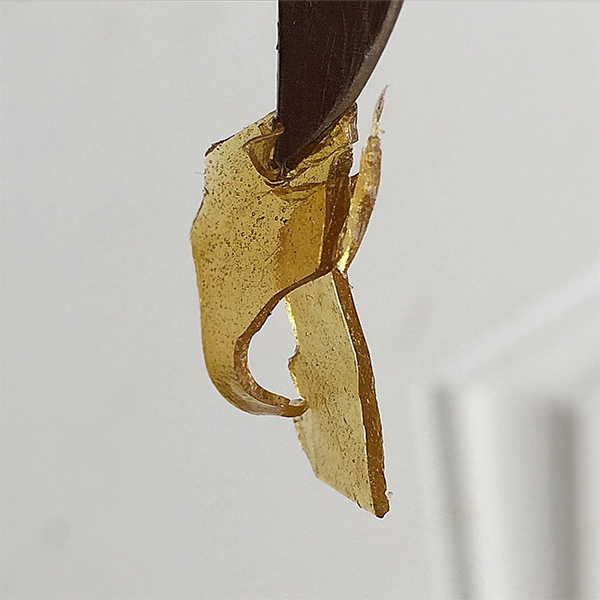
Rosin
Hydrodistillation and steam extraction
Hydrodistillation is one of the oldest plant extraction techniques, used since ancient Egypt to produce essential oils. The process involves using steam to extract the plant’s volatile compounds—primarily terpenes—and then condensing them and separating them from the water based on their difference in density.
In the cannabis world, hydrodistillation remains a niche method. It is not well suited for extracting cannabinoids, which are not very volatile and degrade at high temperatures. However, it does allow for the isolation of cannabis terpenes in the form of pure essential oil: a product used to flavor extracts, reformulate distillates that are low in terpenes, or produce isolated terpenes for cosmetic and food applications.
In the medical cannabis and high-end extracts industry, the terpenes isolated in this way are reintroduced into distillates to recreate an aromatic profile similar to that of the original plant. This is the principle behind so-called extracts botanical terpenes, as opposed to the cannabis-derived terpenes derived directly from the plant.
How do you choose the right concentrate?
The choice of a concentrate depends on three main criteria:
Relevant experience required. A consumer looking to preserve the plant’s aromatic profile as much as possible will opt for live resin, terp sauce, or high-quality rosin. A medical user seeking a precise dose without psychoactive effects will prefer a CBD distillate or a full-spectrum extract.
The consumption method. Solid concentrates (shatter, budder, wax, crumble) are designed for dabbing. Distillates and CO2 oils are used in vaporizer cartridges. Kief and hash are mixed with flower in a joint or pipe. Rosin can be consumed in all of these ways.
Purity and traceability. In legal markets, each concentrate comes with a certificate of analysis (COA) verifying cannabinoid levels and confirming the absence of solvent residues and contaminants. In the illicit market, these guarantees do not exist. This is the primary health risk associated with solvent-based concentrates.
Frequently asked questions
What is the difference between an extract and a concentrate?
The two terms are often used interchangeably. By convention, «extract» refers to products obtained through solvent extraction, while «concentrate» is a generic term covering all products with a high concentration of cannabinoids, including mechanical concentrates (kief, hash, rosin).
Is bubble hash stronger than traditional hashish?
Not necessarily stronger, but generally purer. High-quality (6-star) bubble hash can contain 60 to 80 % of THC, compared to 20 to 50 % in good-quality traditional hashish. The main difference is the extraction method, which is cleaner with bubble hash.
Is homemade rosin as good as lab-grade rosin?
Rosin produced with a hair straightener is usable, but the yield and quality are incomparable to those achieved with a professional hydraulic press that offers precise temperature control. The ideal temperature varies depending on the desired consistency: 60–75 °C for a terpene-rich rosin, 80–90 °C for a higher yield.
Can you cook with cannabis concentrates?
Yes. Distillate, RSO, and rosin are best suited for cooking because they mix easily with fats. Distillate and RSO are already decarboxylated, so they are immediately active. Rosin and BHO require prior decarboxylation if they are derived from THCA Not enabled.
What is the entourage effect, and which extract benefits most from it?
L’entourage effect is the synergy between cannabinoids and terpenes described by Dr. Russo (2011). Full-spectrum extracts, HTFSE, live resin, and terp sauce fully benefit from this synergy because they preserve the plant’s terpene profile. Distillates and isolates, on the other hand, lack this synergy.
Sources
- Russo, E.B. (2011). Taming THC: Potential Cannabis Synergy and Phytocannabinoid-Terpenoid Entourage Effects. British Journal of Pharmacology, 163(7), 1344–1364.
- Raber, J.C. et al. (2015). Understanding dabs: Concerns about contamination in cannabis concentrates and cannabinoid transfer during the act of dabbing. Journal of Toxicological Sciences, 40(6), 797–803.
- Vergara, D. et al. (2017). Compromised External Validity: Cannabis Research That Is Illegal at the Federal Level. Trends in Plant Science.
- Perrotin-Brunel, H. et al. (2011). Decarboxylation of Δ9-tetrahydrocannabinol. Journal of Molecular Structure, 987, 67–73.








Which countries legalized medical cannabis before France?

From the boom in dispensaries to a purely medical approach: Thailand is revising its cannabis policy

South Korea is preparing to begin local production of medical cannabis to meet rising demand

In the United States, cannabis use among high school students has reached an all-time low

Medical cannabis use surges by 64 % in Denmark

Canopy Growth Enters the U.K. Market with Four Canadian Strains

CBD: Full-Spectrum Extracts Under Threat in Greece

Medical Cannabis and Back Pain: Opioid Use Has Dropped by 90 % in 10 Years

Cannabis: Wisconsin Could Finally Legalize It in 2027

