
What is decarboxylation?
Have you ever wondered why cannabis has to be heated to have psychoactive effects? And why eating raw cannabis has no effect? The answer can be summed up in one word: decarboxylation.
Decarboxylation explained
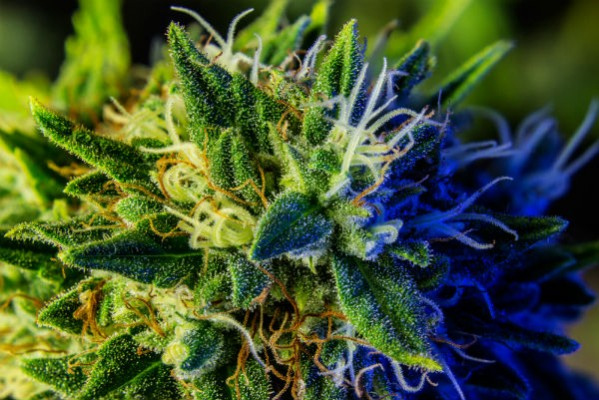
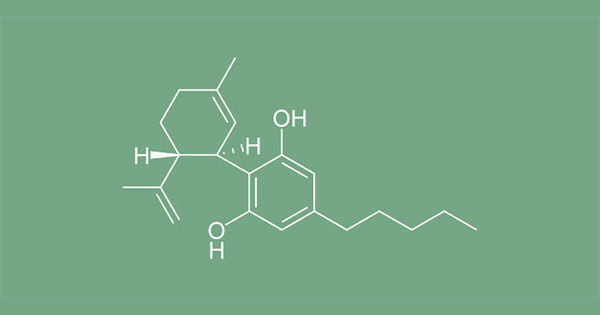
Freshly harvested cannabis contains almost no THC active ingredient. It mainly contains THCA (tetrahydrocannabinolic acid) - the acidic, non-psychoactive form of THC. It also contains CBDA rather than CBD.
Decarboxylation is the chemical reaction that removes a carboxyl group (-COOH) from these acidic molecules under the effect of heat, releasing CO₂ and producing the active cannabinoids: THCA → THC, CBDA → CBD.
Without decarboxylation, swallowing raw cannabis produces no psychoactive effects. On the other hand THCA itself has its own therapeutic properties (anti-inflammatory, anti-emetic, neuroprotective) which are preserved in raw cannabis juice or unheated tinctures.
What triggers decarboxylation
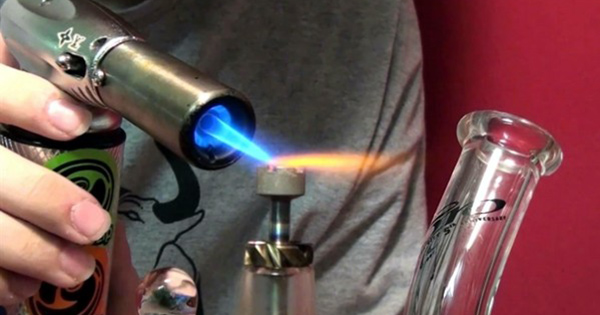
Instant heat (flame, vaporization): when you smoke or vape cannabis, heat decarboxylates THCA into THC in a fraction of a second. This is the fastest and most complete mode of decarboxylation.
Prolonged soft heat (oven): this is the method used to prepare edibles or cannabis butter. Temperature and duration are critical - too hot or too long, and the THC itself converts to CBN, a cannabinoid with sedative effects.
Natural drying A very partial decarboxylation takes place slowly during drying and curing. This is why a well-dried flower already contains a small fraction of active THC alongside the dominant THCA.
Involuntary heat (light, hot storage): an undesirable progressive decarboxylation that degrades cannabinoids and terpenes - which is why cannabis must be kept cool and dark.
At what temperature should you decarboxylate?
This is the point most often misunderstood. There is no single ideal temperature - it all depends on the objective.
| Objective | Temperature | Duration | Results |
|---|---|---|---|
| Preserving terpenes | 100-105°C | 45-60 min | Partial decarboxylation, aromas intact |
| Maximizing THC | 110-120°C | 30-45 min | Almost complete decarboxylation, slight loss of terpenes |
| Maximizing CBD | 120-130°C | 60-90 min | Optimized CBD (more heat-resistant than THC) |
| Avoid | >150°C | — | Degradation of THC to CBN, massive loss of terpenes |
Important note THC begins to convert into CBN as soon as around 70% of decarboxylation is reached. The longer or harder you heat after this threshold, the more sedative and less psychoactive the final product will be. This property is sometimes sought-after (nocturnal effects), often undesired.
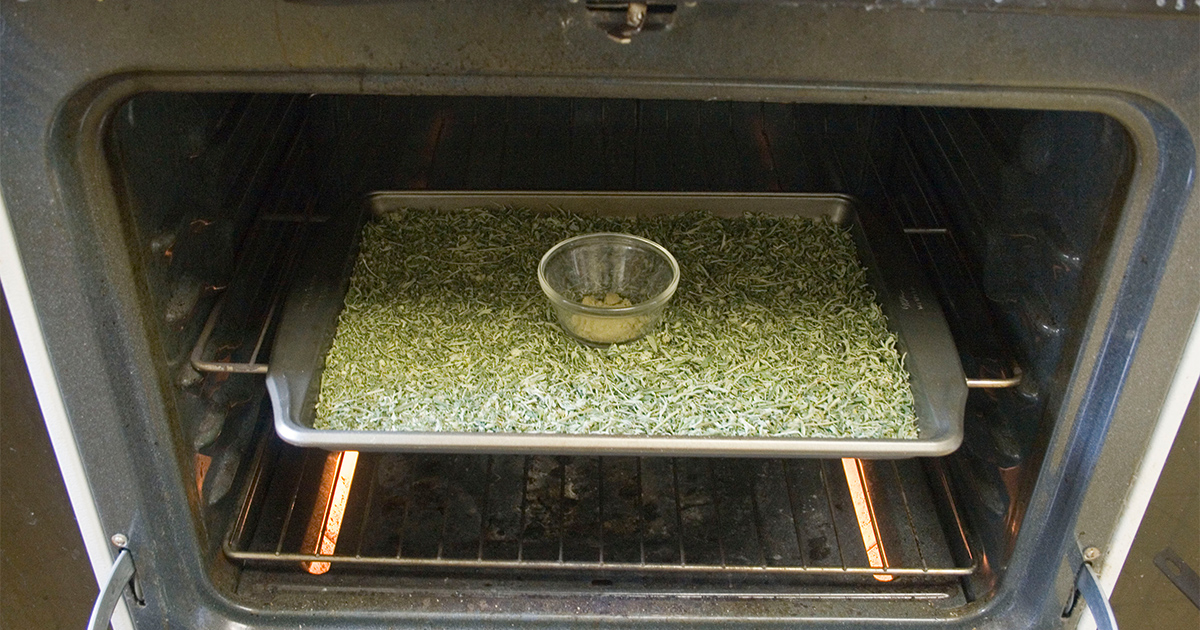
Oven decarboxylation protocol
- Preheat oven to 110°C
- Line a Pyrex dish with baking paper
- Break the flowers into small pieces by hand - no need to grind them finely (the cannabinoids are on the trichomes, not in the plant material).
- Spread in an even layer without overlapping
- First pass: 20 minutes at 110°C to remove residual moisture - flowers should become slightly golden and crumbly
- Leave to cool, crumble lightly by hand
- Cover dish with aluminum foil, sealing edges well (retains residual moisture and terpenes).
- Second pass: 45-60 min at 115°C to maximize THC, or 60-90 min for CBD
- Leave to cool without removing the foil
- Store in an airtight glass jar, protected from light.
Fresh vs. dried flowers Fresh flowers require a longer first pass (30-40 min instead of 20) to evacuate their extra moisture. The final result is equivalent, but fresh flowers may retain slightly more volatile terpenes if the temperature remains low.
Decarboxylation and edibles
Decarboxylation is mandatory for any edible intended to produce a psychoactive effect. Without it, the Marrakech butter or infused oil will contain mainly non-active THCA.
Exception If the objective is non-psychoactive therapeutic use (THCA's anti-inflammatory effects), decarboxylation is unnecessary - or even counter-productive.
Point of vigilance decarboxylated edibles produce 11-OH-THC during digestion, a metabolite two to three times more potent than inhaled THC. This is why the effects of space cakes are more intense and longer-lasting than those of a joint, even with the same amount of cannabis.
Decarboxylation in concentrates
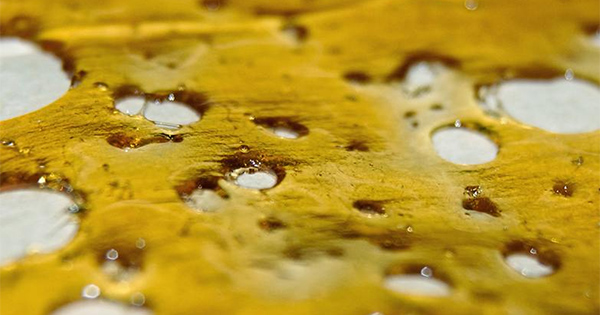
Decarboxylation also occurs during the production of certain concentrates. This is particularly true of RSO (Rick Simpson Oil), whose heat-induced ethanol evaporation process activates cannabinoids. Conversely rosin produced at low temperatures (100-120°C) can remain partially undecarboxylated, depending on pressure parameters - a key point for consumers of concentrates who want to control their THCA/THC ratio.







CBD is said to promote athletic recovery, without improving performance

294 cannabis clubs in Chile: a booming movement with uneven distribution

Chronic Sciatica: New York Approves First Clinical Trial of a THC-Based Medication

United States: The DEA is accelerating the integration of medical cannabis at the federal level

Florida is nearing one million patients using medical cannabis

Uruguay Revives Its Plan to Allow Tourists to Legally Access Cannabis

In Brazil, researchers are developing an innovative CBD eye drop

Autism: Medical Cannabis Is Linked to Reduced Anxiety

The $28 billion U.S. hemp market remains under threat

