

What is medical cannabis?
Medical cannabis is much discussed and debated by scientists, doctors and politicians on the international scene. More and more countries are legalizing it, studies are highlighting its benefits, etc. But what is medical cannabis? cannabis cannabis? How does it differ from recreational cannabis?
The medical marijuana, also known as medical marijuana, In this case, it refers to the use of cannabis to treat symptoms or a particular illness. In this case, the focus is not solely on psychoactive effects, but also on the therapeutic effects of cannabis.
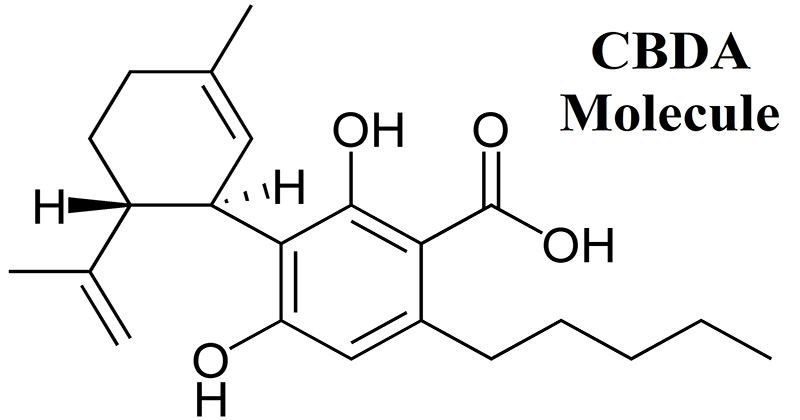
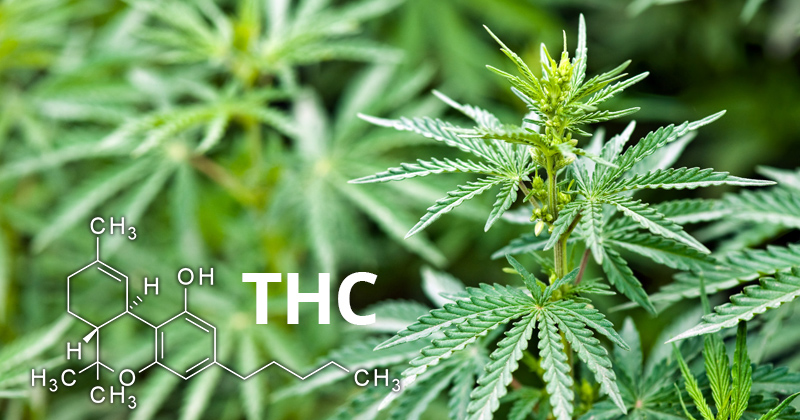
The key to the action of cannabis on the human body lies in cannabinoids, the active ingredients in cannabis. Cannabis currently contains over 85 known cannabinoids. The two cannabinoids most widely studied and used for their therapeutic effects are cannabidiol (CBD) and tetrahydrocannabinol (THC).
Medical cannabis can be administered in a variety of forms, ranging from the familiar pharmacy tablet to dried flowers, either sourced at Bedrocan, or coffeeshops.
The medical cannabis is not legal in France for the time being. A 2-year experiment that began in 2020 will enable 3,000 patients to benefit from medical cannabis. The aim is to validate the medical cannabis prescription and distribution circuit. It will also enable us to measure the benefits and possibilities of extending the use of medical cannabis to all patients who could benefit from it. The widespread use of medical cannabis in France is scheduled for 2025.
Medical cannabis around the world
Cannabis is used for thousands of years, to treat many diseases. The first known medical use of cannabis dates back to around 2700 BC, in the Emperor Shennong's encyclopedia of aromatic herbs, one of the oldest texts on herbal medicine.
Cannabis was subsequently used for centuries, until its prohibition in the early 19th century. Cannabis was most often consumed in solid form or as a drink. It wasn't until the Mexican Revolution, when Mexicans brought weed back to the United States, that prohibition began to take effect. In 1906, the U.S. government introduced Food and Drug Act which banned foreign foodstuffs, including cannabis. Then, one by one, American states criminalized cannabis. The rest of the world followed suit, under pressure from the USA.

The legalization of medical cannabis around the world
However, since the 1960s, scientists have again been studying cannabis. Raphaël Mechoulam and his team have succeeded in isolate THC in 1963, then CBD and endocannabinoid system.
In 1996, California became the first American state to legalize medical cannabis. Over the years, the benefits of cannabis have resurfaced, and cannabis legalization has spread around the world. In the 1970s, the Netherlands decriminalizes cannabis, Portugal followed suit in 2000. And in 2013, Uruguay becomes the first country in the world to legalize cannabis.
Today, cannabis is decriminalized in Austria, Belgium, Canada, Chile, Colombia, the Czech Republic, Finland, Israel, the Netherlands, Spain and the UK, all of which offer some form of medical access to cannabis. In the United States, cannabis remains illegal at federal level but medical cannabis is legal in 29 states.
Medical cannabis as a treatment for pain
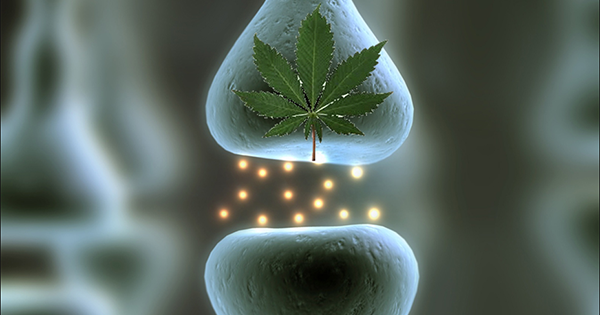
Medical cannabis acts on numerous pathologies and ailments, via its action on the endocannabinoid system. It has proved effective in treating a wide range of illnesses, such as glaucoma, Parkinson's disease, Alzheimer's disease and Alzheimer's disease.’asthma, multiple sclerosis, the’epilepsy, Crohn's disease, the diabetes, the Gilles de la Tourette syndrome, the cancer, the post-traumatic syndromee. The same applies to pathological syndromes such as’anxiety and paranoia, nausea, depression and painful periods.
To be clear, cannabis rarely cures. On the other hand, it often treats the symptoms of an illness with fewer side effects than traditional medicines, or is effective where no other drug works. It works particularly well against pain, epilepsy in children, and is showing promise for diseases of old age such as Alzheimer's and Parkinson's.
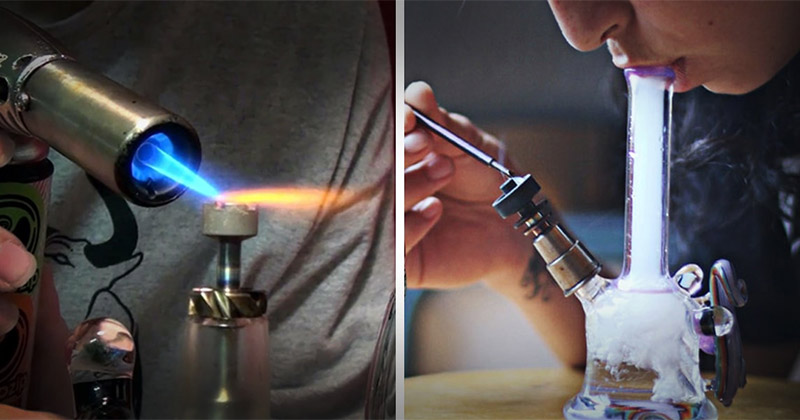
The medical action of cannabis depends on the dose, the cannabinoid composition of the variety or drug, and the method of administration. Some cannabis-based medicines as the Sativex for example, designed in France to treat the spasticity of multiple sclerosis, use a mouth spray to administer phytocannabinoids (CBD and THC). Medical cannabis can also be ingested via infused foods (for people who don't like or can't smoke), vaporized or smoked (the least effective of the methods). Sick people can also consume cannabis in less well-known ways as with patches and suppositories.
Some medical cannabis varieties
If you've followed us this far, you'll have understood that any variety of cannabis can be medical, as long as it acts on the symptoms affecting sufferers. Some cannabis varieties have a more medical profile than others. These include varieties with a high CBD content, such as :
- The Charlotte's Web No psychoactive effects. This variety was grown to treat a young girl with epilepsy, Charlotte Figi, Dravet syndrome. For medical use, it is most often consumed as a high-dose oil.
- The variety Harlequin has a high CBD content. Predominantly sativa, it is effective against pain, anxiety and THC-induced paranoia. It can be useful for conditions such as Parkinson's disease or multiple sclerosis. It is relatively easy to find on our side of the Atlantic in certain Amsterdam coffeeshops.
The medical cannabis flowers are sometimes irradiated to avoid transmitting pathogens to patients whose immune systems are already compromised.
Medical cannabis controversies
The medical use of cannabis is often decried, even demonized, not least because the line between medical and recreational can sometimes be a fine one. The most vexing question in this respect: is a joint in the evening after a tiring day recreational or medical?
Other bottlenecks are also highlighted:
- Limited search : Although there is growing evidence of the medical efficacy of cannabis for certain conditions, there are still no full-scale, comprehensive clinical trials due to regulatory hurdles and the classification of cannabis as a Schedule I controlled substance in many countries. Critics argue that further research is needed to fully understand the risks and benefits of medical cannabis.
- Dependency risk : Like all psychoactive substances cannabis carries a risk of dependence, especially if consumed regularly or in high doses. Critics fear that the medical use of cannabis could lead to dependence or abuse, particularly among vulnerable populations.
- Inconsistencies in dosage and administration : Unlike pharmaceutical drugs, medical cannabis products can vary considerably in terms of potency and composition, making it difficult for healthcare professionals to prescribe precise dosages. Critics say this variability can lead to inconsistent treatment results and safety issues.
- Stigma and perception : Despite the growing acceptance of medical cannabis worldwide, However, its use is still stigmatized, which can lead to criticism from conservatives and traditionalists. Some critics may see medical cannabis as a pretext for recreational use, or as a threat to societal norms.




CBD is said to promote athletic recovery, without improving performance

294 cannabis clubs in Chile: a booming movement with uneven distribution

Chronic Sciatica: New York Approves First Clinical Trial of a THC-Based Medication

United States: The DEA is accelerating the integration of medical cannabis at the federal level

Florida is nearing one million patients using medical cannabis

Uruguay Revives Its Plan to Allow Tourists to Legally Access Cannabis

In Brazil, researchers are developing an innovative CBD eye drop

Autism: Medical Cannabis Is Linked to Reduced Anxiety

The $28 billion U.S. hemp market remains under threat

