The different types of solvent-free cannabis extraction
The world of cannabis extractions is growing fast and has no real intention of stopping. In most legal markets, sales of concentrates are steadily increasing and taking more and more market share. This emerging trend in the public eye has undoubtedly sparked the imagination of amateur and professional chemists alike.
For consumers, it's also a very exciting phenomenon. Hash fans know that choice is everything. A few years ago, the only cannabis extracts produced without the use of chemical solvents (butane, propane, etc.) were the kief, the bubble hash (hashish produced by cold extraction) or good old-fashioned hashish.
New extraction methods, in particular heat extraction such as the rosin,As a result, some consumers are turning to solvent-free extraction methods. Here are the main solvent-free cannabis extraction methods with which you may be unfamiliar, but which are increasingly appearing on dispensary shelves.
Solvent-free rosin and shatter
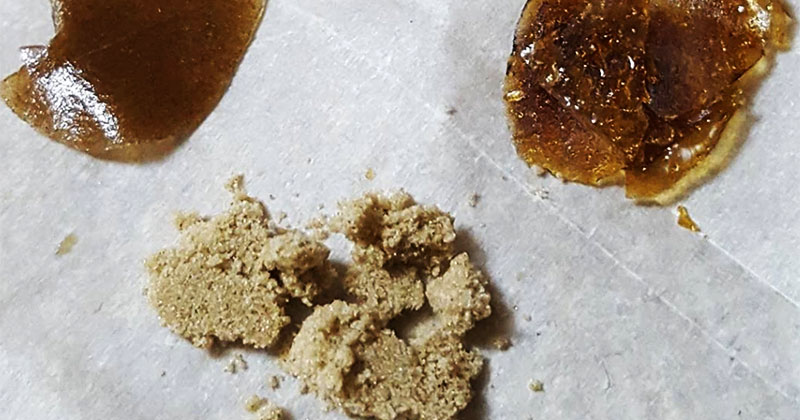
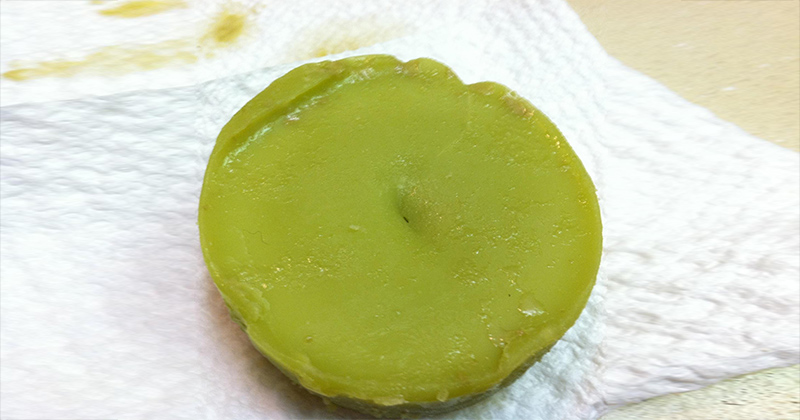
The rosin is considered the game changer solvent-free extraction. It has opened the door to many new products. The principle behind rosin is to subject cannabis to a combination of pressure and heat to extract its active ingredients. The result may vary in form, but generally gives amber drops of THC, in a consistency ranging from honey to caramel.
Solvent-free shatter
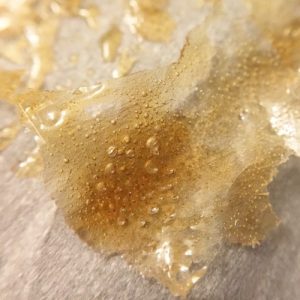
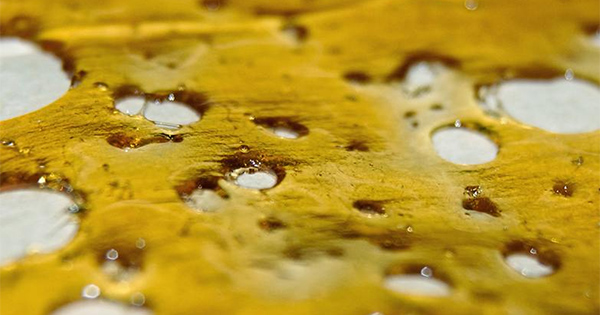
Solvent-free shatter is a type of rosin which comes out in «glass» form, and looks like BHO (butane hash oil), The difference is that it has been produced with nothing but heat and pressure. An oil of this consistency is achieved both by the use of certain varieties and a precise combination of heat and pressure, at the right time.
Some cannabi cultivarss produce more or less stable rosins. The curing and trichome degradation also influence the consistency of the oil. Rosin can be obtained from a variety of plant materials, including just-harvested or already dried flowers, kief, oilseed oil, etc. water hash and even trim remnants. Color, consistency and aroma profile vary greatly depending on the base material.
Most solvent-free oils come in sap form. Their color can vary from transparent gold to dark amber. The quality of the base material and its age will influence the color of the result. Heat and pressure, on the other hand, have an impact on rosin consistency. Higher temperatures tend to produce harder, shatter-like products, while lower temperatures produce a more liquid result.
Budder
Budder
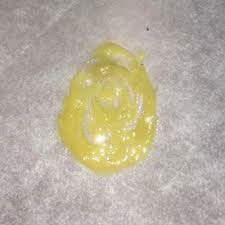
Another type of solvent-free oil is budder, also known as cake batter or whipped rosin (whipped rosin). These products are obtained by incorporating gentle temperature and movement into the basic rosin process. The result is a kind of butter or balm.
This technique significantly enhances the oil's aromatic properties, and gives it easier to dabber.
Freeze-dried Hash
Freeze Dried Hash
Nothing to do with food consumed in space, apart from the way the oil is obtained.
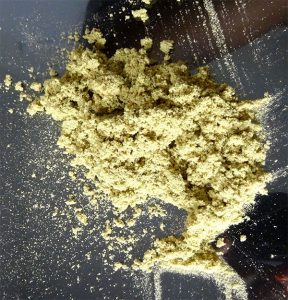
In contrast to previous methods which played with positive temperatures, these new products explore the effect of near-freezing temperatures, and very little pressure. These polar temperatures are intended to prevent the degradation of trichomes, and therefore their aromatic properties and the plant's potency. The machines used for this kind of product are still very expensive, and the technique is relatively avant-garde for the moment.









October 2026 CBD Highlights: 10 Strains and Hash to Discover from 5 French Producers

CBD in France: Traceability, Retail Stores, THC and Driving… What the New Bill Proposes

Organigram Enters the Race for Aurora Cannabis

Medical Cannabis: Augur Associates’ latest report provides an update ahead of the publication of the decrees

Golden Buds is relaunching its Nova High vape pens with a cannabinoid formula that’s out of the ordinary

Cannabis is now Canada's fifth-largest commercial crop

Bedrocan Finally Declared Bankrupt

After CBD, Can Wellness Exist Without Cannabinoids?

Uganda Launches a Cooperative Dedicated to Medical Cannabis

