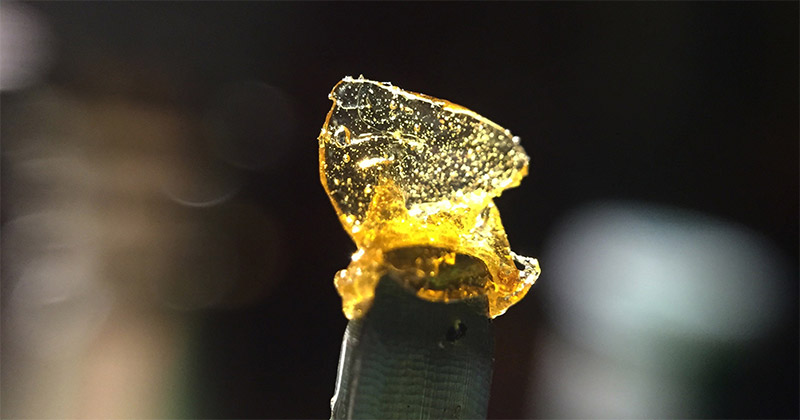
What is rosin?
The rosin refers both to an extraction technique and to the resulting cannabis concentrate. Unlike the BHO or to PHO, rosin is a solvent-free extraction It relies solely on heat and pressure to «sweat» the resin out of the plant material. No butane, no propane, no chemical residues to purge.
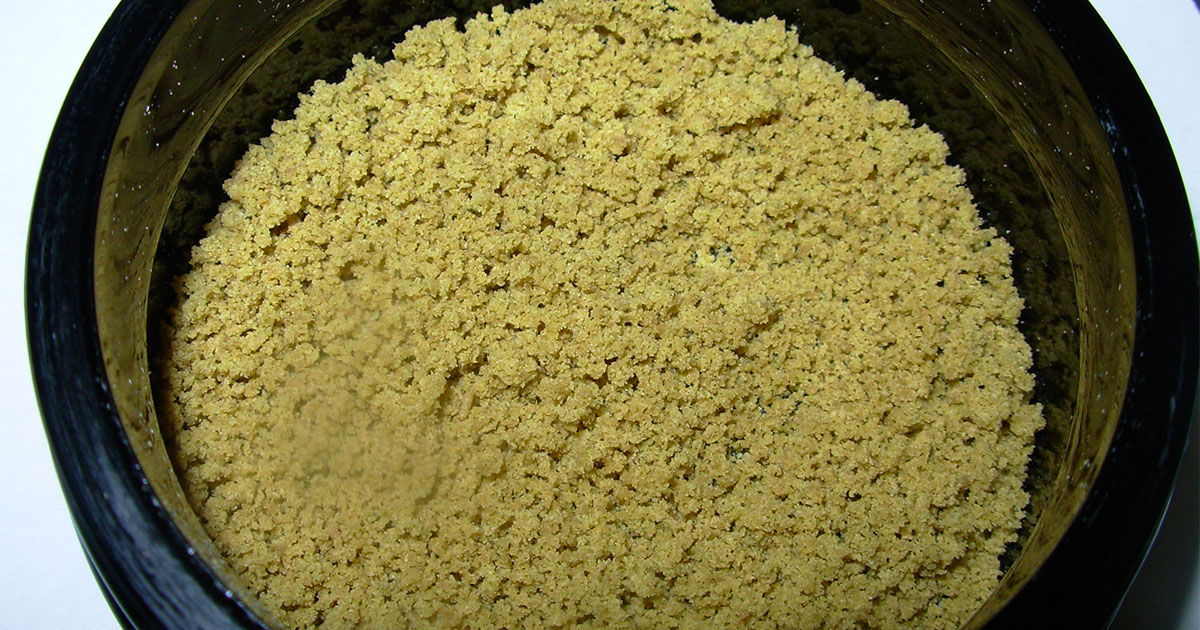
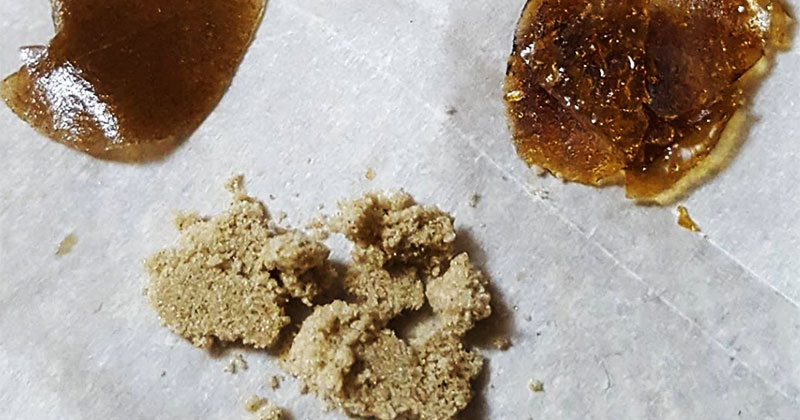
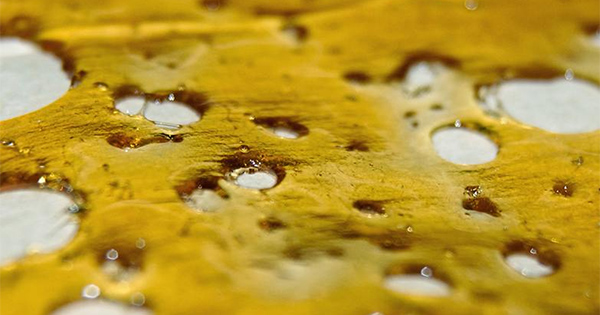
The result is a translucent concentrate, often golden to amber in color, with a terpene profile that is generally superior to that of solvent-based extracts, since no chemicals alter or distort the original aromas. Its content of THC is generally between 50 and 80% depending on the starting material, with a profile in terpenes and cannabinoids particularly well-preserved.
What does «rosin» mean?
The English word «rosin» originally referred to colophony, a natural resin used to coat violin bows (it increases their grip on the strings), and the process of extracting it using heat and pressure inspired the cannabis extraction technique.
In French, it is also spelled «rosine,» and people say both «la rosin» and «le rosin.».
History of rosin
Although it may have been produced accidentally long before that, rosin was first introduced to the cannabis community by ICMag in 2006, by a forum member named Compashon. It didn’t gain widespread recognition until 2015, when Phil «Soilgrown» Salazar, while trying to improve the quality of some lower-grade hash, noticed that when he pressed the hash to flatten it, resin began to ooze out.
He then places a piece of hashish between some greaseproof paper and presses it against a nail When heated, «oil» comes out of it—now known as rosin. He then experiments with his wife’s curling iron, and she suggests he try a hair straightener. After running out of hash, he tries it with flowers—same result. The technique was born.
In the years that followed, rosin production evolved towards industrial hydraulic presses enabling consistent mass production.
Rosin vs BHO: the fundamental differences
| Criterion | Rosin | BHO |
|---|---|---|
| Solvent | None (heat + pressure) | Butane |
| Residues | No solvent residue | Purge essential |
| Terpene profile | Excellent | Good to excellent |
| Typical THC | 50–80% | 60–90% |
| Yield | 10–25% | 15–30% |
| In-house production | Possible (straightener) | Very dangerous |
| Security | High | High risk (flammable) |
| Production price | High (raw material) | Variable |
Types of rosin: flowers, kief, hash rosin, live rosin
The quality of the final concentrate depends directly on the starting material.
Flower dew
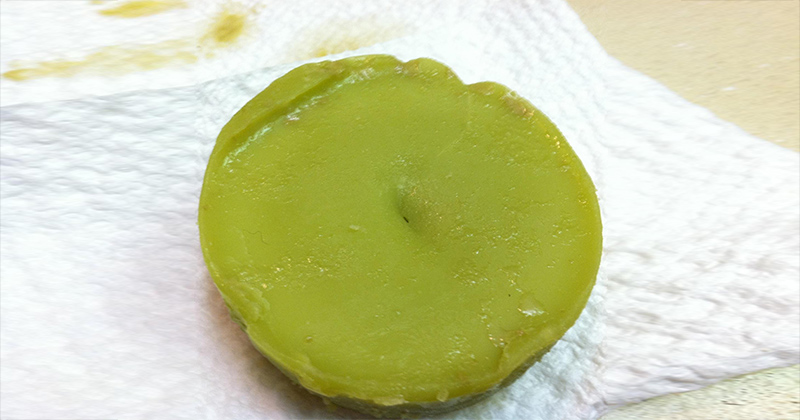
The most accessible. Contains a few traces of plant matter in the final product, which may add a slight grassy flavor. Use a mesh bag (rosin bag) significantly reduces these contaminants. Typical yield: 10-20%.
Rosin de kief
Since kief is already a concentration of trichomes separated from the plant material, the resulting rosin is purer and richer in cannabinoids. It yields more than flower rosin.
Hash rosin
The Premium Method. The bubble hash or the dry sift is first produced, then pressed to obtain rosin. The final product, sometimes called hash rosin, is considered one of the highest-quality concentrates available, with exceptional purity and an exceptional flavor profile.
Live rosin
The top of the chain. The freshly harvested plant is immediately frozen (live or WPFF), transformed into bubble hash extracted using ice-cold water, then pressed. The terpene profile, preserved from the moment of harvest, is maximized. Not to be confused with the live resin, which is a solvent extraction (BHO cryogenic), not a rosin.
Why is rosin so popular?
Solvent-free : No chemical residues, no risk of contamination from butane or propane, and no need to purge. The rosin can be consumed immediately after extraction. Be careful, however: solvent-free does not mean contaminant-free. Any pesticides or heavy metals present in the source plant will be concentrated in the final product, which is why it’s important to start with a clean raw material.
Security : Unlike BHO, making rosin poses no risk of explosion. A hair straightener is all you need to get started. Be careful not to burn yourself, though.
Preserved aromas : Low-temperature extraction preserves volatile terpenes better than solvent-based methods, giving the rosin an aromatic profile that is often more faithful to the original cultivar.
Accessibility : This is the only high-quality concentrate that can actually be made at home using everyday household items: a flat iron, parchment paper, a dabber.
Is rosin stronger than a flower?
Yes, in terms of cannabinoid content: rosin typically contains 50 to 80% of THC, compared to about 15 to 25% in flower. Concentrates are therefore consumed in very small amounts: the effects are more intense and set in faster—especially when dabbing—and tolerance can build up more quickly. It’s best to start with a very small dose.
Solvent-free doesn't mean healthier: rosin is still a cannabis product like any other. If you want to lower your tolerance, see our article on How to Reduce Your Tolerance to Cannabis. And if you've had one too many, here's How to make the effect work.
CBD Rosin: What You Need to Know
In France, the rosin sold in stores is CBD rosin: pressed from CBD-rich hemp flowers or hash, with a stated THC content of less than 0.3 %. The process is the same (heat and pressure, without solvents); it is the source plant that differs. The THC levels of 50 to 80% mentioned above refer to rosin derived from THC-rich strains, produced and sold on legal markets, particularly in North America. To learn more about CBD resins, see our guide Everything You Need to Know About CBD Hash.
How to make rosin
Please note: These tips are intended for countries where the cultivation and extraction of cannabis are permitted. In France, making rosin from cannabis containing THC is prohibited.
To get started, you'll need: a hair straightener (or rosin press), greaseproof paper, a dabber, heat-resistant gloves.
A few practical tips from our tests:
- Make sure your cannabis isn't too dry: if it's crispy, rehydrate it for 6 hours in a sealed container with a damp paper towel wrapped in aluminum foil with holes punched in it.
- Before pressing, let the head warm up for 10 seconds inside the paper, applying light pressure.
- Temperatures : 110-120°C for 40-60 seconds better preserves terpenes and gives a result close to that of shatter ; 150°C for 5-10 seconds Applying firm pressure yields more oil. Go by ear: a slight sizzling sound indicates that sublimation is underway.
- Place the paper in the freezer for 10 seconds after extraction to facilitate rosin collection.
- Typical yields : 10–20% with flowers (10g weed → 1-2g rosin).
There are rosin presses manual or hydraulic for more consistent results and larger volumes.
How to store rosin?
Rosin breaks down when exposed to heat, light, and oxygen, which accelerate the oxidation of terpenes and the breakdown of THC. Store it on non-stick parchment paper Store it in an airtight glass or silicone container, away from light and in a cool place. It will keep for several weeks in the refrigerator without any noticeable loss of quality. For long-term storage (several months), the freezer is recommended; wrap it tightly to prevent condensation when thawing.
How do you smoke rosin? Dab, vaporizer, or joint
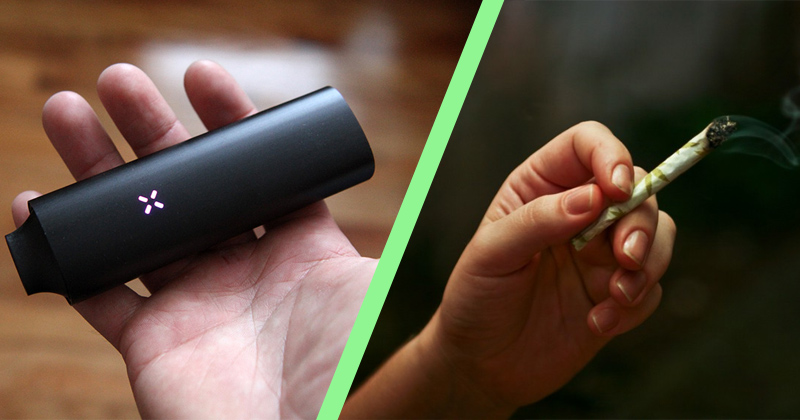
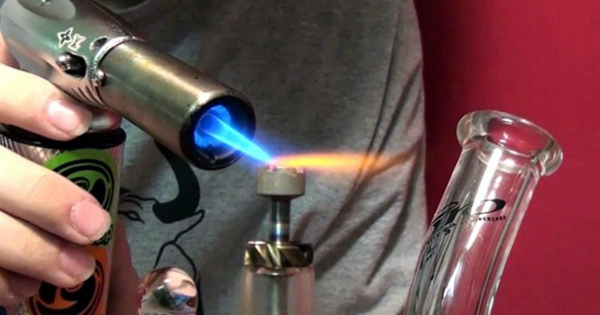
Dabbing with a dab rig, this is the best way to preserve the flavors. Use a vaporizer designed for concentrates (Puffco Peak/Proxy, Gpen Micro+). These devices are available at specialty retailers, such as those carrying the dabbing gear from Zamnesia, which offers the Puffco and G Pen models, among others. Sprinkled or crumbled into a joint. For consumers who want to get the most out of the terpenes, a temperature of 170-190°C spray is recommended.
Can you eat rosin?
It can be used in recipes, but when ingested as is, rosin generally has little effect until it has been heated (decarboxylated). And as with any edible, the effects kick in later and last longer: 4 to 8 hours, as we explain in our article on the’effects of a space cake.
How much does rosin cost?
Rosin is an expensive product: the raw material is costly, the yield ranges from 10 to 20% per flower, and the quality varies greatly depending on the starting material (live rosin or hash rosin costs more than flower rosin). To compare products, check out our Marketplace and our Great Deals. If you're looking to get equipped, our guide to rosin presses will help you choose without breaking the bank.
Rosin Extraction Test
Together with JuW from Légalisation Douce, we were able to test the Tarik Rosin thanks to LaCentraleVapeur and Dab French Conne710n. The Tarik Rosin is simply a manual extraction press that uses the same concept as a hair straightener but offers a larger heating surface and more precise temperature control.

Tarik Rosin, oil slick wrap, oil slick mini, dabber and concentrate sprayer
It’s simple to use: just let the device heat up, place a bud in the oil slick wrap (the next generation of parchment paper), up to 1g, press it all together, and collect the rosin.
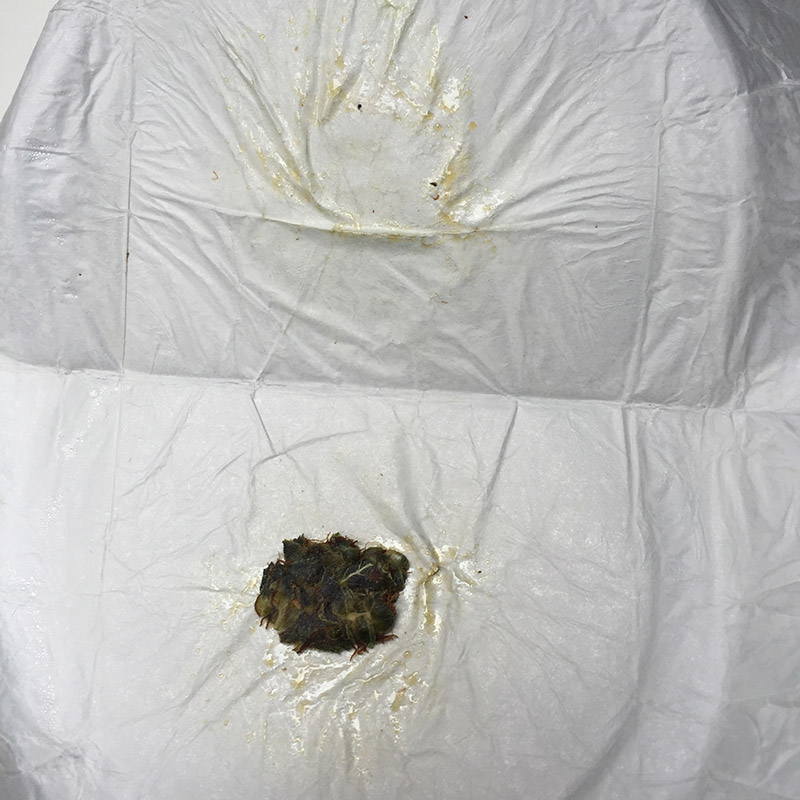
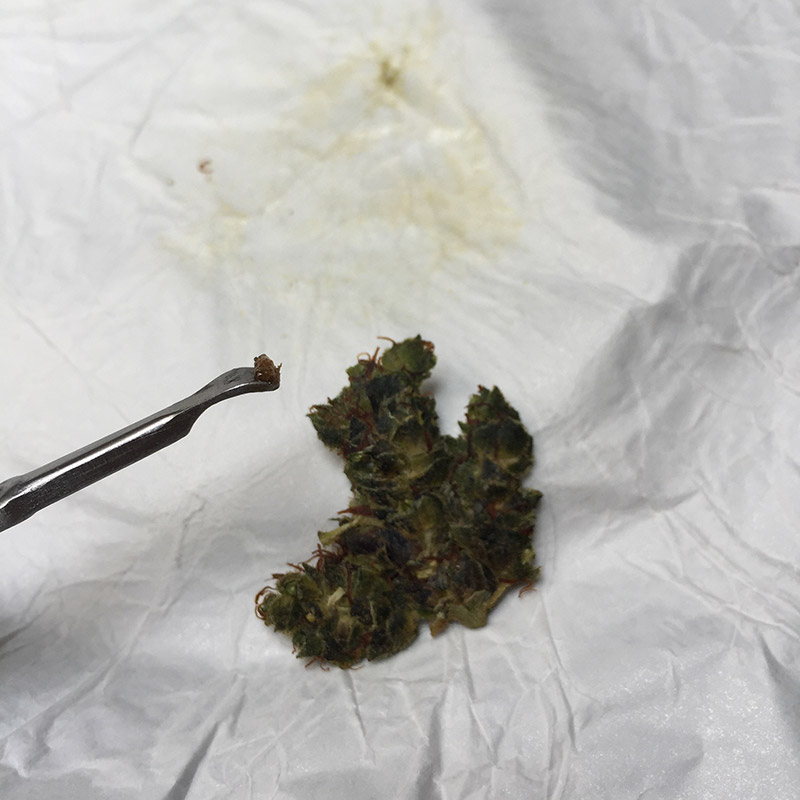
Afterwards, here's What We Learned from This Test (See the preparation tips above):
- As for temperature, we ran several tests: 150°C for 10 seconds and 110°C for 40 seconds. Higher temperatures generally destroy more terpenes and cannabinoids, so some people may prefer lower temperatures, which yield a result closer to shatter than to oil. For our part, the shorter processing time, combined with high pressure, gave us good results.
- After 5 to 7 seconds at 150°C, you’ll hear a sizzling sound, which indicates that the extraction is taking place (more specifically, sublimation). When you hear this, release the pressure for 1 to 2 seconds and remove the parchment paper from the press.
- Removing the resin from the paper can be tedious, even with the right tool. Some people recommend placing the extract in the freezer for 10 seconds to cool it down and make it easier to collect.
Some cannabis strains produce more rosin than others. So you might be disappointed if you try it with just any old weed. Rosin yields range from 10 to 20%, which means that if you have 10g of weed, you’ll get «only» 1 to 2g of rosin.
The rosin can then be added to a joint, consumed in dab or in spray bottle to make the most of its terpenes and cannabinoids. Vaporizers like the Puffco Plus / Peak / Proxy or the Gpen Micro+ are specifically designed for the consumption of concentrates.
Frequently Asked Questions About Rosin
What is rosin?
Rosin is a cannabis concentrate produced solely through heat and pressure, without the use of solvents. It can be pressed from flowers, kief, or hash, and takes the form of a translucent oil or paste, often ranging in color from golden to amber.
What is the difference between rosin and BHO?
Rosin is produced without solvents, using heat and pressure, whereas BHO is extracted with butane and requires purging. The production of BHO is dangerous (flammable), while the production of rosin poses no risk of explosion.
Is rosin stronger than a flower?
Yes, in terms of THC content: rosin generally contains 50 to 80% of THC, compared to about 15 to 25% in a flower. The effects are more intense, which is why it’s best to start with very small amounts.
Can you eat rosin?
It can be used in edibles, but when ingested as is, rosin generally has little effect until it has been heated (decarboxylated). The effects of an edible set in later and last longer, from 4 to 8 hours.
What's the difference between rosin, hash rosin, and live rosin?
Flower rosin is pressed from flowers, hash rosin from hash (bubble hash or dry sift), and live rosin from hash derived from frozen fresh plant material (WPFF). This should not be confused with live resin, which is a solvent extraction.
What is CBD rosin?
This is a rosin pressed from CBD-rich hemp, with a stated THC content of less than 0.3 %. The process (heat and pressure, solvent-free) is the same as for THC rosin.
At what temperature should you make rosin?
Between 110 and 120°C for 40 to 60 seconds to preserve the terpenes, or about 150°C for 5 to 10 seconds under high pressure to extract more oil.




Germany: Pharmacists Propose a Pilot Program to Sell Recreational Cannabis in Pharmacies

France Is More Reluctant to Legalize Cannabis Than the EU Average, According to a New EUDA Survey

Scientists Create Cannabinoid-Free Hemp

MediPharm is preparing to launch its cannabis inhaler in Europe

Sensi Seeds and High Times are teaming up to launch five new cannabis strains

Brains Bioceutical is aiming for the Nasdaq with a valuation of $750 million

CBD in French Polynesia: Sublingual Oils Soon to Be Available Over the Counter

Cannabis legalization in Mexico returns to the Senate after five years of political deadlock

Massachusetts Gives the Green Light to Drive-Thru Cannabis Sales

