
A Nepalese province legalizes medical cannabis


The Gandaki Province, Nepal has officially authorized the cultivation of cannabis for medical and industrial purposes. The provincial law, which took effect this week after receiving final approval from provincial authorities, marks the first time a Nepalese province has adopted such a regulatory framework, despite the national ban currently in place in the country.
Gandaki Becomes the First Nepalese Province to Regulate Medical Cannabis
The new legislation authorizes the cultivation of Cannabis solely for the purpose of medical and industrial. Farmers and businesses will be required to obtain prior authorization from provincial authorities, and cultivation will be permitted only in areas designated by the government, under strict official supervision.
The bill, introduced by the Minister of Industry and Tourism Yasodha Rimal, was unanimously approved by the’Gandaki Provincial Assembly after months of consultations with experts, local governments, and industry stakeholders. According to provincial authorities, this framework is intended to establish a strictly regulated supply chain rather than to pave the way for recreational use.
Among its key provisions, the law requires that all cannabis-based products undergo mandatory chemical testing before they can be sold or processed. Authorities may establish specialized laboratories or rely on existing institutions to conduct these analyses. The legislation also includes measures aimed at preventing abuse while supporting rehabilitation initiatives.
Strict THC Limits and Government Oversight
The Gandaki Province has adopted a relatively restrictive approach. The law limits the content of THC unless 3%, thereby shifting cultivation toward varieties intended for medical and industrial applications rather than for high-THC production.
Any cultivation project must be officially authorized and subject to ongoing monitoring. Provincial officials assert that these protective measures are necessary to comply as closely as possible with Nepal’s current legal framework, which continues to criminalize the unauthorized cultivation, possession, and distribution of cannabis nationwide.
National legislation remains unchanged. Throughout Nepal, cannabis-related offenses continue to be punishable by imprisonment ranging from one month to ten years, depending on the quantity. Although the Ministry of the Interior has studied in recent years With regard to any potential regulatory procedures, no national framework has yet been adopted.
A province that is capitalizing on its agricultural potential
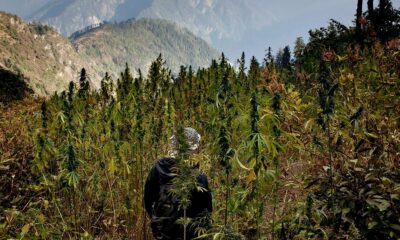
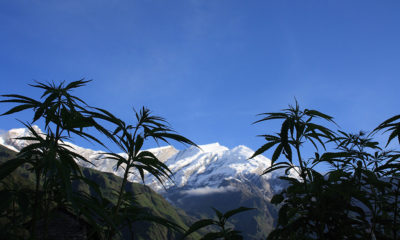
Provincial officials believe that the The Gandaki Province offers advantages significant for the regulated cultivation of cannabis. Minister Yasodha Rimal highlighted the region’s geography and climate, describing them as particularly well-suited to this crop.
According to the provincial government, cannabis requires relatively little water, can be grown without pesticides, and is less vulnerable to agricultural pests such as monkeys—a recurring problem for Nepalese farmers. Officials also point out that this crop requires less labor while offering potentially higher yields, making it attractive to rural communities in the province’s eleven districts.
Supporters of this initiative also see cannabis as an opportunity to diversify agricultural production and create a new economic sector based on fibers and medical raw materials rather than psychoactive products.
A Broader Trend in Nepal
The passage of this law reflects the broader debate that is currently sweeping Nepal. Once known internationally for its cannabis cultivation, the country banned the cultivation and trade of this plant in 1976 after joining the global movement to combat narcotics. Since then, cannabis has remained illegal, even though it continues to play an important role in certain religious and cultural traditions.
Pressure to revise the legislation have increased in recent years. Even before the Gandaki Act was passed, provincial leaders had already argued that regulated cultivation could create economic opportunities while remaining focused on medical and industrial uses.
Elsewhere in the country, the Ilam Municipality has also cautiously moved toward regulated hemp production through a closely supervised pilot program, limited to the fiber crops.
While Gandaki’s legislation does not override Nepal’s national ban, it nevertheless sets a significant precedent.












Argentina Opens Its Market to Hemp Flowers Containing 1% of THC

The French Socialist Party still doesn't know how to approach the legalization of cannabis

Science in the City International: Paris at the Heart of Transatlantic Scientific and Medical Dialogue

Christine Fréchette is alienating Quebec’s cannabis industry

Rima Hassan: When «Drugs» Become a Political Weapon

From Marathons to Ultratrails: How Extreme Running Affects the Endocannabinoid System

Four days of THC may make breast cancer less aggressive, according to a new study

Medical Cannabis: 14 Organizations Finally Call for Enforcement of the Law

One year after the launch of the Dutch cannabis experiment, the first trends are emerging

High Ground: The Crash of a Plane Full of Marijuana That Made History in Yosemite
-
 Cannabis and driving1 week ago
Cannabis and CBD: French Drivers Can Now Lose Their License Even Without a Positive Test Result
-
Cannabis in France2 weeks ago
Cannabis Legalization: The LFI Bill Has a Major Problem—THC
-

 Cannabis in the Netherlands5 days ago
One year after the launch of the Dutch cannabis experiment, the first trends are emerging
-
Cannabis in France6 days ago
French medical cannabis remains stalled at the Ministry of Health
-
Business5 days ago
The United Kingdom Is Moving Closer to a Regulated CBD Market
-
Cannabis in Europe2 weeks ago
Andorra Paves the Way for Medical Cannabis Cultivation
-
Cannabis in France2 weeks ago
Drought: Could Hemp Become the New Hope for French Farmers?
-
Cannabis in Argentina2 days ago
Argentina Opens Its Market to Hemp Flowers Containing 1% of THC










You must be logged in to post a comment Login