Cannabis distillate: definition, production and full-spectrum comparison
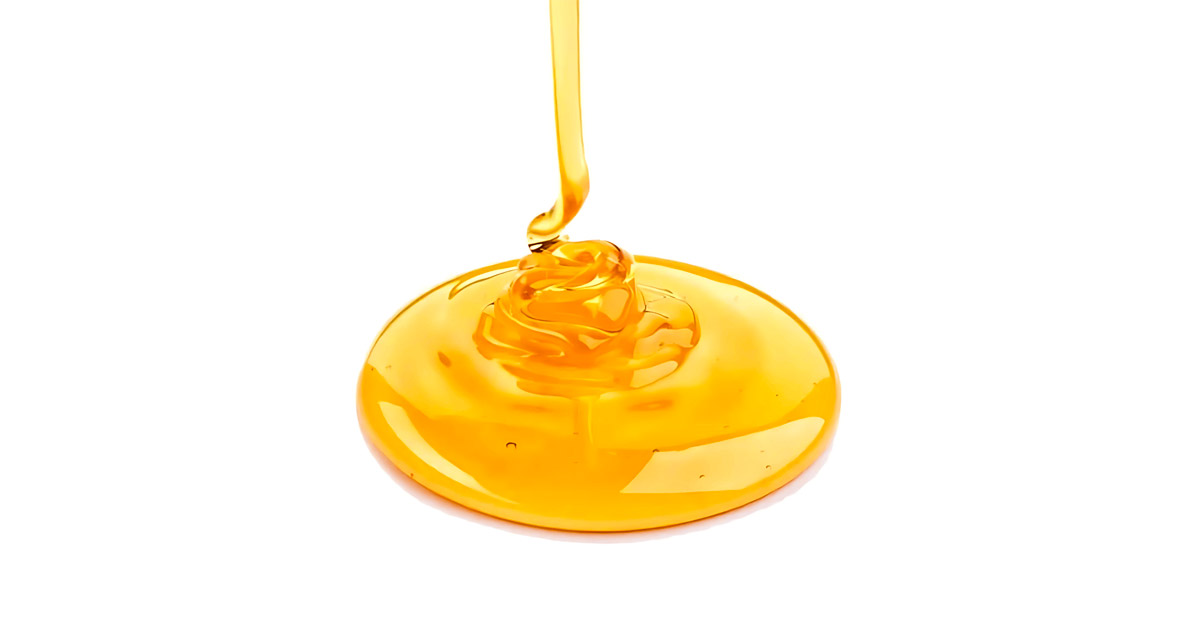
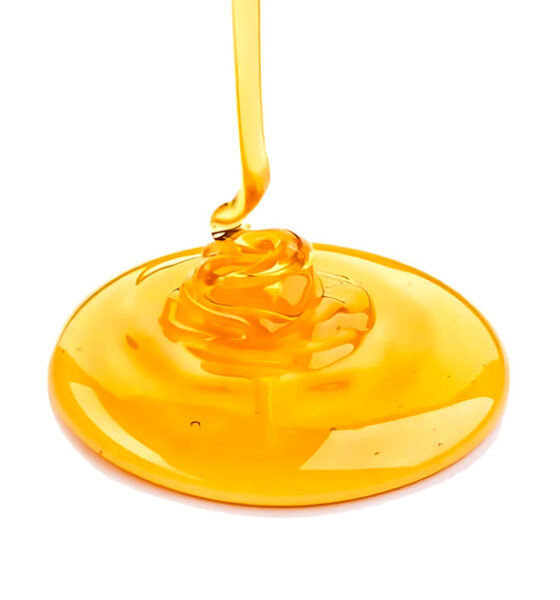
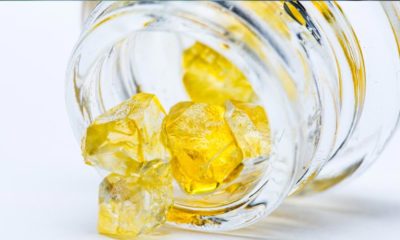
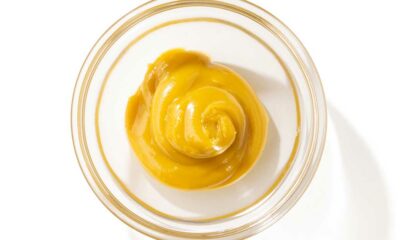
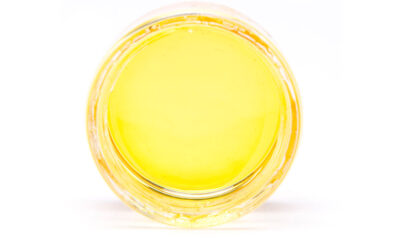
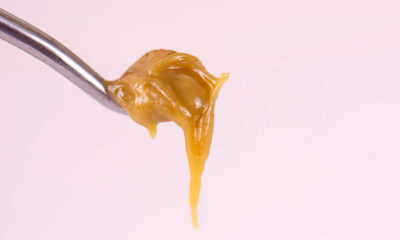
The distillate is a fluid, translucent extraction, devoid of the waxes or undesirable compounds of the original plant. Distillate is desirable for its potency and versatility. It can be used for dabbing, vaporizing and blending as an ingredient in edibles, the topical and other products. Distillate concentrates are obtained through an advanced distillation process that separates the compounds from the cannabis plant matter.
Find out more about distillate
Distillate is a cannabis extract in which the final product has been systematically stripped of all materials and compounds, with the exception of a specific cannabinoid.
Distillate is the basic ingredient in most edibles and vape cartridges and is generally devoid of any flavor, taste or aroma. It is a potent cannabis oil that can be used on its own or infused into other cannabis products or merchandise. The most common forms of distillate on the market are THC oil and cannabidiol (CBD) oil. The name of the oil indicates the most important cannabinoid. In the case of CBD oil, CBD would be the most important cannabinoid. The name distillate refers to the process of purifying cannabis to remove and separate cannabinoids, such as THC or CBD, into unique products.
The distillate is extremely potent, although it does not contain the terpenes - the natural flavours and aromas of the cannabis plant. One of the advantages of removing natural terpenes is total control over the taste and smell of the final product. A disadvantage of removing terpenes is that, without them, the final product may lack the therapeutic benefits commonly attributed to cannabis.’entourage effect. It is possible to add terpenes to the distillate later in the process, and many manufacturers do so, although it has been theorized that any medicinal benefit is reduced by their initial removal.
| Distillate | Isolat | Full-spectrum | Broad-spectrum | |
|---|---|---|---|---|
| Cannabinoids | 1 dominant (85-99%) | 1 single (99%+) | All present | All except THC |
| Terpenes | No (unless added) | No | Yes | Yes |
| Surrounding effect | Very low | Absent | Maximal | Partial |
| Flavor/aroma | Neutral | Neutral | Natural | Natural |
| Typical use | Cartridges, edibles, dab | Precise wording | Oils, flowers | Oils, cartridges |
Does distillate make you high?
Whether the distillate gets you high depends on the precise cannabinoid you consume. The main advantage is that by eliminating virtually everything except the desired cannabinoid, the end product is incredibly potent. For this reason, if you consume a THC distillate, you'll probably be very high, as the resulting oil will contain almost exclusively THC. On the other hand, if you consume a CBD distillate, you'll enjoy the therapeutic benefits of CBD but, as CBD doesn't produce intoxicating effects, you won't get high.
Is the distillate the same as the oil?
Distillate is one of the most commonly produced types of cannabis extraction, often coveted by consumers for its potency. And because it's been stripped of virtually everything that isn't cannabinoid, it's extremely versatile, able to be consumed on its own or as a base for many other cannabis products.
While all distillates are extractions, not all cannabis extractions are distillates. A cannabis extraction is only a distillate if all other materials and compounds, including terpenes, have been systematically stripped and removed. There are many other types of cannabis extraction on the market that have not undergone this process.
How is the distillate used?
Distillates can be consumed on their own with the help of a dab rig or a portable vaporizer. You can also vape them using a distillate cartridge and a vapor pen. Dabbing or vaping distillates produces an almost odorless vapor, depending on whether it's been flavored or not, and its effects are usually felt instantly. Adding drops of THC distillate to flower in a rolling paper or bowl intensifies the intoxicating effect without altering flavor or smell.
As an alternative to vaping or smoking, you can prepare edibles or distillate-based topicals. In edibles, distillates provide the desired cannabinoids without any plant taste. For home-prepared edibles, the oil should be introduced at a low dose, around 5 milligrams or less of THC per serving, then slowly increased to achieve the desired potency and taste. The distillates can be consumed on their own and deposited sublingually, or under the tongue. This type of oil can also be used in topical products, which are applied transdermally, or applied to the skin and absorbed.
Distillates enable cannabis product manufacturers to separate the various cannabinoids and terpenes, then recombine them in specific proportions. For example, the starting material of a cannabis plant harvest may not contain enough natural CBD to produce a tincture to treat anxiety disorders. Distillates make it possible to obtain a more precise CBD/THC ratio.
Manufacturers also use distillates to produce cannabis edibles, both for their ability to dose cannabinoids and terpenes in precise quantities, and for their tasteless quality. Cannabis butter is another ingredient commonly used for edibles, but it can add a dry, astringent taste. With distillates, manufacturers can have greater control over the taste of their infused edibles.
What is a vape pen?
On today's market, you can easily find vape pens that contain pure distillate oil. These products feature a cartridge filled with THC distillate, a heating element and a battery that powers the heating element. As with any vape pen, the heating element vaporizes the oil contained in the cartridge, and the vapor is then inhaled through the mouthpiece. As they contain a very potent form of extract, these vape pens tend to be very strong.
How is distillate made?
Distillates are, in essence, cannabis extracts that have been purified and processed to separate cannabinoids such as THC and the CBD, in precise quantities. They are made from cannabis extracts that have been winterized, decarboxylated and distilled.
For health and safety reasons, distillate production must be entrusted to professionals with the right equipment and working in controlled environments, as the configuration and materials require precision and accuracy.
The process generally begins with crude oil extraction, i.e. any process in which the cannabinoids are separated from the cannabis plant material. Crude extraction involves either physical or chemical separation. Physical separation techniques, such as sieving or rosin, tend to produce concentrates containing more plant impurities than chemical extraction methods, such as’butane hash oil (BHO) or the’carbon dioxide extraction by supercritical fluid. Whether the cannabinoids are separated by physical or chemical means, the crude extract produced contains impurities which must be removed before the oil can be separated into its individual cannabinoids.
The next major step in distillate production is called «distillation".« winterization« . This method purifies the raw extract of by-products such as plant waxes, fats, lipids and chlorophyll. The raw extract is mixed with ethanol. The solution is then placed in a very cold environment for 24 to 48 hours. Impurities coagulate under the effect of the cold and precipitate, or separate, falling to the bottom of the container. This process is similar to cooking a chicken: the excess fat and juices drip into the pan and thicken as they cool. The raw extract and ethanol solution are then passed through a filter. After filtering, the ethanol is removed. Ethanol can be removed using a variety of techniques, such as a rotary evaporator or falling-film evaporator.
At this stage, the extract would not be very potent. THC, for example, is the well-known compound and active cannabinoid that produces an intoxicating effect. However, it is tetrahydrocannabinolic acid (THCA) found at this stage. THCA has no intoxicating effect. THCA becomes THC after the application of heat. This process is called decarboxylation.
THCA is not the only cannabinoid that needs to be decarboxylated in order to interact effectively with the human body. All cannabinoids in their acid form must first be decarboxylated. In fact, there is no THCA in the distillate, as it is always decarboxylated.
The decarboxylation is the process of removing the carboxylic acid from the chemical compound of a cannabinoid. A cannabinoid is decarboxylated when it is heated to the point where the carboxylic acid is removed. By removing this acid group, the cannabinoid can easily interact in the body and bind to receptors in the nervous system - specifically, cannabinoid type 1 (CB1) and cannabinoid type 2 (CB2) receptors.
The decarboxylation point depends mainly on time and temperature. For example, THCA begins to decarboxylate into THC when exposed to heat of 104°C, or an open flame. When producing cannabis edibles, extractors decarboxylate the precipitate, then mix the resulting concentrate with other ingredients to infuse foods, confectionery and beverages with active cannabinoids such as THC and CBD.
The final stages in the manufacture of this cannabis extraction involve the cannabis distillation process. Using vacuum pressure and heat, the cannabinoids and terpenes can be separated from the decarboxylated extract according to their unique boiling points and molecular weights. In a vacuum environment, where pressure can be strictly controlled, the boiling point can be reached at much lower temperatures to avoid power loss.
| Distillate | BHO | Rosin | Ice hash | EHO gross | |
|---|---|---|---|---|---|
| THC/CBD purity | 85–99% | 60–90% | 60–80% | 50–80% | 60–80% |
| Terpenes | Absent | Present | Present | Present | Variables |
| Solvent | Ethanol + distillation | Butane | No | No | Ethanol |
| Surrounding effect | Very low | Good | Excellent | Excellent | Good |
| Main use | Cartridges, edibles | Dab | Dab | Dab, flower top | Oral, dab |












The Brazilian medical cannabis market continues to grow

Morocco: Three Cannabis-Based Medications Approved for the Treatment of Epilepsy

Canopy Growth Receives New EU-GMP Certification to Strengthen Its Presence in Europe

Three years after legalizing medical cannabis, Albania continues to establish regulations for it

The first plant-based medical THC spray arrives in the United Kingdom

Medical Cannabis in Germany: THC Prices Vary by a Factor of 12

France already has 3,000 cannabis retail outlets. None of them are legal.

Morocco's exports of legal cannabis have expanded to 15 countries

Aurora Cannabis Doubles Its Production Capacity in Germany

