Charas: the best hashish in the world

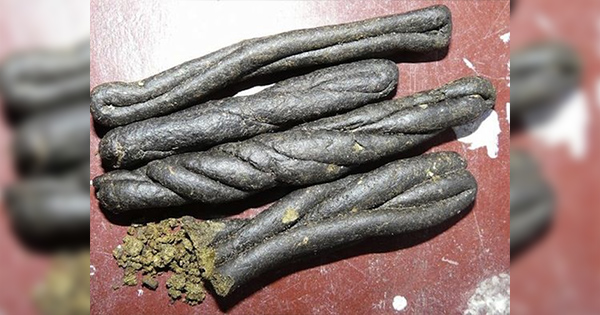
The charas is a manual extraction of cannabis originating in India, at the foot of the Himalayas. Unlike Moroccan hash, which is made by crushing harvested and dried cannabis plants against a sieve, Indian charas is made from cannabis plants still standing.
Charas is a major economic force in India's rural industry. Although possession of cannabis is technically illegal, law enforcement is very weak, and cannabis is widely cultivated in the mountains. Farms are off the beaten track, which also makes them difficult for the police to access. Usually, the whole family takes part in growing, harvesting and making the hash.
This hashish is made from cannabis varieties grown in the mountains of India. During harvesting, the flowering cannabis buds are rubbed between the palms of the workers' hands. This gesture, repeated all day long, produces 8 or 9 grams a day of hash that has retained all the plant's potency. The faster the worker works, the lower the quality.
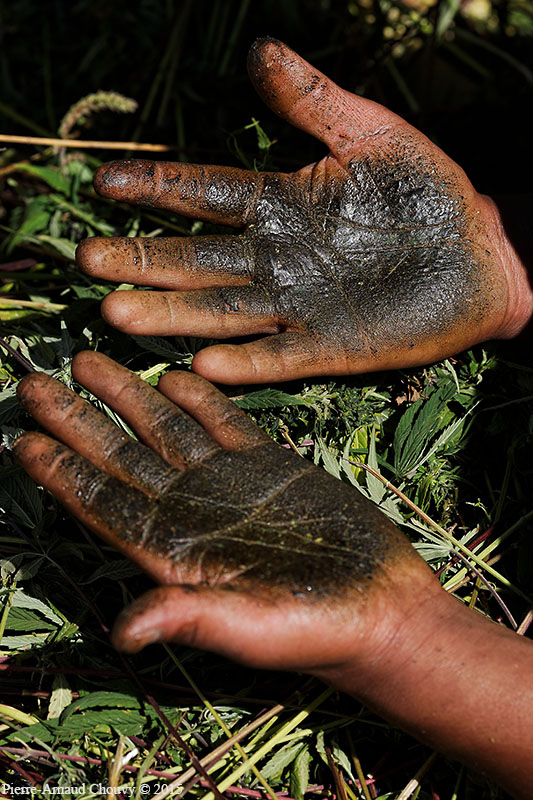
The best charas comes from the village of Malana, in the very north of India, with a product nicknamed the Malana Cream. The difference lies in the fact that the heads are manicured before being rubbed, and that the pressure applied when rubbing is minimal to retain as many resinous trichomes as possible and as few plant elements as possible.
The unit of reference in India for charas is the tola (11.6g) and it can be sold in the form of a small round wafer, a ball or a small sausage. The price can vary from simple to triple, depending on the quality of the product and the skill of the farmer.
The Jungli charas is derived from wild rather than cultivated plants. The result is coarser and contains more fiber, sometimes even seeds.
Charas is usually smoked with a chillum, a clay pipe used since the 18th century in India. Religious Indians worship Shiva before lighting their chillum, while Jamaican Rastas, who also use chillums, pray to Jah.
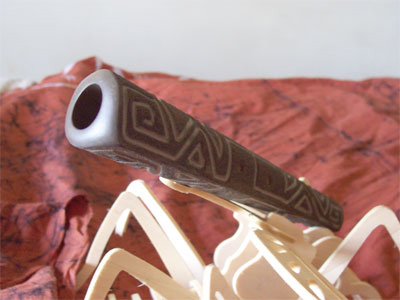
Chillum
Charas was outlawed in India in the 1980s under pressure from the USA. At the time, possession of charas was punishable by up to 10 years' imprisonment. These laws have since been relaxed, but charas remains a popular way for police to extort a few rupees from consumers. Charas was also produced and sold in Nepal in state-run stores until international pressure became too great in the 1970s.
Today, charas is readily available in certain tourist-oriented regions of India (Goa, Delhi, Rishiskesh, Varanasi, etc.). Some Amsterdam coffeeshops sometimes receive deliveries alongside other types of hashish ; If you look hard enough, you'll easily find some.
Bonus : the Strain Hunters expedition to India, where you can see charas being made (from 19 minutes)










The Brazilian medical cannabis market continues to grow

Morocco: Three Cannabis-Based Medications Approved for the Treatment of Epilepsy

Canopy Growth Receives New EU-GMP Certification to Strengthen Its Presence in Europe

Three years after legalizing medical cannabis, Albania continues to establish regulations for it

The first plant-based medical THC spray arrives in the United Kingdom

Medical Cannabis in Germany: THC Prices Vary by a Factor of 12

France already has 3,000 cannabis retail outlets. None of them are legal.

Morocco's exports of legal cannabis have expanded to 15 countries

Aurora Cannabis Doubles Its Production Capacity in Germany

Tilray is accelerating its operations in Europe thanks to a license in Portugal
-
 Business2 weeks ago
The legal cannabis market in New York exceeds 4 billion $ in revenue
-

 Cannabis in France4 weeks ago
Which countries legalized medical cannabis before France?
-
Business4 weeks ago
South Korea is preparing to begin local production of medical cannabis to meet rising demand
-
Cannabis in France4 days ago
France already has 3,000 cannabis retail outlets. None of them are legal.
-
Cannabis in Thailand4 weeks ago
From the boom in dispensaries to a purely medical approach: Thailand is revising its cannabis policy
-
Cannabis in the U.S.5 days ago
A DEA report confirms that there are no fatal cannabis overdoses
-
Cannabis and driving3 weeks ago
Medical Cannabis and Driving: New South Wales Ends Automatic Penalties for THC
-
Cannabis in France3 weeks ago
France’s Drug Policy Chief Defends Cannabis Prohibition... and Runs Into the Facts















You must be logged in to post a comment Login