
Full-spectrum extracts
A cannabis concentrate that preserves the full range of cannabinoids and terpenes found in the raw cannabis plant. The goal of a full-spectrum extract is to maintain the complex range of desirable compounds in a cannabis plant without altering them through decarboxylation or oxidation. Full Spectrum Cannabis Oil (FSCO) and Full Extract Cannabis Oil (FECO) are common terms synonymous with full-spectrum extract.
Popular extracts that can be considered full-spectrum include sauce, fresh resin, and’high-terpene, full-spectrum extract (HTFSE) and high-cannabinoid-content full-spectrum extract (HCFSE).
What does «full spectrum» mean?
In its raw state, each cannabis cultivar has its own unique profile of cannabinoids and terpenes, which—along with other compounds—contribute to its therapeutic effects. These compounds are produced in the plant’s lipid- and fat-based trichomes. A full-spectrum extract is a type of cannabis concentrate designed to capture all the therapeutic compounds from the raw cannabis plant at the time of processing, excluding the lipids and fats that hold these compounds together but have no medicinal effects.
In the context of cannabis, the term “spectrum” is used to describe the range of compounds produced by the plant’s trichome glands that have the potential to produce therapeutic effects. In other words, “full spectrum” refers to the complete range of compounds produced by the trichome glands.
The goal of a full-spectrum extract is to capture all the available compounds from the trichomes without altering them, while leaving behind the unwanted fats, waxes, and lipids that hold the desirable compounds together.
The cannabis plant can produce more than 400 compounds. In addition to the well-known cannabinoids (THC, CBD, THCA, etc.), the cannabis plant produces a wide range of compounds that may have therapeutic uses. These therapeutic compounds include aromatic terpenes, flavonoids, proteins, phenols, and esters. A full-spectrum extract aims to capture and preserve each of these compounds for human consumption.
For example, a full-spectrum CBD extract is designed to preserve the other compounds in the cannabis plant, including traces of the psychotropic cannabinoid THC. In this case, the biggest benefit of using cannabidiol oil (CBD) compared to a broad-spectrum CBD isolate—both of which remove THC during the extraction process—is a phenomenon commonly known as the «entourage effect.» This term is used to describe the highly beneficial synergistic relationship between different cannabinoids, terpenes, and other compounds when they are combined.
Each cultivar—or cultivated variety—of the cannabis plant produces a unique chemical profile, the production and expression of which are strongly influenced by the environment. Terpene content, for example, is largely inherited, whereas the total terpene yield per unit weight of plant tissue depends much more on environmental factors. Each unique chemical profile constitutes the unique spectrum offered by a given cultivar. This is why it is possible for two plants of the same cultivar to have different chemical profiles, particularly when they are subjected to different environmental stresses during cultivation.
One of the most important characteristics of a full-spectrum cannabis extract is that it preserves the nature of the extracted compounds. The acid forms of the cannabinoids present in the plant (THCA, CBDA, CBGA) are not decarboxylated during the process.
Decarboxylation occurs when a compound loses carbon atoms and releases carbon dioxide, either due to heat or prolonged exposure to environmental stress. The THCA, for example, does not produce intoxicating effects until it is decarboxylated into the active compound, THC. However, cannabinoid acids can decarboxylate on their own into neutral forms, depending on the conditions of the drying and storage processes. Acid cannabinoids may offer therapeutic benefits different from those of their neutral counterparts, so users may prefer not to use extracts that have been decarboxylated.
Full-spectrum extracts preserve cannabinoids in their acid form.
How the spectrum changes during cultivation and after harvest
The cannabis plant produces a constantly evolving array of compounds as it grows. Cannabinoids and terpenes are produced in the trichome through biosynthesis, a process in which enzymes catalyze a series of chemical reactions to produce complex molecules from simple (smaller) molecules. Think of enzymes as tiny biological machines that use chemical energy rather than mechanical energy to build structures—namely, terpenes and cannabinoid acids.
These compounds begin to change once the plant is harvested, altering the spectrum of available compounds. Terpenes, for example, are either oxidized and converted into terpenoids or lost during the drying process. When cannabis is dried and processed, the terpene molecules are oxidized, and the terpene becomes a terpenoid.
Studies have shown that more than 30 % of the monoterpenes (terpenes with two isoprene units—as opposed to the three isoprene units in sesquiterpenes, the four isoprene units in diterpenes, and so on) produced during the flowering phase are lost during the drying process. This loss of monoterpenes alters the spectrum of compounds available in dried and cured cannabis. This tells us that the full spectrum of available compounds is actually relative to the point at which these compounds are eliminated.
Let’s say you harvest a Sour Diesel plant and divide it into two halves. You freeze the first half to preserve all the compounds that were present at the time of harvest. This ensures that none of the temperature-sensitive terpenes are lost. The second half is dried and processed using traditional drying methods.
During this process, we lose some of the terpenes, and what remains will most likely be altered by oxygen to some extent.
At this stage, the two halves have different spectra of compounds ready for extraction. If an extractor were able to remove all the compounds from each half, both could be labeled as a full-spectrum extract, even though they do not have the same available spectrum.
The first product could be considered a full-spectrum extract from fresh resin, while the second could be labeled as a full-spectrum extract from dried seeds or whole plants.
The spectrum of available compounds varies considerably from one cultivar to another, and its chemical composition depends largely on when it was extracted from the plant. Genetic and environmental factors play a significant role in determining the spectrum of compounds ultimately expressed by a given cultivar.
Plant material and its effect on the spectrum
Which extracts are considered full-spectrum?
The term «full-spectrum extract» is used quite frequently to describe a variety of popular extracts. You may have heard, for example, of full-spectrum cannabis oil (FSCO) or full-extract cannabis oil (FECO). Perhaps you’ve heard of both and wondered what the difference between them is.
In reality, these terms generally have the same meaning and are used as synonyms for the phrase «full-spectrum extract.» CSFO and FECO oil are simply different terms used to describe an extract that preserves the full spectrum of compounds found in the raw plant. In the wellness market, this type of extract is often blended with a carrier oil to create a full-spectrum CBD oil.
Let’s now take a look at other cannabis concentrates that are often labeled «full-spectrum extracts» and see if they meet the criteria:
Sauce
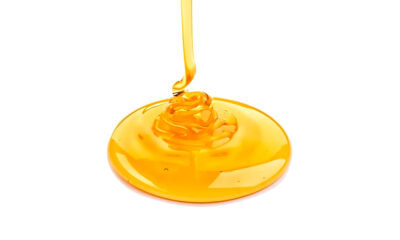
The sauce (or terp sauce Terp (as it is often called) is a non-uniform extract with a liquid, sticky consistency. It is completely devoid of the plant’s lipid-rich outer layer and contains most, if not all, of the plant’s available compounds. Sauce extracts contain high levels of terpenes, which make them exceptionally flavorful.
The sauce may be a full-spectrum product, but this is not guaranteed. Although it may be free of plant fats and waxes, the solvent extraction process may alter some of the available compounds. The alteration or loss of compounds during extraction would technically deprive the sauce of its full-spectrum status, but even a sauce that is not full-spectrum will come exceptionally close to retaining all the available compounds from the raw plant.
Live resin
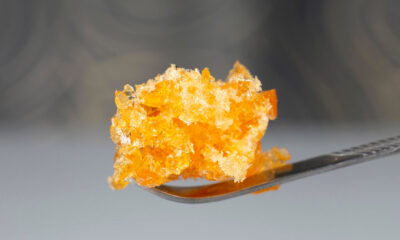
Extracts made from plant material that was frozen immediately after harvest are considered to be live resin. Their goal is to preserve the full spectrum at harvest time and to produce an aroma as potent as that of a living plant.
The label «Live Resin Full Spectrum Extract» explicitly informs the consumer that the extract contains all the compounds that were present at the time of harvest. These extracts are considered the most flavorful and aromatic concentrates on the market. There is no guarantee that live resin is a full-spectrum extract, but since it contains extracted monoterpenes that are typically lost during the drying process, live resin extracts will always contain a higher proportion of monoterpenes than any other extract.
What do “high terpene full spectrum extract” (HTFSE) and “high cannabinoid full spectrum extract” (HCFSE) mean?
High Terpene Full Spectrum Extract (HTFSE) and High Cannabinoid Full Spectrum Extract (HCFSE) refer to the two fractions that result when a full-spectrum extract is produced from dried flowers. HTFSE consists of approximately 50% of THCA and 13% to 40% of terpenes. Full-spectrum extracts from cannabinoids High-potency strains consist of approximately 90 % of THCA. Although the spectrum of an HTFSE or HCFSE is not the same as that of a living plant, it is still considered full-spectrum because it captures all the compounds available at the time of extraction.
Rick Simpson Oil
The Rick Simpson Oil (RSO) is a potent, unrefined cannabis oil extracted using ethanol or naphtha, named after the Canadian engineer who created it.
FECO vs. RSO – Is RSO full-spectrum?
RSO is not a full-spectrum extract, although it is often mistakenly labeled as such. Although the extract contains nearly all of the compounds available in the trichomes, the process of applying heat to remove the solvent decarboxylates the major cannabinoid acids into their neutral forms and may potentially alter the terpenes.
The RSO extraction process also uses solvents at room temperature, which allows for the removal of all fats and waxes from the plant. These are the two main reasons why RSO is not considered a full-spectrum extract, according to this strict interpretation of the term, although it remains an incredibly useful extract that can benefit many medical marijuana patients.










Which countries legalized medical cannabis before France?

From the boom in dispensaries to a purely medical approach: Thailand is revising its cannabis policy

South Korea is preparing to begin local production of medical cannabis to meet rising demand

In the United States, cannabis use among high school students has reached an all-time low

Medical cannabis use surges by 64 % in Denmark

Canopy Growth Enters the U.K. Market with Four Canadian Strains

CBD: Full-Spectrum Extracts Under Threat in Greece

Medical Cannabis and Back Pain: Opioid Use Has Dropped by 90 % in 10 Years

Cannabis: Wisconsin Could Finally Legalize It in 2027

