

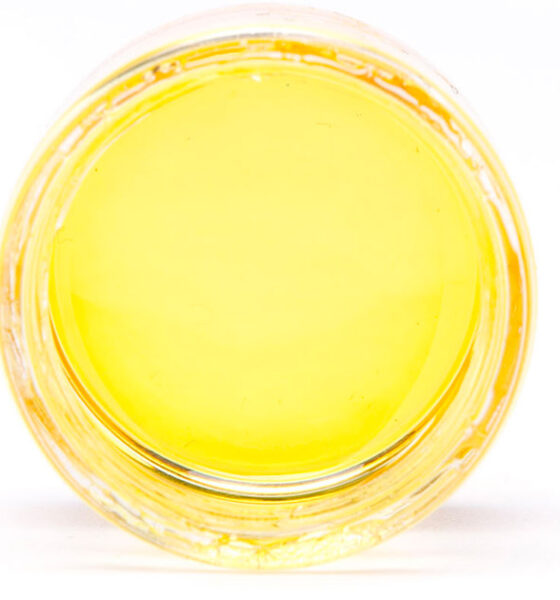
EHO (Ethanol Hash Oil): definition, distillate and comparison with BHO
L’EHO (Ethanol Hash Oil) is a cannabis concentrate produced by extraction with ethyl alcohol. This is technically the same process used for RSO (Rick Simpson Oil), but with varying levels of refining and purification depending on the final objective, from a dark crude oil to a clear, highly concentrated distillate.
Ethanol is a solvent polar, unlike butane or propane, which are non-polar. This fundamental property has a direct impact on what it extracts.
How ethanol extraction works
Ethanol dissolves both cannabinoids (apolar) and many undesirable water-soluble compounds: chlorophyll, plant waxes, sugars, pigments. This is the main challenge of ethanol extraction compared to BHO or PHO: raw EHO is «dirtier» in terms of unwanted compounds extracted.
To limit this extraction of undesirable compounds, professional extractors use a key technique: cryogenic extraction (QWET - Quick Wash EtOH). Cannabis and ethanol are cooled to very low temperatures (-40°C to -70°C or even lower) before and during extraction. At these temperatures, the solubility of waxes and chlorophylls in ethanol drops drastically, while cannabinoids remain soluble. The result: a much cleaner extract, with less post-treatment required.
Textures and products from EHO
Unlike the BHO which naturally produces rigid textures (shatter) or creamy (budder), EHO mainly produces oils and distillates,fluid to semi-fluid concentrates. The main forms :
Crude oil Chlorophyll: unrefined first extraction, dark green-brown color due to extracted chlorophyll. Used as raw material for further processing.
RSO / Rick Simpson oil Unrefined hot-ethanol EHO, very dark in color. Rich in cannabinoids and chlorophyll, consumed mainly orally or topically.
Distillate EHO refined by molecular or short-path distillation (short path distillation). The result is a translucent, almost colorless oil with very high THC or CBD content (85-95%), but terpene-free, These are destroyed by the heat of distillation. Terpenes are often reintroduced artificially afterwards.
Full-spectrum cryogenic EHO EHO produced by QWET, filtered and lightly evaporated. Preserves a better terpene profile than the distillate. This is the EHO most appreciated by connoisseurs.
EHO vs BHO vs PHO: comparison
| EHO | BHO | PHO | |
|---|---|---|---|
| Solvent | Ethanol | Butane | Propane |
| Polarity | Fleece | Non-polar | Non-polar |
| Chlorophyll extraction | Yes (if hot) / No (if cryo) | No | No |
| Typical textures | Oil, distillate, RSO | Shatter, wax, budder | Budder |
| Terpene profile | Low (distillate) / Good (cryo) | Good to excellent | Excellent |
| Typical THC | 60-95% (depending on refining) | 60–90% | 60–90% |
| Security | Moderate risk (flammable at 13°C) | High risk | High risk |
| Medical use | Widespread (RSO, distillate) | Less common | Rare |
Advantages and disadvantages of EHO
Advantages :
Ethanol is less dangerous to handle than butane or propane - its flammability point is 13°C (vs -60°C for butane), making it easier to manage in semi-open circuits with the appropriate precautions. It is readily available (food-grade ethanol, 95° alcohol), and its extraction equipment is less costly than that for closed-loop systems BHO. It is the reference solvent for the industrial production of CBD for full-spectrum and broad-spectrum CBD oils.
Disadvantages :
Hot extraction extracts chlorophyll and plant waxes, requiring a heat treatment step. winterization (cold filtration in ethanol to precipitate and remove waxes) prior to purification. Molecular distillation destroys terpenes, This produces a powerful but aromatically depleted extract. To obtain an EHO of comparable quality to BHO in terms of terpene profile, cryogenic extraction is essential - which requires specific cooling equipment.
EHO consumption
Depending on its final form, EHO is consumed differently: RSO is used orally or topically; distillate is used in vaporizer cartridges or capsules; cryogenic full-spectrum EHO can be consumed in dabbing. The distillate is also the basic ingredient in most edibles on legal markets.









CBD is said to promote athletic recovery, without improving performance

294 cannabis clubs in Chile: a booming movement with uneven distribution

Chronic Sciatica: New York Approves First Clinical Trial of a THC-Based Medication

United States: The DEA is accelerating the integration of medical cannabis at the federal level

Florida is nearing one million patients using medical cannabis

Uruguay Revives Its Plan to Allow Tourists to Legally Access Cannabis

In Brazil, researchers are developing an innovative CBD eye drop

Autism: Medical Cannabis Is Linked to Reduced Anxiety

The $28 billion U.S. hemp market remains under threat

