Phytocannabinoid
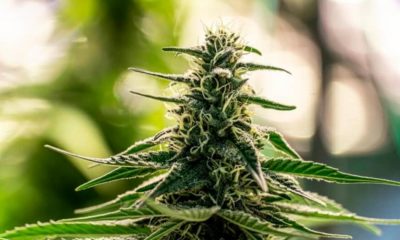
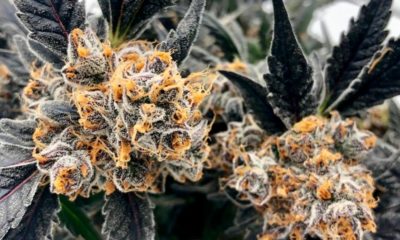
Phytocannabinoids are the cannabinoids present in the cannabis plant itself. These natural cannabis compounds - such as THC and CBD - are produced in the resinous trichomes of the cannabis plant and interact directly with the receptors of the endocannabinoid system to produce a range of physical and mental effects. Phytocannabinoids are distinct from endocannabinoids, which are naturally present in the bodies of humans and animals.
«The phytocannabinoid THC is responsible for the psychoactive effect of cannabis.»
What are phytocannabinoids?
Phytocannabinoids, more commonly known as cannabinoids, are compounds naturally produced by the cannabis plant. Together with terpenes, They produce a myriad of therapeutic effects and are responsible for the «high». The two most widespread and well-known phytocannabinoids are THC and the CBD, but there are more than 100, including the CBG, the THCV, the CBN and many others.
Phytocannabinoids are responsible for a variety of effects on a person's body, as they bind to CB1 and CB2 receptors of the endocannabinoid system throughout the body, often with anti-inflammatory, analgesic and anxiolytic effects.
Most living organisms naturally produce compounds called endocannabinoids that help regulate various bodily functions such as appetite, sleep and immunity, but these are not phytocannabinoids - phytocannabinoids refer only to cannabinoids produced by plants.
What's the difference between phytocannabinoids and cannabinoids?
The term cannabinoid refers to a broad class of chemical compounds produced by many biological species. Generally speaking, these chemicals help to regulate and balance a number of biological functions.
The world of cannabinoids can generally be divided into two broad categories: phytocannabinoids and endocannabinoids. The difference between the two is simple. Phytocannabinoids are produced by plants, while endocannabinoids are produced by mammals.
Endogenous cannabinoids, or endocannabinoids, are cannabinoids produced within the mammalian body. Each of our body's functions requires a specific balance of factors in order to function at its best. When this balance is achieved, we speak of homeostasis. Endocannabinoids play a major role in survival, helping the body to maintain homeostasis. As our bodies already use cannabinoid molecules to regulate many functions, we are intrinsically endowed with many targets that the cannabis plant can activate.
Endocannabinoids and phytocannabinoids are not necessarily structurally different. Both activate the body's ECS system by binding to cannabinoid receptors. Endocannabinoids activate a homeostatic effect, bringing the body to a state of balanced health. They are produced by our cells on demand.
Phytocannabinoids have the ability to produce more overt medicinal effects and can compensate for the body's endocannabinoid deficiencies when triggering therapeutic responses. Phytocannabinoids are also capable of producing intoxication, which endocannabinoids alone cannot do.
Why does the plant produce cannabinoids?
The human body produces cannabinoids for survival, activating homeostasis. The cannabis plant also produces cannabinoids for survival, but in a much more direct response to external pressures. Phytocannabinoids, produced by the trichomes of the cannabis plant, cover the surface of the plant to defend it against environmental hazards such as predatory insects and harsh weather conditions.
Biosynthesis pathways
Cannabinoids are produced by biosynthesis, in which enzymes trigger a series of chemical reactions that create complex molecules from simple ones. The cannabinoid-producing enzymes with which most of us are familiar are cannabidiolic acid (CBDA) synthase, cannabichromenic acid (CBCA) synthase and tetrahydrocannabinolic acid (THCA) synthase. These enzymes take the central cannabinoid precursors, cannabigerovaric acid (CBGVA) and cannabigerolic acid (CBGA), and convert them into the acid cannabinoids CBDA, CBCA and THCA.
These cannabinoids can be further modified by decarboxylation. When a chemical compound decarboxylates, it loses carbon atoms and releases carbon dioxide, either through heat or prolonged exposure to environmental stress. THCA and CBDA decarboxylate into THC and CBD, respectively, and only then do they exhibit psychoactive effects. THC, CBD and other neutral cannabinoids can then be metabolized or broken down into other cannabinoids by oxidation or exposure to oxygen. CBD, for example, can be oxidized to the following metabolites cannabielsoin (CBE) and cannabidinodiol (CBND).
How do phytocannabinoids interact with the endocannabinoid system?
The ECS helps the body maintain functional balance through its three main components: the «messenger» molecules our bodies synthesize, the receptors to which these molecules bind, and the enzymes that break them down. Pain, stress, appetite, energy metabolism, cardiovascular function, reward and motivation, reproduction and sleep are just some of the functions influenced by the endogenous cannabinoid system.
Cannabinoid receptors belong to one of two categories: CB1 and CB2.
The CB1 receptors are mainly found in the central nervous system, where they regulate a wide variety of brain functions. In fact, they are the most widely expressed protein of this type in the brain. The main role of CB1 receptors is to control the timing and frequency of the release of other neurotransmitters, such as serotonin, dopamine and glutamate.
The CB2 receptors are mainly found on immune cells, which circulate throughout the body and brain via the bloodstream. They are also found on neurons in selected areas of the brain. CB2 receptors regulate immune responses, including pain and inflammation. Phytocannabinoids interact with the endocrine system by binding to these receptors, which in turn trigger a regulatory response in the body.
Each person's endocannabinoid system is unique. Endocannabinoid production rates vary enormously, as do the number of cannabinoid receptors in our bodies. Prolonged cannabis use leads to a reduction in the number of CB1 receptors available for activation in the brain. Using human brain imaging, we can observe that just 48 hours of cannabis abstinence is enough to resensitize the system and bring CB1 protein expression back to a level comparable to that of non-cannabis users.
The entourage and ensemble effect
Cannabis contains hundreds of molecules that have the ability to interact directly with our bodies and minds. Cannabinoid molecules are relatively unique to the cannabis plant, but other plant-derived molecules, such as flavonoids and terpenes, also bind to our cells and influence our experiences. All these cannabis-derived molecules act in synergy with each other, which can enhance the most desirable effects. Terpenes, for example, are an essential piece of the cannabis puzzle due to their ability to support, and even enhance, the therapeutic potency of cannabinoids such as THC and CBD. This potentiated relationship between cannabis compounds is known as the’entourage effecte or ensemble.
The term «entourage effect» was coined by Israeli researcher Dr Raphael Mechoulam to explain how a combination of cannabis compounds is more effective than an isolated compound. More recently, the term «entourage effect» has been used to more accurately describe how phytocannabinoids, terpenes and other cannabis compounds work together, rather than letting one type of cannabinoid lead the charge while the others follow, as the word «entourage» implies.
Main phytocannabinoids and their potential health benefits
The benefits of phytocannabinoids include a wide range of medicinal and therapeutic applications. Although much research remains to be done, a significant number of scientific studies suggest that phytocannabinoids can reduce pain, anxiety and inflammation, and offer other health benefits.
Here are some specific phytocannabinoids, along with some of their health and well-being properties.
Delta-9-THC
As an activator of the CB1 receptor, delta-9-tetrahydrocannabinol - commonly known as THC - is the main intoxicant component of cannabis. THC intoxication has been shown to increase blood flow to the prefrontal cortex, the brain region responsible for decision-making, attention, motor skills and other executive functions. The exact nature of THC's effects on these functions varies from person to person. When THC binds to CB1 receptors in the brain's reward system, it can trigger feelings of euphoria. Much of THC's ability to relieve pain is due to its interaction with CB1 receptors in the midbrain.
THCA
Tetrahydrocannabinolic acid (THCA) is the most common cannabinoid found in the raw cannabis plant. THCA is non-toxic, but turns into toxic THC when decarboxylated (by heat). Although much less well-known than THC, THCA has its own potential for treating inflammation, nausea and vomiting, as well as degeneration of the nervous system.
CBD
Cannabidiol (CBD), the second most abundant cannabinoid in cannabis, has many potential therapeutic benefits, including anti-inflammatory, analgesic, anti-anxiety and anti-epileptic properties. Cannabidiol can be derived from both marijuana and hemp.
CBDA
Cannabidiolic acid (CBDA) is converted into CBD by decarboxylation (heating). If you make raw cannabis juice or consume the plant in any other raw form, you are ingesting CBDA, not CBD. Scientists are still studying the effects of CBDA, but animal studies suggest that it could be an effective anti-tumor, anti-nausea and anti-inflammatory agent.
CBDV
Cannabidivarin (CBDV) is a relative of CBD; both are derived from the cannabinoid precursor CBGVA. CBDV has been found to possess antiepileptic and anticonvulsant properties.
CBDVa
Cannabidivaric acid (CBDVA) is the acid form of CBDV found in raw cannabis.
CBG
Cannabigerol (CBG) is a decarboxylated form of CBGA. CBG binds weakly to CB1 and CB2 receptors. It also inhibits anandamide, an endogenous cannabinoid known as the «bliss molecule». CBG is currently being studied for its potential to stimulate appetite and treat Huntington's disease and irritable bowel disease, as well as for other health benefits.
CBN
Cannabinol (CBN) is a degraded form of THC, commonly found in old or aged cannabis. CBN is still mainly referred to as a powerful sleep aid, although research has shown no such results in humans. It does, however, have potential in the fight against pain, bacteria, inflammation and convulsions, and has been shown to stimulate appetite and bone cell growth.
CBC
Cannabichromene (CBC) is the decarboxylated form of cannabichromene carboxylic acid (CBCA). CBC can relieve pain and strengthen the neural cells that contribute to brain function.
THCV
Tetrahydrocannabivarin (THCV) is generally present in cannabis only in trace amounts, but may contribute to the anti-epileptic and anticonvulsant effects of cannabis. Although research is still ongoing, THCV could also be useful in the treatment of obesity.
THCVA
Tetrahydrocannabivaric acid (THCVA) is the acid form of THCV. Further research is needed to fully understand its potential effects.
Delta-8-THC
As its name suggests, the delta-8-THC is a close relative of the better-known delta-9-THC. It differs from delta-9-THC only in the presence of an atomic double bond. Further research is needed to discern the exact differences between delta-8-THC and delta-9, but initial studies indicate that the former is less intoxicating.
Chemotypes
There is an uncertain number of phenotypes or chemotypes, of cannabis. A cannabis chemotype represents the chemical profile of a cannabis plant, i.e. its cannabinoid and terpene content.
Cultivated variety chemotypes
Selection led to the expression of a predominance of THC and CBD in most of the cultivars. However, research into the chemotypes of today's cultivars suggests that a cultivated variety does not necessarily express a unifying chemotype, but may instead exhibit a spectrum of chemotypes. In other words, two plants of the same cultivar may have slightly different chemical expressions. A recent study on the expression of cannabinoids and terpenes in a wide range of plant samples concluded that classifying cannabis according to cannabinoid and terpene content would be more efficient than our current indica/sativa/hybrid taxonomy to identify the best medical uses for a given cultivar.
Landrace variety chemotypes
A landrace is a cannabis plant cultivated in its environment and geographical region of origin. Acapulco Gold, Panama Red, Afghanistan and Durban Poison are considered examples of original cannabis strains domesticated for traditional cultivation. The cannabinoid profiles of these strains represent an approximation of the cannabinoid profiles that nature intended before man intervened with intensive selection. Some landrace (or wild) cannabis subspecies are thought to have produced low levels of THC, while other subspecies may have produced high levels of THC.
What is phytocannabinoid-rich hemp?
Phytocannabinoid-rich hemp is simply hemp with its full range of organically-derived phytocannabinoids intact. Phytocannabinoid-rich hemp (PCR) is also known as full-spectrum or whole-plant hemp.
In many ways, the main characteristic of hemp, as opposed to cannabis, is that hemp plants don't produce much THC. So hemp plants rich in phytocannabinoids don't have the same cannabinoid concentrations as other cannabis plants. But consuming all the phytocannabinoids together, rather than isolating components like CBD, produces an entourage, or ensemble, effect that enhances the plant's medicinal potential. Cannabis also has its own entourage effect, or ensemble effect, with different cannabinoids acting together to enhance the plant's effects.
Interestingly, since hemp contains less than 0.3 % THC, it falls into a different legal category from cannabis. Specifically, it is no longer considered an illegal substance. As a result, it is legal to grow hemp plants and produce hemp-based products such as CBD, CBD oil, phytocannabinoid hemp oil and other products that contain potentially beneficial phytocannabinoids without much THC.
Phytocannabinoid products
Isolates and concentrates
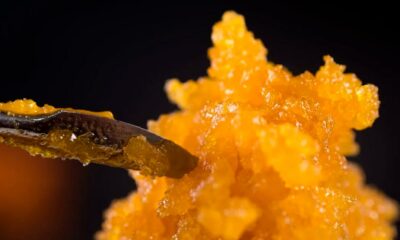
Concentrates have taken the cannabis world by storm in recent years. Cannabis concentrates isolate and accumulate all the most desirable properties of cannabis trichomes - namely cannabinoids and terpenes - in a single product. You may have heard of or used full-spectrum extracts, sauces or distillates. All these products are forms of cannabis concentrates.
Isolates, or extractions of a single phytocannabinoid or terpene, have also become more important in the natural medicine arena. Crystalline THCA, for example, has become a popular cannabis isolate in recent years. The THCa crystalline and other cannabinoid isolates are pure concentrations of a single cannabinoid and, therefore, may not be as potent as an extract containing a full spectrum of cannabis compounds. Without terpenes and other compounds in the mix, there is no possibility of benefiting from the overall effect.
Infused in cannabis products
Thanks to advances in the culinary art of cannabis and the emergence of distillate, you can find a wide choice of high-quality baked goods, drinks and treats infused with cannabis flower or concentrate. The consumption of’cannabis-infused edibles is easy and intuitive, offering the effects of phytocannabinoids and other cannabis compounds without having to smoke or vaporize them.
Edibles are absorbed through the digestive system, resulting in a delayed effect compared to inhalation and sublingual administration. Absorbed compounds are metabolized in the liver, which converts THC into a compound called 11-hydroxy-THC. This form of THC is more potent and generally more sedative than smoked THC. The absorption of phytocannabinoids by the liver means that edibles have their own distinct effect in most people. The onset process can take between 45 and 180 minutes, while the duration of effects can vary.
Cannabis tinctures - concentrated extracts suspended in a liquid, most often alcohol or glycerine - are have become very popular medicines between the middle and end of the 19th century, when Western medicine adopted the use of medical marijuana. In the 1890s in particular, medical cannabis reached its peak in Europe and the USA, mainly in the form of extracts and tinctures.
Tinctures are making a comeback following legalization in many parts of the world due to users' ability to administer constant doses - the same reason they were popular in the 19th century. Sublingual sprays and capsules have become popular forms of tincture ingestion. Tinctures are sometimes described as phytocannabinoid diols. A diol is simply a specific type of alcohol, and in the context of cannabis products, it's essentially an alcohol-based extract.
The topical products are cannabis-infused products applied to the skin in the form of lotions, oils, patches, sprays, soaps, lubricants, bath salts and cool or hot balms. Topical products allow cannabinoids to be absorbed into the bloodstream at a slower rate than if cannabis were smoked or eaten, so their effects are usually felt only where they are applied, without the kind of stimulation that causes intoxication. Topical products often include essential oils and other organic materials.
















JIHE 2026: Japan’s Largest Trade Show Dedicated to Hemp and CBD Returns to Tokyo with More Than 100 Industry Players

New Caledonia: The Courts Clear the Way for the Return of CBD

The Brazilian medical cannabis market continues to grow

Morocco: Three Cannabis-Based Medications Approved for the Treatment of Epilepsy

Canopy Growth Receives New EU-GMP Certification to Strengthen Its Presence in Europe

Three years after legalizing medical cannabis, Albania continues to establish regulations for it

The first plant-based medical THC spray arrives in the United Kingdom

Medical Cannabis in Germany: THC Prices Vary by a Factor of 12

France already has 3,000 cannabis retail outlets. None of them are legal.

