
Cannabis topicals: creams, balms, patches and how they work
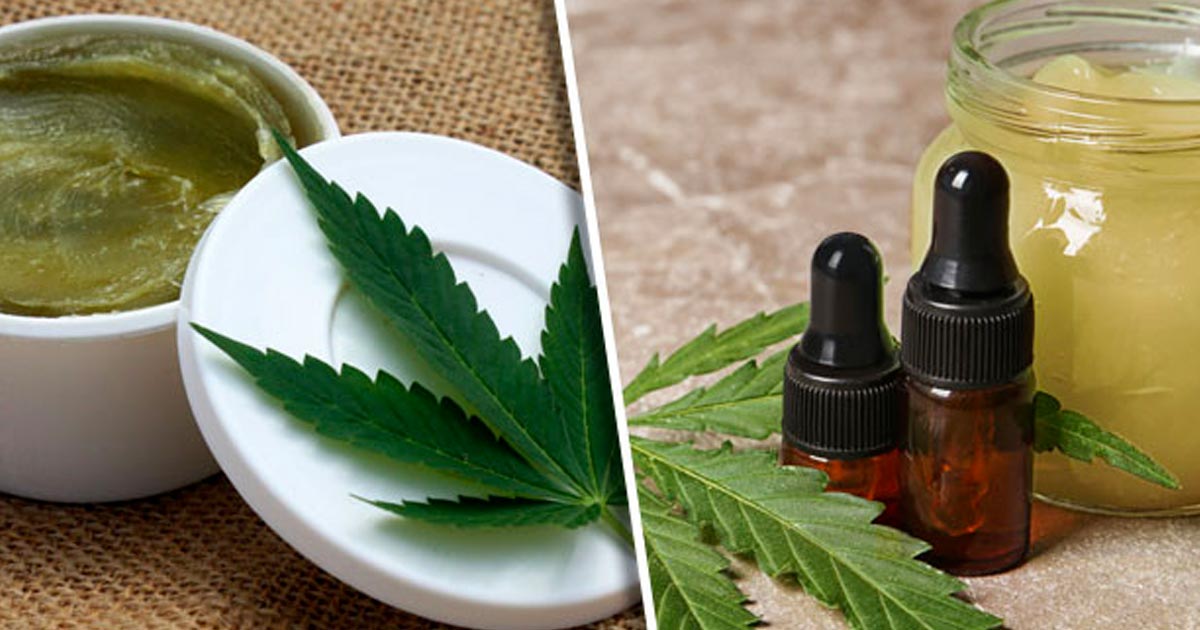
A cannabis topical is a product applied directly to the skin - lotion, cream, balm, oil, gel, spray or patch, containing cannabinoids as the CBD, the THC or the THCA. Their distinctive feature is that they act locally on the area of application, without producing psychoactive effects in the vast majority of cases, making them a therapeutic option accessible to a wide audience.
The different forms of cannabis topicals
Cannabis topicals come in a wide variety of formulations, each with its own characteristics.
| Shape | Mode of action | Absorption speed | Psychoactivity |
|---|---|---|---|
| Cream / lotion | Local (skin) | Average | No (CBD/THCA) |
| Balm / ointment | Local (skin) | Slow | No |
| Massage oil | Local (skin) | Average | No to low |
| Spray | Local (skin) | Fast | No |
| Topical patch | Local (skin) | Slow and prolonged | No |
| Transdermal patch | Systemic (blood circulation) | Slow but total | Possible (THC) |
| Lubricant | Mucous membranes | Fast | Possible (THC) |
| Suppository | Mucous membranes | Fast | Possible (THC) |
Topical vs. transdermal: an important distinction
These two terms are often confused, but refer to fundamentally different mechanisms of action.
A topical acts locally: cannabinoids penetrate the superficial layers of the skin and bind to CB1 and CB2 receptors present in the cutaneous, muscular and nervous tissues of the treated area. They do not reach the bloodstream in significant quantities, which explains the absence of psychoactive effects.
A transdermal patch is designed to allow cannabinoids to cross the complete skin barrier and reach the bloodstream - like a nicotine patch. This method allows slow, prolonged systemic dosing, but implies that THC enters the bloodstream and can therefore produce psychoactive effects and trigger a positive screening test.
The majority of CBD creams and balms sold in France are topical in the strict sense - they don't reach the bloodstream and create no psychoactive effects. THC-based transdermal patches remain mainly available on the American and Canadian legal markets.
How do cannabis topicals work?
The endocannabinoid system (SEC) regulates numerous biological functions - appetite, mood, pain, inflammation. It is present throughout the body, including in the skin, which contains CB1 receptors and CB2.
When a cannabis topical is applied, cannabinoids bind directly to these local receptors:
- The CB1 receptors in skin and nerve tissue modulate local pain perception.
- The CB2 receptors in immune tissue regulate inflammation.
This local interaction explains why topicals can relieve pain, inflammation or skin irritation without passing through the brain - and therefore without psychoactive effects.
Effects and potential indications
Pain and inflammation : cannabis/CBD topicals show promising results for local management of muscle, joint and inflammatory pain. A 2019 review published in Journal of Dermatological Treatment (Icahn School of Medicine at Mount Sinai) calls cannabinoids a promising alternative to traditional treatments.
Skin disorders Cannabinoids have antioxidant and anti-inflammatory properties that can reduce itching, signs of aging and potentially alleviate certain inflammatory skin conditions such as eczema or psoriasis. The research is still preliminary, but the results are encouraging.
Headaches and migraines When applied to the temples, some cannabis-based topicals have shown a localized analgesic effect in preliminary studies.
Intimate use Lubricants and suppositories containing CBD or THC can provide comfort and relaxation. THC-containing products applied to the genital mucosa (which is highly vascularized) may produce slightly psychoactive effects due to rapid absorption - take this into account.
Cannabinoids used in topicals: CBD, THC or THCA?
CBD The most widely used cannabinoid in consumer topicals. Non-psychoactive, with documented anti-inflammatory and antioxidant properties. Legally marketable in cosmetics in France.
THC Psychoactive by systemic route, but not necessarily by local cutaneous application. May be present in certain premium topicals on the legal market to reinforce the analgesic effect via CB1.
THCA THC: the acidic, non-psychoactive form of THC found in fresh plants. Non-decarboxylated, it produces no psychoactive effects, even when applied topically.
Action times and duration
The effects of topicals vary according to formulation and area of application. Some products work almost instantly (sprays, light oils), while others may take 30 to 60 minutes (thick balms, creams).
The duration of action is generally 4 to 6 hours for most topicals. Transdermal patches offer a longer, more prolonged action (8 to 24 hours, depending on formulation).
Topicals and screening tests
The vast majority of CBD topicals do not trigger a positive drug test, as the cannabinoids do not reach the bloodstream in detectable quantities. On the other hand THC-based transdermal patches can trigger a positive test, as THC actually enters the bloodstream. If you are being tested, avoid any topical products containing THC, even in small quantities.











France already has 3,000 cannabis retail outlets. None of them are legal.

Morocco's exports of legal cannabis have expanded to 15 countries

Aurora Cannabis Doubles Its Production Capacity in Germany

Tilray is accelerating its operations in Europe thanks to a license in Portugal

Boston will host the 10th annual State of the Cannabis Industry Conference on October 26

A DEA report confirms that there are no fatal cannabis overdoses

A British patient is challenging the NHS's refusal to reimburse medical cannabis

October 2026 CBD Highlights: 10 Strains and Hash to Discover from 5 French Producers

CBD in France: Traceability, Retail Stores, THC and Driving… What the New Bill Proposes

