Cannabis hydroponics: systems, parameters and comparison
L’hydroponics is a soil-less method of growing plants, in which the roots are fed directly by a nutrient-rich aqueous solution. Applied to cannabis, this is one of the most effective techniques for maximizing yields and precisely controlling growth, at the cost of greater technical skill and investment than growing in soil.
How does hydroponics work?
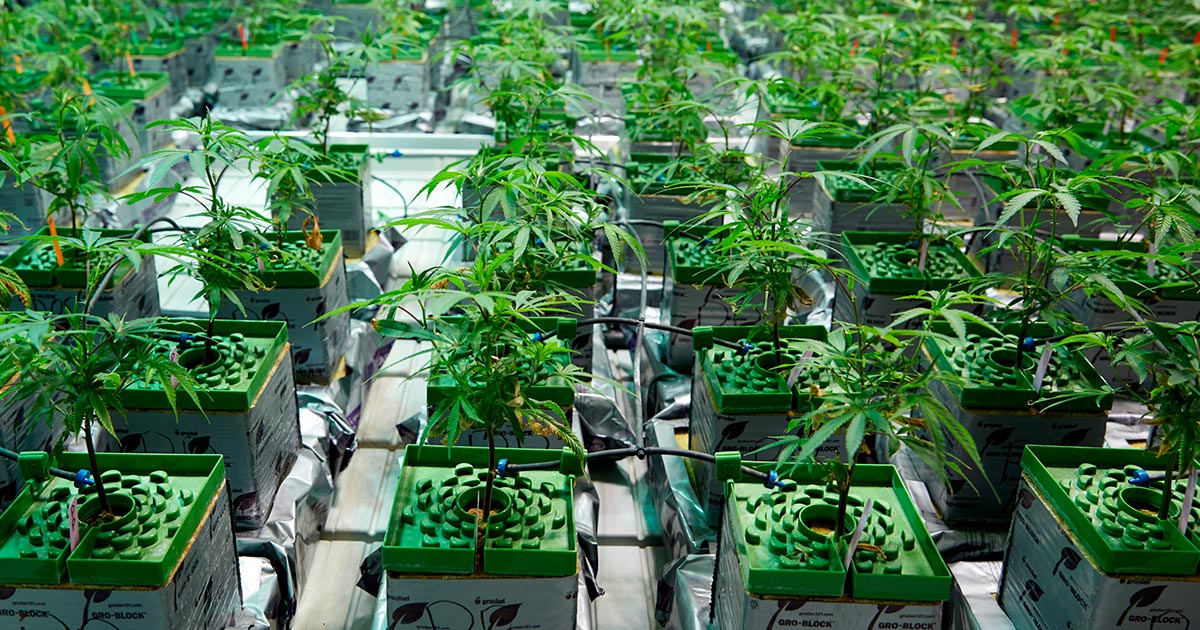
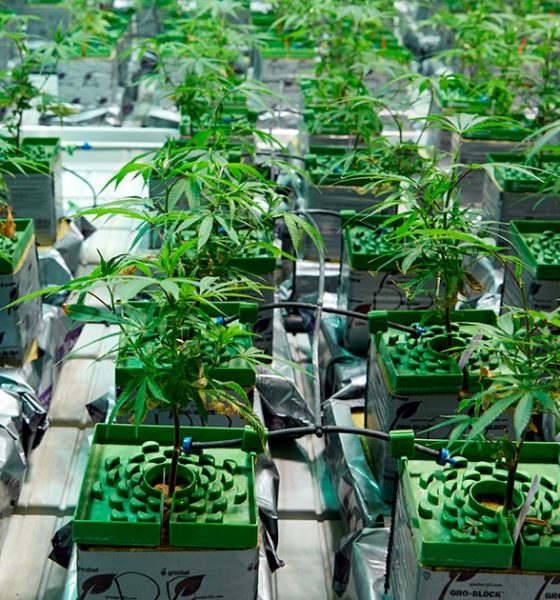
In hydroponics, the soil is replaced by a inert substrate (rockwool, clay balls, perlite, coco) or simply by the water itself. Roots are permanently or intermittently exposed to a nutrient solution, water enriched with macro- and micro-nutrients, which the grower precisely controls and adjusts.
As the plant no longer has to develop an extensive root system to seek nutrients in the soil, it can devote more energy to vegetative and floral growth. This is the main reason why hydroponically-grown plants generally grow faster and produce higher yields than conventionally-grown plants.
Hydroponic systems come in several types, depending on how the nutrient solution is delivered to the roots.
The main hydroponic systems
DWC, Deep Water Culture The roots are permanently suspended in a reservoir of water continuously oxygenated by an air pump. This is the simplest system to set up, ideal for hydroponic beginners. The HpLVd can spread easily via the shared water in this type of system.
NFT, Nutrient Film Technique A thin film of nutrient solution circulates continuously over the bottom of an inclined trough, bathing the root tips without completely immersing them. The upper roots remain exposed to the air, promoting optimal oxygenation.
Ebb & Flow The growing tray is periodically flooded with nutrient solution, then drained. Roots alternate between immersion and drying, which promotes oxygen uptake. Widely used in indoor cannabis cultivation.
Drip irrigation The nutrient solution is distributed directly to the base of each plant via drippers, in an inert substrate (rockwool, coco). Excess can be recovered and recirculated (closed circuit) or evacuated (open circuit).
RDWC, Recirculating Deep Water Culture DWC: advanced version of DWC where several tanks are interconnected with a central control tank. Allows multiple plants to be managed with a single pH/EC control point, but amplifies the risk of pathogen spread in the event of infection.
Aeroponics Hydroponics: a variant in which roots are suspended in the air and sprayed with fine droplets of nutrient solution. Technically distinct from pure hydroponics, but often classified in the same category.
Key parameters to control
Controlling the nutrient solution is at the heart of hydroponics. Two parameters must be constantly monitored:
The pH In cannabis hydroponics, the pH of the solution must remain between 5.5 and 6.2. Outside this range, nutrients become unavailable to the plant even if they are present in the water - this is the phenomenon of nutrient blockage. An electronic pH meter is essential. Recommended check: once or twice a day.
EC (electrical conductivity) EC: measures the concentration of nutrient salts dissolved in water. An EC too low leads to deficiencies, an EC too high to burns. For vegetative growth: 0.8 to 1.3 mS/cm. Flowering: 1.2 to 2.0 mS/cm, depending on variety.
Solution temperature : ideally between 18 and 22°C. Above 24°C, bacterial proliferation and pythiosis (root rot) accelerate considerably. A cooling pump may be necessary in summer.
Oxygenation Oxygen: roots need oxygen to absorb nutrients. An air pump with diffusing stones in the reservoir is indispensable in DWC, as other systems provide oxygenation through drainage.
Advantages and disadvantages
| Hydroponics | Earth | Aeroponics | |
|---|---|---|---|
| Growth | Fast | Standard | Very fast |
| Yield | High | Medium to high | Very high |
| Nutrient control | Précis | Less precise | Very precise |
| Start-up cost | High | Low | Very high |
| Technical | High | Low | Very high |
| Failure risk | Medium | Low | High |
| Pathogen propagation | High (shared water) | Low | High |
| Suitable for beginners | No | Yes | No |
Hydroponics and HpLVd: a specific risk
Hydroponics presents a particular risk with regard to HpLVd (latent hop viroid): the viroid has been detected in the recirculated nutrient solutions of DWC and RDWC systems, making it a particularly effective vector for plant-to-plant propagation. A single infected plant in a shared water system can potentially contaminate the entire crop.
Specific precautions in hydroponics: do not recirculate a common solution between cloning and flowering tables, regularly test mother plants by RT-PCR, and disinfect the entire circuit between two cycles with a 5-10% bleach solution.
Hydroponics and clones
Hydroponic cultivation is most often carried out using clones rather than seeds, for two reasons: genetic consistency guarantees homogeneous plants in the system (same nutrient consumption, same cycle), and the absence of a germination phase speeds up production. The feminized seeds remain a viable option, especially for growers who wish to avoid the health risks associated with clones.
The history of hydroponics
Man has been experimenting with hydroponics for millennia - the hanging gardens of Babylon and the chinampas of the Aztecs are ancient examples. Modern hydroponics began in 1929 with William Frederick Gericke, from the University of California, who succeeded in growing an 8-meter-high tomato plant using this method, demonstrating the productive potential of large-scale hydroponics.



















Medical Cannabis in Germany: THC Prices Vary by a Factor of 12

France already has 3,000 cannabis retail outlets. None of them are legal.

Morocco's exports of legal cannabis have expanded to 15 countries

Aurora Cannabis Doubles Its Production Capacity in Germany

Tilray is accelerating its operations in Europe thanks to a license in Portugal

Boston will host the 10th annual State of the Cannabis Industry Conference on October 26

A DEA report confirms that there are no fatal cannabis overdoses

A British patient is challenging the NHS's refusal to reimburse medical cannabis

October 2026 CBD Highlights: 10 Strains and Hash to Discover from 5 French Producers

