
Sinsemilla: definition, mechanism and link to feminized seeds
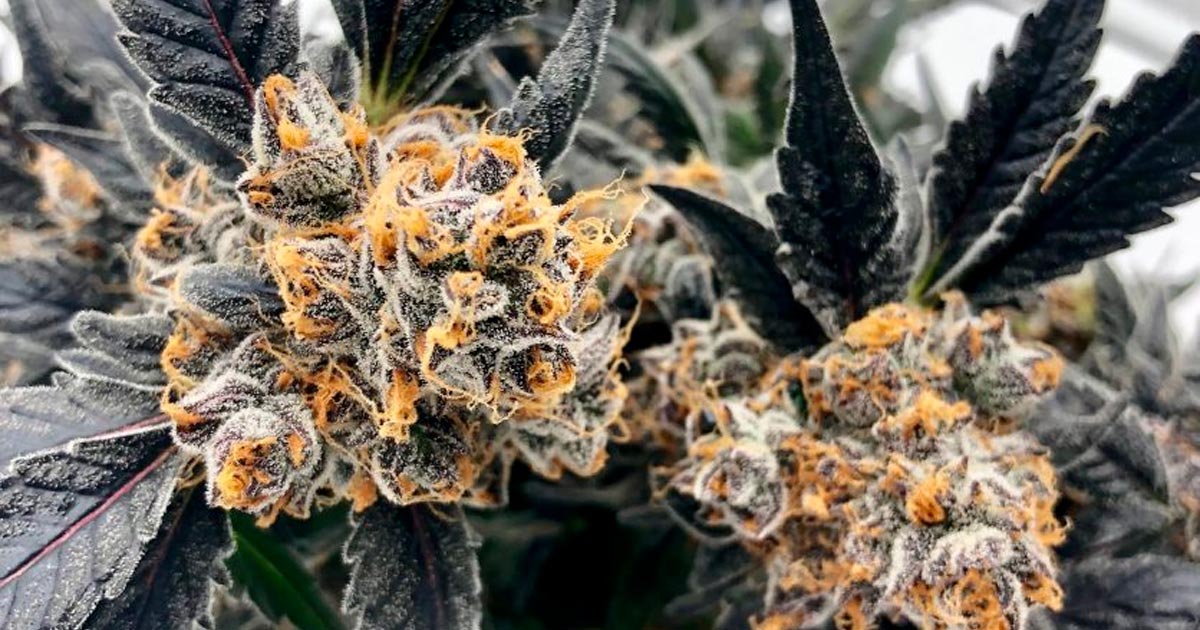
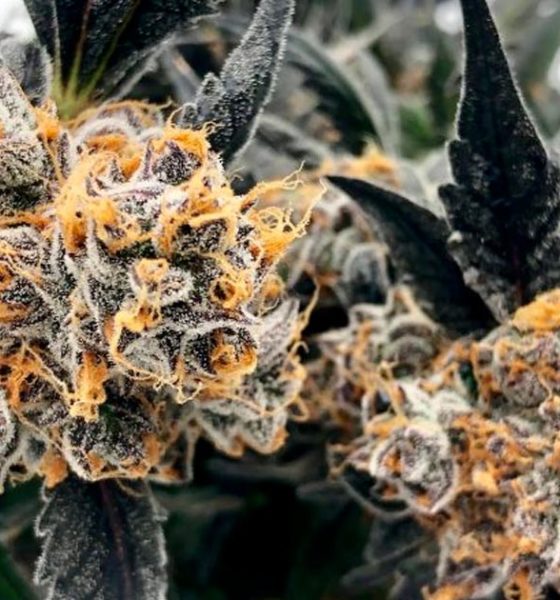
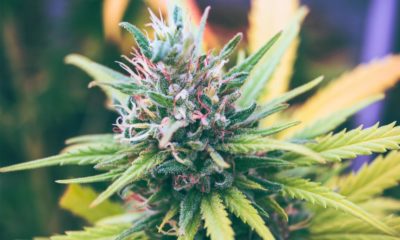
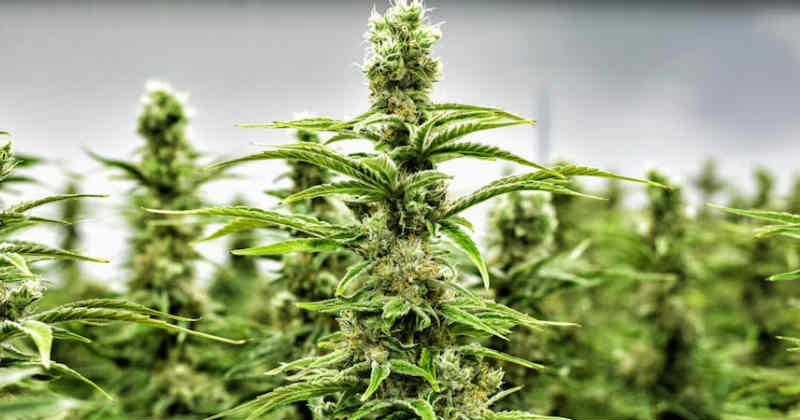
Sinsemilla (from Spanish seedless, «seedless») refers to unfertilized female cannabis—grown in such a way that it is never pollinated by a male plant and therefore never produces seeds. Today, this is the universal standard for all high-quality cannabis production.
Why is sinsemilla more potent?
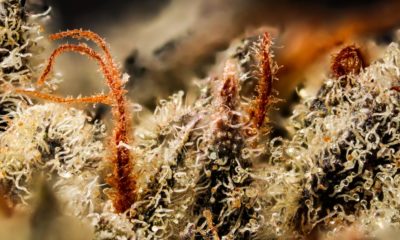
The biological mechanism is simple: an unfertilized female cannabis plant does not know that it will die without producing offspring. In the absence of pollen, it continues indefinitely to produce trichomes — the resin glands that contain the THC, the CBD and terpenes. The most widely accepted theory is that this resin serves as a mechanism to attract pollinators (insects) and provide protection against UV rays and predators, and that the plant produces more and more of it as it «seeks» to be pollinated.
Once fertilized, the female redirects all that energy toward the production of seeds : The flowers lose density, resin, and potency. A flower with seeds naturally contains fewer cannabinoids per gram than a sinsemilla flower—the seeds take up space and add nothing to the smoking experience; they produce a harsh, unpleasant smoke when burned.
The difference in potency can be significant: when the practice of growing sinsemilla became widespread in California in the 1970s, consumers accustomed to Mexican cannabis with seeds thought they were dealing with a different plant.
History: From Seed-Bearing Cannabis to Sinsemilla
Before the 1960s and 1970s, the vast majority of cannabis consumed in the United States and Europe came in the form of compressed cannabis (Mexican or Colombian bricks) containing numerous seeds—a sign that male and female plants had grown together. The quality and potency were significantly lower than what we know today.
It was the Californian hippie counterculture, followed by professional growers in the Emerald Triangle (Humboldt, Mendocino, Trinity), who popularized the sinsemilla technique in the 1970s: systematically identifying and removing male plants before pollination to produce seedless flowers. This practice, combined with progressive genetic selection, is responsible for the rise of Western cannabis in the face of imports.
How to Grow Sinsemilla
There are three main approaches:
1. Manual removal of males : An original method, still used with regular seeds. About 50% of the germinated plants are male—they must be identified as soon as the first signs of sexual development and removed before their pollen sacs open.
2. Feminized seeds : modern technology that guarantees 99%+ female plants from the moment of germination, eliminating the risk and labor involved in sexing. This is essentially the commercialization of the sinsemilla method in the form of reliable seeds. They are produced by forcing a female plant to produce pollen (through stress or treatment with gibberellic acid or silver colloid) so that it can self-pollinate.
3. Clones : Cuttings taken from confirmed female parent plants. Guarantee 100% females with no genetic surprises. This is the gold standard in professional cultivation.
Sinsemilla and feminized seeds: a continuum
Feminized seeds are not «sinsemilla» by definition: they can produce either sinsemilla or seed-bearing cannabis, depending on growing conditions. Sinsemilla refers to the result (seedless flower), not the production method. What links the two concepts is the goal: to ensure that the female plants will never be fertilized.
Today, virtually all of the cannabis available on legal markets (flower, pre-rolls, (excerpts) is produced from sinsemilla. Finding seeds in the herb has become rare and is considered a sign of poor quality.











CBD is said to promote athletic recovery, without improving performance

294 cannabis clubs in Chile: a booming movement with uneven distribution

Chronic Sciatica: New York Approves First Clinical Trial of a THC-Based Medication

United States: The DEA is accelerating the integration of medical cannabis at the federal level

Florida is nearing one million patients using medical cannabis

Uruguay Revives Its Plan to Allow Tourists to Legally Access Cannabis

In Brazil, researchers are developing an innovative CBD eye drop

Autism: Medical Cannabis Is Linked to Reduced Anxiety

The $28 billion U.S. hemp market remains under threat

