Why is some weed sticky?
If you're new to the world of cannabis, you may feel overwhelmed by the sheer number of differences from one flower to the next. For example, some can be dry and crumbly, while others are incredibly sticky and difficult to handle. Which is better, and why are some herbs sticky in the first place?
Why some weed is sticky
If weed is sometimes sticky, it's because of its «resin», a term used appropriately (Cannabis doesn't produce resin as such) but which refers to the plant's trichomes. Before going any further, let's start at the beginning.
Cannabis flowers
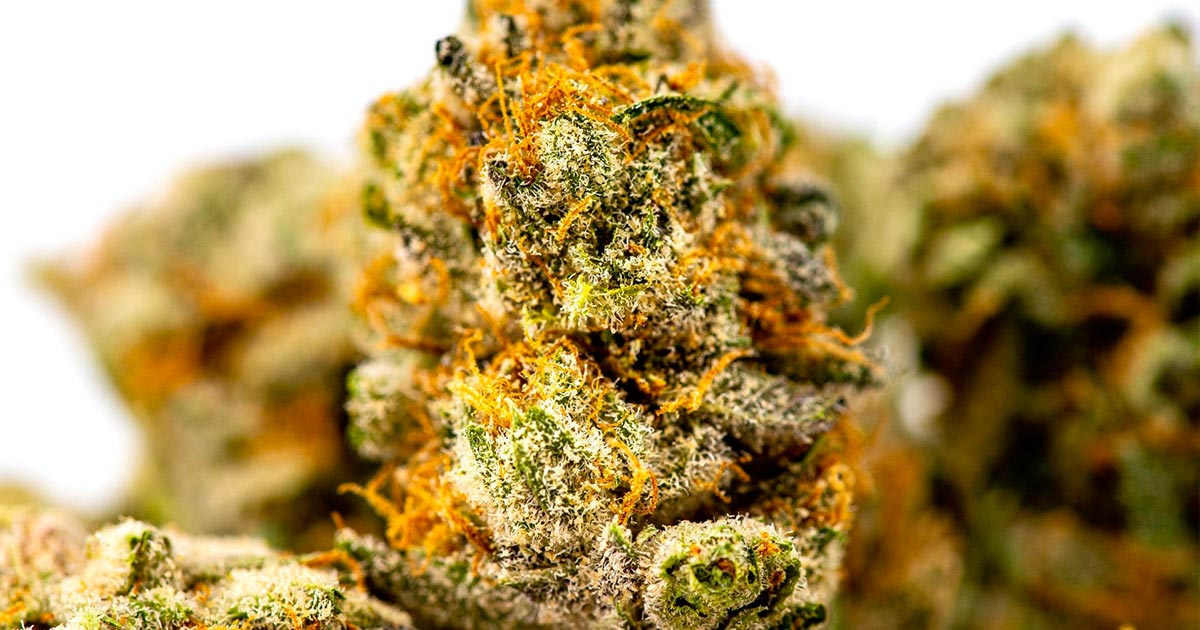
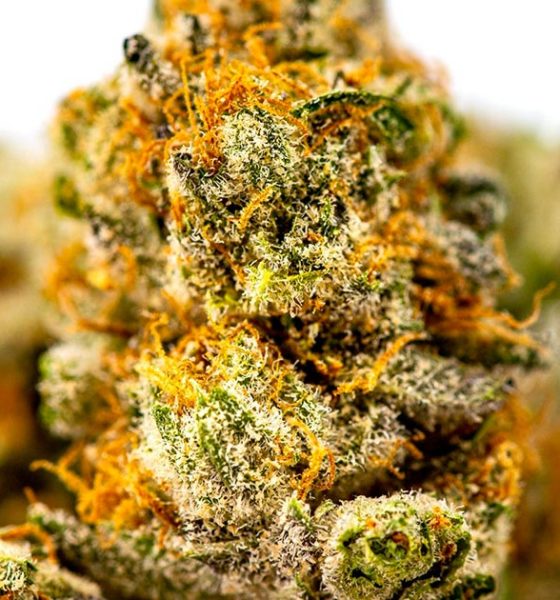
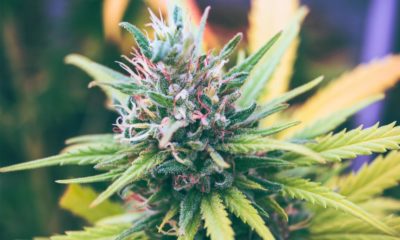
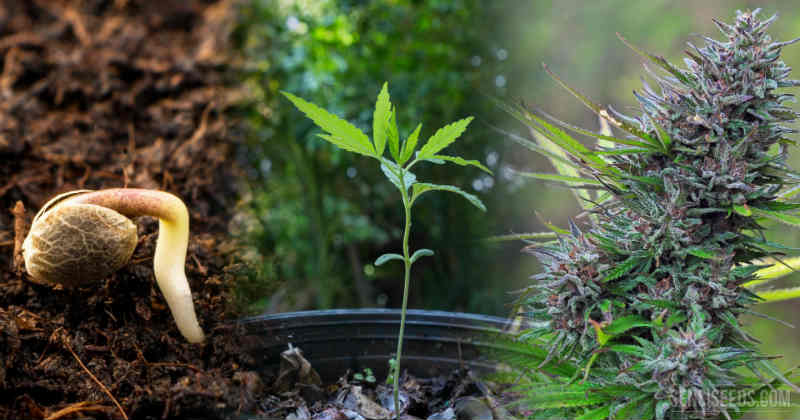
It all starts with the flowers. Cannabis flowers grow on the female plant. When fully mature, they are often green with orange/brown pistils and blue, violet or a combination of both, or even other colors.
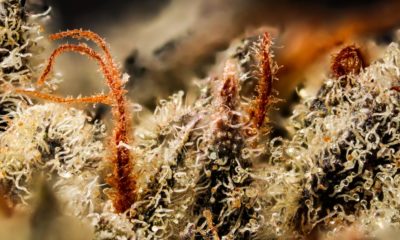
The flowers are also covered with what look like tiny hairs, the pistils, and small, shiny diamonds called trichomes.
Trichomes
«Trichomes» is a fancy term for the resin glands in cannabis. The role of these glands is to produce and secrete substances commonly known as «resin» for cannabis.
In fact, there are three different types of trichomes on the cannabis plant, but padded trichomes are the largest and most common. This is where most of the resin production takes place. If they look like little crystals, on closer inspection you'll see that they're actually a stalk with a round head at the top. This is where all the lante's action takes place.
Resin
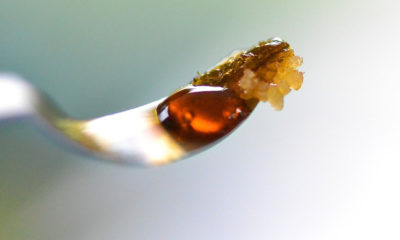
The cannabis plant produces flowers. These flowers produce trichomes. The trichomes then produce «resin», a sticky agglomerate of cannabinoids and terpenes. It's this resin that makes a herb less sticky. Its color ranges from translucent to cloudy reddish, even orange, depending on the stage of the cannabis plant's life cycle.
And beyond its sticky, adhesive properties, the resin contains all the plant's richness: cannabinoids and terpenes.
Cannabinoids
As you may know, the cannabinoids are the active ingredients in cannabis. They interact with our body's cannabinoid receptors, grouped together in a system called endocannabinoid system.
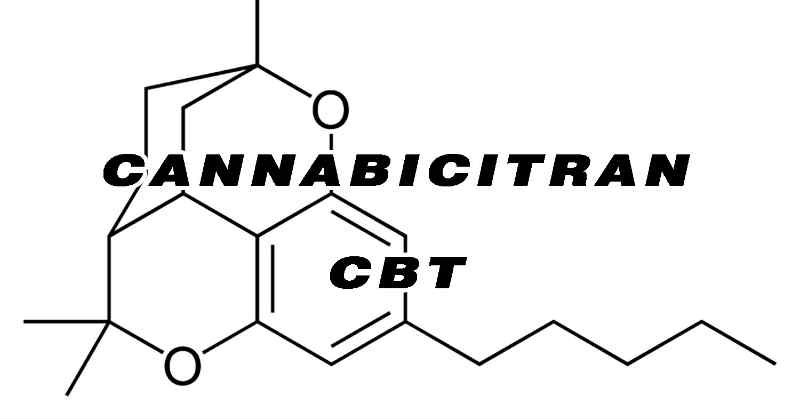
The best-known cannabinoids are :
These are the chemicals that produce the the effects of cannabis on our bodies. One might think that the stickier the weed, the more cannabinoids and terpenes it contains, and the better it is. As is often the case with cannabis, reality is more complex than that.
Dry grass versus sticky grass
Make no mistake, sticky weed and dry weed have both been dried, i.e. they have been cut from the leaf. cannabis plant stem, suspended in a cool, dry place and left to... dry, begin the process of... decarboxylation where acid cannabinoids lose their carbon atom and become active (non-psychotropic THCa becomes psyhchotropic THC, for example).
A dry herb may have been left to dry longer, or it may have had fewer trichomes to begin with. The fact that it's dry and not sticky doesn't mean that it's less good or less potent, simply that the process of curing (drying and ripening) was different.
Of course, this may diminish the initial experience a little, but it will have little impact on the psychotropic effects.
If it is stored correctly, A sticky weed should retain its stickiness for some time. But don't expect to put a sticky bud away and take it out again a year later with all its trichomes intact!













Medical Cannabis in Germany: THC Prices Vary by a Factor of 12

France already has 3,000 cannabis retail outlets. None of them are legal.

Morocco's exports of legal cannabis have expanded to 15 countries

Aurora Cannabis Doubles Its Production Capacity in Germany

Tilray is accelerating its operations in Europe thanks to a license in Portugal

Boston will host the 10th annual State of the Cannabis Industry Conference on October 26

A DEA report confirms that there are no fatal cannabis overdoses

A British patient is challenging the NHS's refusal to reimburse medical cannabis

October 2026 CBD Highlights: 10 Strains and Hash to Discover from 5 French Producers

