What is CBGa (cannabigerolic acid)?
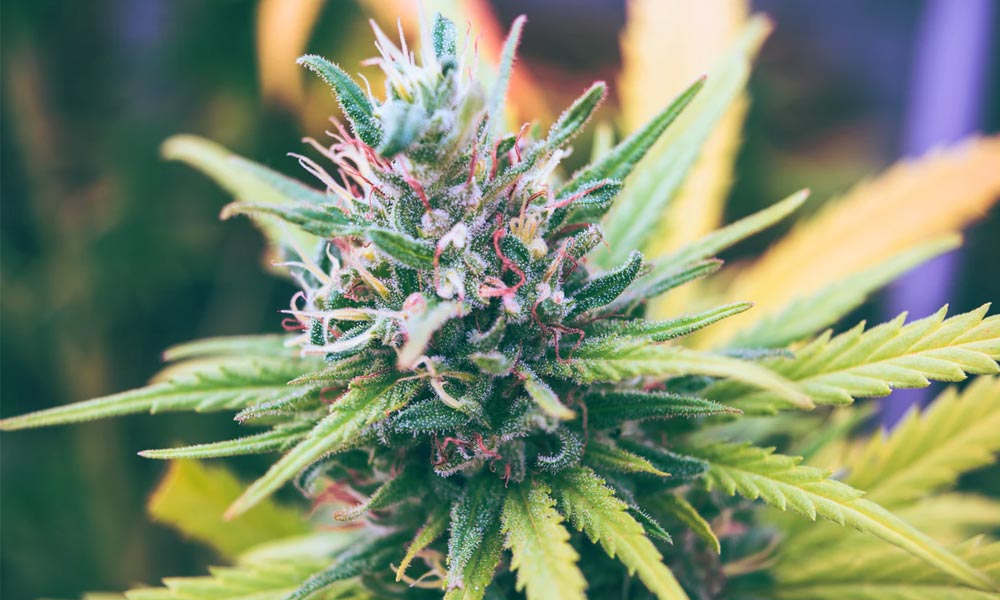
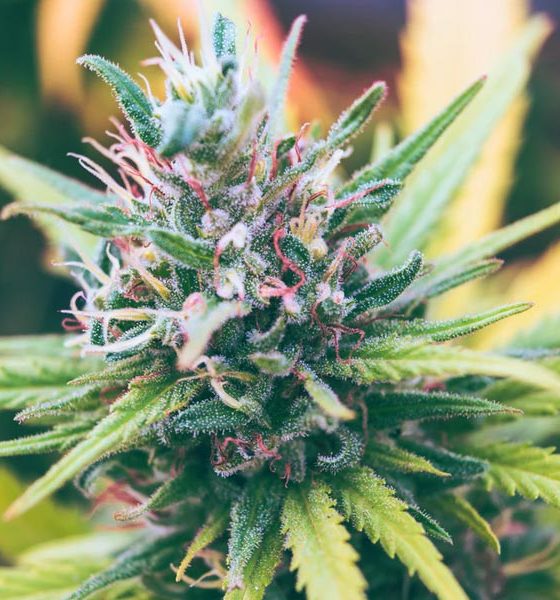
CBGa, or cannabigerolic acid, is part of the cannabinoids the least present in Cannabis plants. Assuming a protective function for cannabis, CBGa is produced in the plant's trichomes and triggers targeted necrosis of plant cells to naturally regulate leaf size, enabling the plant to maximize the energy directed towards the flower.
CBGa is also a founding component of the cannabis flower. It is involved at the very beginning of the chain reaction that produces the three main cannabinoids:
Of course, the CBGa is also transformed into a CBG, but mostly directly in THC, CBD and CBN.
Despite the fact that it has been known for 30 years, Japanese researchers having revealed its role as a precursor in 1996, CBGa has been little studied. Scientists have studied THCa more, and the way whose CBGa was converted into THCa.
The medical potential of CBGa
With little research to its credit, CBGa has nonetheless shown potential therapeutic applications, which will require further study. For the time being, the best way to benefit from CBGa is to use a high-dose variety of hemp juice.
Colon cancer
CBGa could prove effective for colorectal cancer patients. The researchers examined the cytotoxic effects of CBGa extracted from cannabis and found that not only did CBGa destroy colon cancer cells, it also accelerated early cancer cell death and stopped the cancer cell cycle. Although further research is absolutely necessary, the researchers believe that CBGa could effectively target not only colon cancer cells, but also prevent the growth and proliferation of polyps. Left untreated, these polyps develop into carcinomas.
Cardiovascular diseases
CBGa could help diabetic patients combat some of the disease's complications and comorbidities such as cardiovascular disease. CBGa has been studied in vitro and was found to inhibit the enzyme aldose reductase, a major contributor to oxidative stress leading to cardiac and other problems. Test results were highly dose-dependent. Synthetic inhibitor drugs have strong side effects for many patients. A plant-derived drug with CBGa would therefore be promising.
Metabolic disorders
CBGa could also help patients with metabolic disorders. The study in silico of 2019 (a computer simulation, in fact) examined the role of CBGa in the activation of peroxisome proliferator-activated receptors (PPARs) that regulate metabolism. When PPARs don't work properly, people develop diseases such as diabetes and high cholesterol or triglyceride levels (dyslipidemia). This study showed that CBGa activated PPAR receptors, stimulating lipid metabolism and reducing the accumulation of excess lipids. The study needs to be continued in live models.








CBD in France: Traceability, Retail Stores, THC and Driving… What the New Bill Proposes

Organigram Enters the Race for Aurora Cannabis

Medical Cannabis: Augur Associates’ latest report provides an update ahead of the publication of the decrees

Golden Buds is relaunching its Nova High vape pens with a cannabinoid formula that’s out of the ordinary

Cannabis is now Canada's fifth-largest commercial crop

Bedrocan Finally Declared Bankrupt

After CBD, Can Wellness Exist Without Cannabinoids?

Uganda Launches a Cooperative Dedicated to Medical Cannabis

Ukraine: First Cancer Patient Prescribed Medical Cannabis

