Guide de stockage du cannabis : How long can you keep cannabis?
Sometimes you find a pocketbook in your jacket from a few months ago. The same one that took you hours of searching, but you never found it. Is it still smokable, and how do you store it?
The science behind cannabis aging
Cannabis is composed of dozens of cannabinoids (including THC, CBD and others) and hundreds of terpenes which give it distinctive effects, flavors and aromas. Over time, these compounds slowly decompose.
When terpenes break down, cannabis loses its strong smell and fresh taste. Old buds often become bland, even harsh to smoke. Cannabinoids, on the other hand, play a more central role in the experience. As THC levels decline, psychoactive effects diminish.
A report from’United Nations Office on Drugs and Crime (UNODC) measured the rate of THC degradation in stored cannabis. According to their findings:
- After one year, cannabis loses about 16 % of its THC.
- After two years, the loss reached 26 %.
- After three years, power decreases by 34 %.
- After four years, cannabis loses approximately 41 % of its THC.
This gradual reduction means that even if older cannabis can still be consumed, it will have a much weaker effect.
The plant's main enemies.
The main risks associated with old cannabis are not related to cannabinoids, but to inappropriate storage conditions. Cannabis can «deteriorate» in several different ways:
The light it damages the trichomes, These glands are essential to the plant's psychoactive effects, as they contain THC. UV lamps, often used by indoor growers, speed up growth. But it can also damage the plant once it reaches maturity. Once harvested, cannabis and hemp are best stored away from light.
Plastic or pouch The traditional pouch is a fairly satisfactory weed receptacle. However, the cannabis inside must be consumed quickly. The bag lets in light, which, as mentioned above, can damage the plant. What's more, if moisture stagnates in the pouch, the material will quickly be attacked by weed. mold. This plastic also generates static electricity, which explains why a dose of pollen always sticks to its walls.
Humidity Humidity: for canna-growers, humidity is the worst enemy. It causes mold and mildew to develop, and damages the plant's health. For those who like their work well done, humidity levels should never exceed 65%. On the other hand, too little humidity weakens and dries out the trichomes.
The coldFor those who want fresh weed, the fridge is out of the question because of its humidity. The freezer may be an alternative. However, the cold transforms the trichomes into ice cubes. Be careful how you handle them when you take them out on the day. Vacuum freezing is ideal, as the psychotropic ingredients are not altered without the presence of oxygen.
Hot Cannabis should be kept between 20 and 30 degrees Celsius after harvesting. Too high a temperature would dry out the cannabinoids. Cannabis stored near a source of heat will dry out and produce thick smoke when tasted.
Storage tips
Proper storage is essential to preserve terpenes and cannabinoids as long as possible. The key is to control light, air, temperature and humidity.
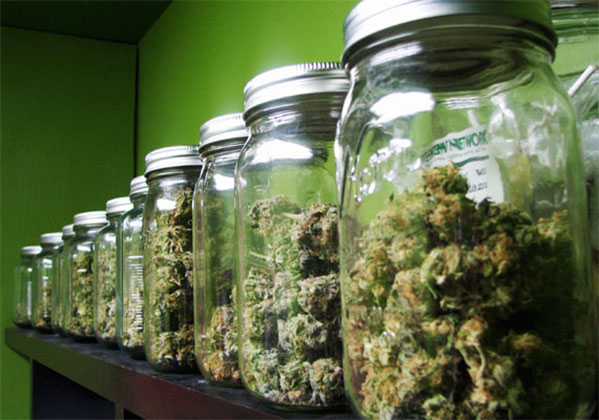
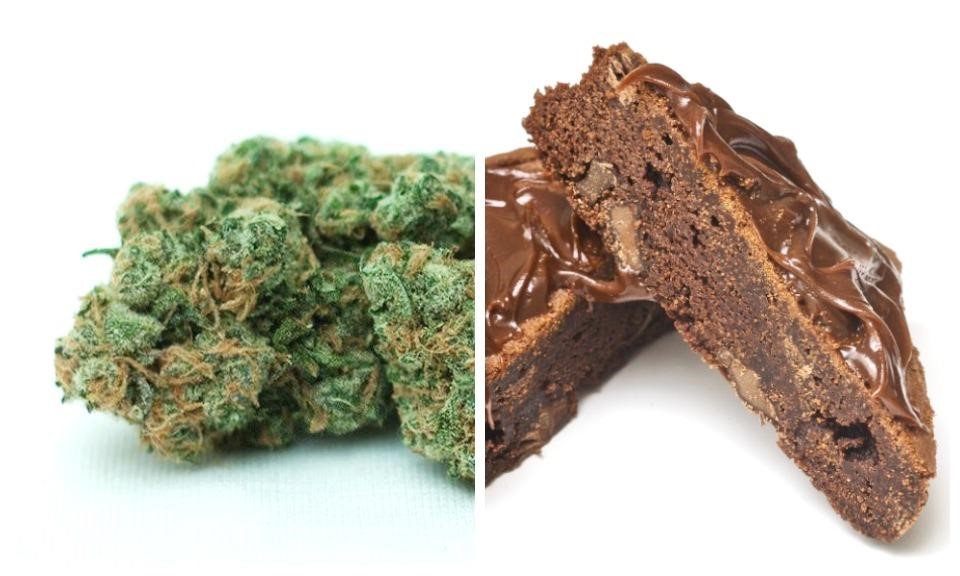
- Flowers Store in airtight glass jars, ideally in a cool, dark place. Humidity should be kept between 54 % and 63 %. To achieve this, many consumers use humidifier sachets such as Boveda or Integra BOOST. For advanced preservation, it is possible to use humidifiers specially designed for cannabis, such as Cannador or Apothecarry.
- Edible products Keep them in their original packaging, away from heat, air and light. Jellies, candies and chocolates are particularly sensitive to temperature.
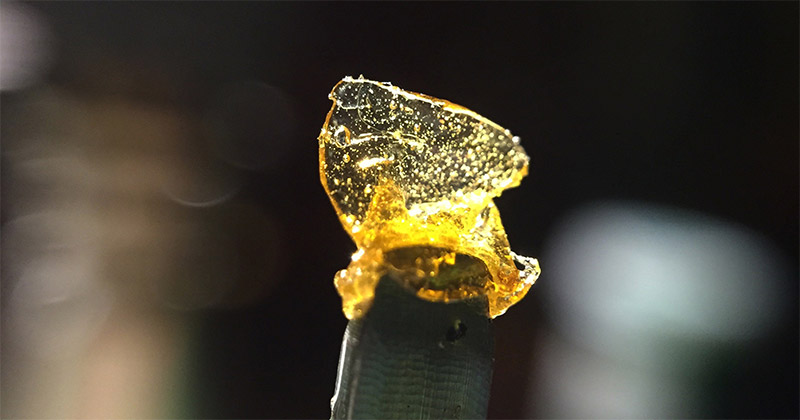
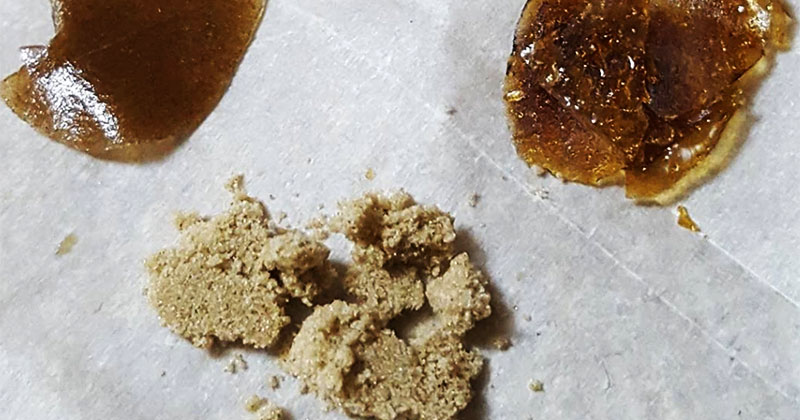
- Concentrates Use small glass or silicone containers, making sure to close the lids tightly. Store in a cool, dark place.
- Vaping cartridges As the oil is sealed in airtight chambers, humidity and exposure to air are less of a concern. However, keep cartridges upright and out of direct sunlight to avoid leaks and preserve their quality.
Is expired cannabis dangerous?
In most cases, smoking aged cannabis will not cause illness, but will simply offer a less intense and less pleasant experience. The only exception is moldy cannabis, which should never be consumed. Mold can develop when cannabis has been stored in humid conditions, and presents serious health risks.
If you see any discolored spots, white fluffy mold or if it doesn't smell like cannabis, don't touch it!
Is the grass really deteriorating?
Yes, cannabis does deteriorate, but not in the same way as food. Over time, exposure to oxygen, heat, light or humidity degrades the cannabinoids and terpenes. The result is desiccated buds that crumble into dust, or moldy flowers that are not fit for consumption.
That said, properly stored cannabis can retain much of its quality for over a year. By paying attention to environmental factors, consumers can prolong the freshness of their products and enjoy a more satisfying experience.
The best for storing cannabis
For those who like large quantities, glass jars are the preferred choice. A sturdy glass jar, protected from light and completely airtight. The perfect combination lies in the place of storage too. A cupboard or drawer away from any source of heat is ideal.
If you have the budget to invest in more sustainable options weed humidifiers like the Cannaseur are available. They work in the same way as cigar boxes, regulating humidity in a closed but ventilated safe.
For space-food lovers, quick consumption is recommended. As for concentrates, storage requires no special effort.
Let's return to our story of the pocketard. The cannabis smoker who finds his last year's consumption will be able to consume it, as long as no mold is visible. It will just taste a little different and lose some of its potency.





Medical Cannabis in Germany: THC Prices Vary by a Factor of 12

France already has 3,000 cannabis retail outlets. None of them are legal.

Morocco's exports of legal cannabis have expanded to 15 countries

Aurora Cannabis Doubles Its Production Capacity in Germany

Tilray is accelerating its operations in Europe thanks to a license in Portugal

Boston will host the 10th annual State of the Cannabis Industry Conference on October 26

A DEA report confirms that there are no fatal cannabis overdoses

A British patient is challenging the NHS's refusal to reimburse medical cannabis

October 2026 CBD Highlights: 10 Strains and Hash to Discover from 5 French Producers

