
Humulene: the terpene that can kill cancer cells
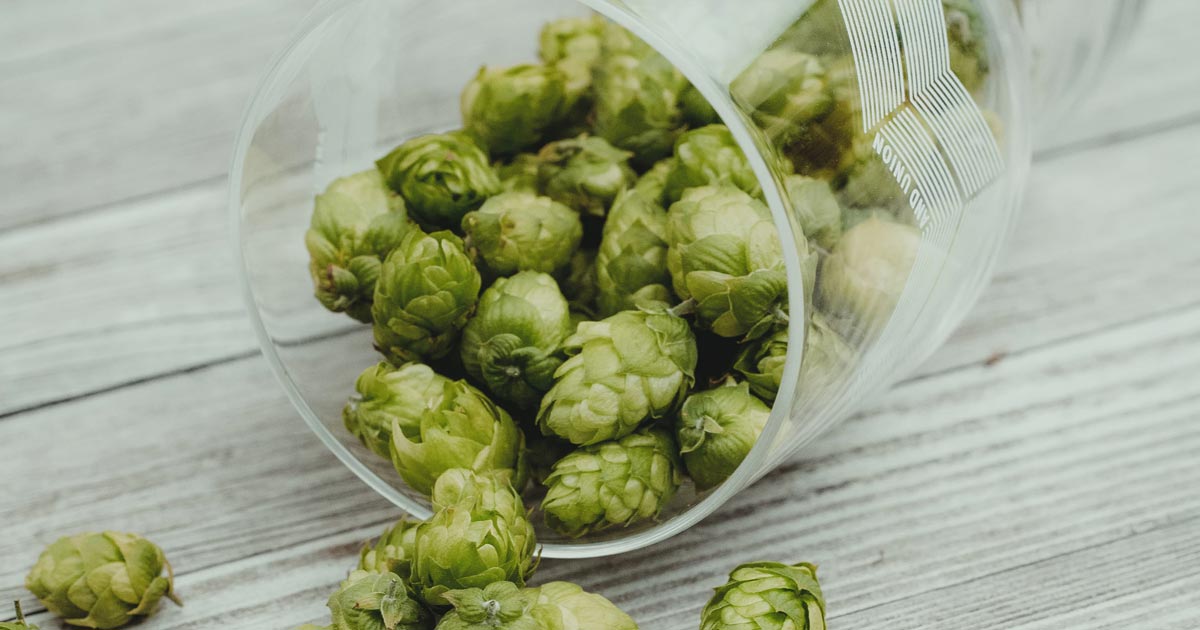
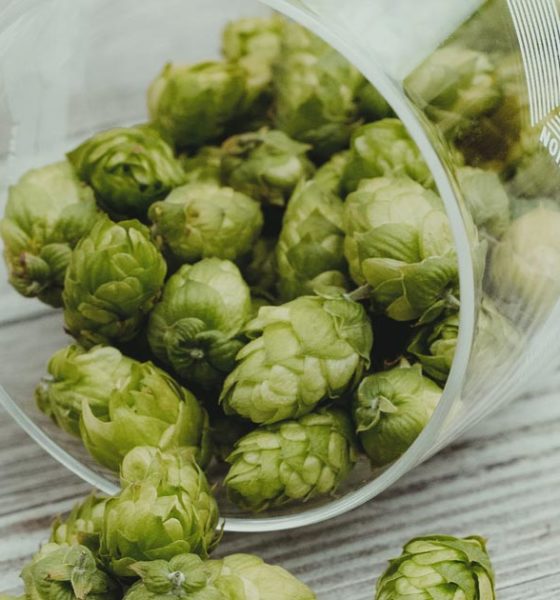
Consumers of craft beer—especially IPA—may notice similar aromas between their beer and cannabis. Among the 200 terpenes While some compounds may be found in only a single cannabis variety, humulene stands out: it is also produced by other plants, including the hop varieties used in beer brewing.
Humulene, also known as alpha-caryophyllene or α-humulene, gets its name from the Latin *Humulus Lupulus*, which translates to «hops» in French. This terpene, like others, when consumed as a potent isolate, carries a risk of irritation if inhaled or if it comes into contact with the skin. Strains rich in humulene include GSC (formerly Girl Scout Cookies), Headband, Skywalker OG, Super Lemon Haze, and White Widow.
Everything You Need to Know About Humulene
Cannabis strains rich in humulene give off a «hoppy» aroma reminiscent of basil, cloves, ginseng, hops, and sage. Like many other terpenes, this molecule is flammable and is used in industrial applications such as insecticides.
The medicinal benefits of this major terpene include its role as an anti-inflammatory, analgesic, and antitumor. It even has antibacterial properties and helps wounds heal. It is also thought to play a role in weight management.
Humulene acts as both a powerful anti-inflammatory and an effective analgesic. Research has shown that it is effective in treating systemic inflammation, while also demonstrating its ability to provide targeted relief to specific areas of the body.
Research on Humulene
A study from 2008 titled Pharmacokinetics and Tissue Distribution of the Sesquiterpene Alpha-Humulene in Mice and published in the journal Planta Medica demonstrated the anti-inflammatory properties of the terpene when used as topical. The researchers concluded: «These findings also help explain the topical and systemic anti-inflammatory and antinociceptive properties previously reported for alpha-humulene essential oil.»
A study from 2007 titled «Anti-inflammatory Effects of the Compounds Alpha-Humulene and Trans-Caryophyllene» and published in the’European Journal of Pharmacology revealed that systemic treatment with alpha-humulene inhibited tumor growth in rats. The study’s researchers concluded: «These results indicate that alpha-humulene and trans-caryophyllene, derived from the essential oil of C. verbenacea, could be important tools for the management and/or treatment of inflammatory diseases.».
A study A 2006 study demonstrated the antibacterial properties of humulene. Titled «Composition and Antibacterial Activity of Abies balsamea Essential Oil» and published in the journal Phytotherapy Research, the study authors found that certain other major terpenes—beta-pinene and delta-3-carene—were ineffective against two strains of bacteria. However, alpha-pinene, beta-caryophyllene, and alpha-humulene proved to be effective against these bacteria.
A study from 2003, published in the journal Planta Medica titled «Antitumor Activity of Balsam Fir Oil: alpha-Humulene as a Possible Mechanism of Action» revealed that balsam fir oil containing humulene exhibits antitumor activity when «evaluated against several solid tumor cell lines.».







CBD is said to promote athletic recovery, without improving performance

294 cannabis clubs in Chile: a booming movement with uneven distribution

Chronic Sciatica: New York Approves First Clinical Trial of a THC-Based Medication

United States: The DEA is accelerating the integration of medical cannabis at the federal level

Florida is nearing one million patients using medical cannabis

Uruguay Revives Its Plan to Allow Tourists to Legally Access Cannabis

In Brazil, researchers are developing an innovative CBD eye drop

Autism: Medical Cannabis Is Linked to Reduced Anxiety

The $28 billion U.S. hemp market remains under threat

