The health effects of cannabis
Cannabis is the most widely used illicit psychoactive substance in France, with around 5 million regular users according to the OFDT. Like all psychoactive substances, cannabis has its share of side effects. Everyone reacts differently to cannabis, for many reasons, All consumption has no harmful side-effects (just watch your fridge!).
However, it is better to know the effects of cannabis in order to reduce the damage, especially when the cannabis consumption is a long-term process. This guide takes stock of what we really know, without minimizing or dramatizing.
| Short-term effects | Long-term risks | |
|---|---|---|
| Brain | Euphoria, altered perceptions, possible anxiety | Dependence (10%), effects on memory in adolescence |
| Lungs | Irritation if smoked | Chronic respiratory problems (combustion) |
| Body | Increased appetite, dry mouth, red eyes | High-frequency cardiovascular risks |
| Mental | Relaxation, possible paranoia | Aggravation of pre-existing disorders |
| Therapeutics | Analgesic, antiemetic, anxiolytic | Progressive tolerance |
Immediate effects
Euphoria and highs
That's why people use cannabis. The main psychoactive ingredient, THC, stimulates the part of your brain that responds to pleasure, food or sex. It releases a chemical called dopamine, which produces a euphoric sensation, pleasant and relaxed.
If you vaporize or smoke weed, THC quickly enters the bloodstream and produces its effects within seconds or minutes. THC levels generally peak within 30 minutes, and the effects can wear off within 1 to 3 hours. If you drink or eat cannabis, The effects will take longer, be more intense for the same dose and last longer.
Some foods also increase the effects of cannabis. Mango, for example, is known to exacerbate the psychoactive effects of cannabis due to the presence of the terpene myrcene, which makes the blood-brain barrier more permeable to THC.
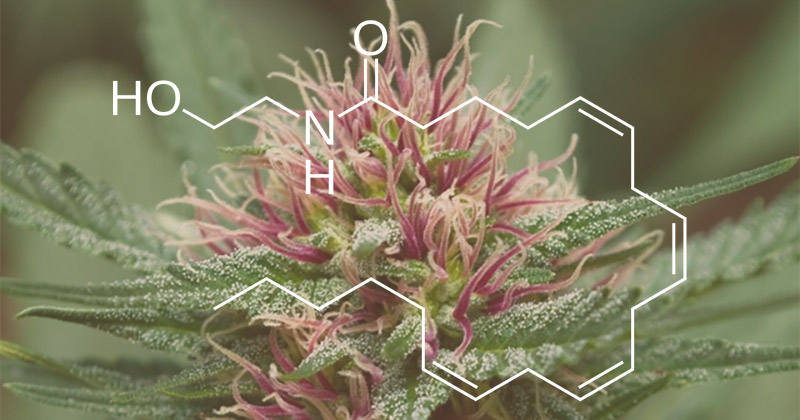
THC produces its effects by interacting with the endocannabinoid system - a body-wide network of receptors that regulate pain, mood, appetite and sleep.
Hunger (foncedalle)
The cliché of hungry cannabis user is a reality. And while the fridge often pays the price, some research suggests that it could help people with AIDS, cancer or other illnesses regain weight. Certain varieties of cannabis are also known to stop hunger, and so reverse this effect.
Varieties rich in THCV cause little or no foncedalle.
Dry mouth
THC reduces saliva production by binding to cannabinoid receptors in the salivary glands. The solution is simple: hydrate regularly. The sensation lasts for a few hours.
Red eyes
THC causes vasodilation, the dilation of blood vessels, including those in the conjunctiva. The eyes redden and can become dry. This effect varies from individual to individual and from variety to variety. Rapid temperature changes (outside/inside) accentuate the effect. Lubricating eye drops can relieve dryness.
Short-term memory loss
THC interferes with the formation of new memories by disrupting transmission in the hippocampus. This effect is immediate and temporary for the vast majority of users - it disappears within a few hours of consumption. In very regular users, persistent working memory deficits have been observed, but tend to resolve after several weeks of abstinence.
Lethargy
Some varieties, notably the myrcene-rich indica, can cause marked sedation and lethargy that can be difficult to overcome. Light physical activity is the best remedy. For other consumers with other varieties, the effect is the opposite: stimulation and creativity.
The effects of cannabis on mental health
Not everyone enjoys the effects of cannabis. Its use can cause anxiety, paranoia, trigger panic attacks, even increase depression or aggravate existing mental disorders. The reasons for this are not yet scientifically known.
Anxiety and paranoia
Anxiety and paranoia are among the most frequently reported side effects. THC activates the amygdala, the center of fear and vigilance, and can trigger hyperactivation of alert circuits. Risk factors include dose (dose-dependent effects), variety (high THC content, low CBD content), consumption context, and individual predisposition to anxiety.
The CBD present in certain strains modulates and attenuates these anxiety-inducing effects of THC. This is one of the reasons why CBD:THC balanced strains are less anxiety-provoking than today's dominant THC strains. In the event of an acute anxiety or paranoia episode: isolate yourself in a calm environment, hydrate and wait for the effects to pass; they are always temporary.
Depression and mood disorders
Regular cannabis use is associated with an increased risk of depression, but causality remains difficult to establish: people suffering from depression also use more cannabis (self-medication). Longitudinal studies suggest, however, that heavy use in adolescence increases the risk of depression in adulthood, independently of predisposing factors.
Risk of psychosis and schizophrenia
This is the most seriously documented effect. High THC cannabis users have a significantly higher risk of psychosis than non-users. A meta-analysis published in The Lancet Psychiatry (2019) showed that daily users of weed with high THC levels (> 10%) were 5 times more likely to develop psychotic disorders than non-users. This risk is particularly high in genetically predisposed individuals (family history of schizophrenia).
Effects on the brain
Short-term effects
Cannabis temporarily impairs concentration, learning and memory. These effects are reversible and dissipate within a few hours to a few days, depending on consumption. For adults, cannabis use does not seem to have any impact on IQ.
Cannabis can also cloud the senses and judgment. These effects can vary depending on the potency of the cannabis, the way it was consumed and the amount of cannabis. Cannabis can :
- Enhance the senses (colors may seem brighter and sounds louder)
- Distorting the meaning of time
- Modify motor skills and make driving more dangerous
- Reduce inhibition and facilitate risky sexual relations
Long-term effects in adults
In regular adult users, mild cognitive deficits persist after cessation, but tend to resolve after 1 to 4 weeks of abstinence. Brain imaging studies show no permanent structural damage in adults who started using after the age of 18.
Effects on adolescents
The brain is actively developing until around the age of 25. Imaging studies of teenage regular users show alterations in areas related to memory, learning and emotional regulation. Longitudinal studies document a drop in school performance and, in some cases, a reduction in IQ for intensive users starting before the age of 16. These effects are more marked and potentially less reversible than in adults.
Effects of cannabis on the lungs
When burned, cannabis can cause inflammation or irritation of the lungs. Regular users expose themselves to the same respiratory problems as cigarette smokers, and to more regular lung infections.
The vaporization is an alternative to combustion that significantly reduces exposure to irritants and combustion products. By heating cannabis to a temperature below the combustion point (generally between 170 and 210°C), it releases the cannabinoids without producing tar or carbon monoxide. This is the method recommended by many doctors for patients using cannabis for therapeutic purposes.
Cannabis and addiction
Around 10% of cannabis users are addicted. The cannabis addiction has enough of an impact on the user's life to be noticeable in social, work, health and financial terms. Physical dependence also exists, with irritability, restlessness, inability to sleep or reduced appetite.
The risk is all the greater when consumption starts young. in quantity. The risk of dependence is 1 in 6 if consumption begins in adolescence. Among daily users, the risk is as high as 1 in 2.
Cannabis and fertility
Several studies have attempted to determine effects of cannabis on the female menstrual cycle. Levels of anandamide, one of the cannabinoids produced by the body, vary throughout the menstrual cycle. THC's effect on endocannabinoid production could disrupt ovulation phases, thereby reducing female fertility. Many women nevertheless use THC to reduce menstrual pain.
For men, a reduced sperm mobility and concentration has been documented in regular users, generally reversible on discontinuation.
Cannabis can relieve pain and other symptoms
The medical cannabis has been the subject of experimentation in France since 2021, and has since been extended to pharmacy dispensing under strict medical prescription. In most European countries, it is now available under regulated conditions. Research on cannabis for therapeutic use generally shows that it can be beneficial for :
- chronic pain
- stiff muscles or muscle spasms due to multiple sclerosis
- sleep problems for people with fibromyalgia, MS and sleep apnea
- anxiety
- loss of appetite and weight loss in AIDS patients
- chemotherapy-induced nausea or vomiting
- epileptic seizures
- Dravet syndrome or Lennox-Gastaut syndrome
It intensifies the dangers of alcohol
More than one in 10 drinkers say they have used cannabis in the past year. Visit alcohol-cannabis mix doubles the risks of driving, and multiplies the risk of professional or personal problems, compared with cannabis or alcohol consumption alone.
How to avoid the unpleasant side effects of cannabis
There are various ways to avoid the less pleasant effects of THC:
- choose varieties with a high CBD content
- stick to small doses of THC
- microdosing with a vape pen
- drink plenty of water
And if the effect is ever too strong, the main thing to know is that nothing can happen to you. No one has ever died from a cannabis overdose. Several tips for a quicker descent shower, nap, walk or sweet drink, even a peppercorn.
What cannabis doesn't do
To complete the picture : no overdose deaths In the medical literature, there have been no reports of direct toxicity from cannabis. Cannabis does not cause acute lethal toxicity at the doses usually consumed - its lethal dose is estimated at several thousand times the active dose, a ratio that even massive overconsumption cannot achieve.
This does not make it a harmless substance: psychiatric, cognitive and respiratory risks are real. But they are different in kind from the risks of opioids or alcohol.








CBD in France: Traceability, Retail Stores, THC and Driving… What the New Bill Proposes

Organigram Enters the Race for Aurora Cannabis

Medical Cannabis: Augur Associates’ latest report provides an update ahead of the publication of the decrees

Golden Buds is relaunching its Nova High vape pens with a cannabinoid formula that’s out of the ordinary

Cannabis is now Canada's fifth-largest commercial crop

Bedrocan Finally Declared Bankrupt

After CBD, Can Wellness Exist Without Cannabinoids?

Uganda Launches a Cooperative Dedicated to Medical Cannabis

Ukraine: First Cancer Patient Prescribed Medical Cannabis

