
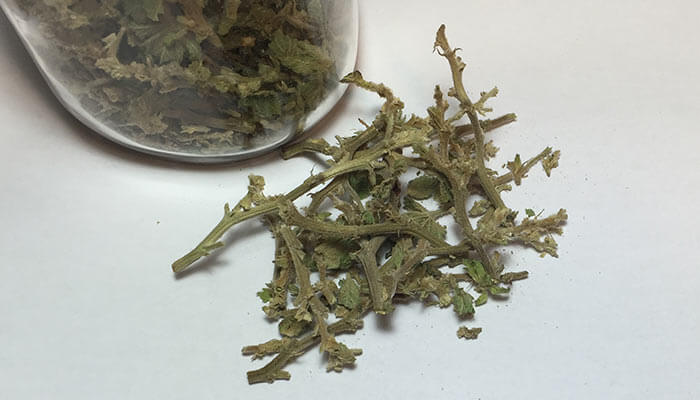
What to do with cannabis stems and branches?
After the harvest, there are always stems, branches, and trim, the inevitable waste products of a crop. Although they are unsuitable for smoking (bitter taste, irritating smoke, minimal yield), they are not without value. The branches contain low concentrations of THC and cannabinoids, with the small branches and the small trimmings being the most heavily laden. Here's how to make the most of them.
What's Really in the Stems and Branches
Not all parts of the plant are equivalent in terms of cannabinoids:
| Part | Cannabinoid content | Interest |
|---|---|---|
| Main stems | Very low | Biomass, fiber |
| Secondary branches | Low | Extraction of such a large quantity |
| Small branches / tips | Low to medium | Extraction, infusion |
| Trim (cutting sheets) | Medium | Extracts, kief, edibles |
| Sugar leaf (leaves covered with trichomes) | Fair to good | Extraction, kief |
Basic Rule : The smaller the pieces are and the closer they are to the flowers, the more worthwhile they are to salvage. A large, woody stem goes into the compost; branch tips covered with resinous dust are worth processing.
Alcohol-based tincture (Green Dragon)
Ingredient: pruning shears, high-proof alcohol (40° or higher), stems, and a large container.
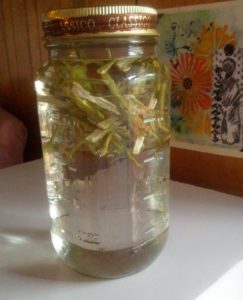
This is the most effective method for extracting cannabinoids from stems and branches: the THC is fat-soluble and also soluble in alcohol. High-proof alcohol (food-grade ethanol, vodka 40°+, grain alcohol) dissolves the cannabinoids and terpenes in the plant material.
Quick Method : Finely chop the branches, place them in an airtight jar with strong alcohol (just enough to cover the material), shake for 1 to 3 minutes, and strain immediately using a coffee filter. The result is less concentrated but faster.
Long method (more concentrated) : Let it steep for 1 to 4 weeks in a cool, dark place; shake daily; then strain. The alcohol can then be evaporated over low heat to further concentrate the mixture; this is the principle behind the RSO (Rick Simpson Oil).
Important : decarboxylate the material before maceration if the goal is to achieve the maximum psychoactive effect—active THC is more soluble than THCA.
The infusion, with one important nuance
Ingredient : pruning shears or a utility knife, boiling water, and a tea bag for a pleasant flavor.
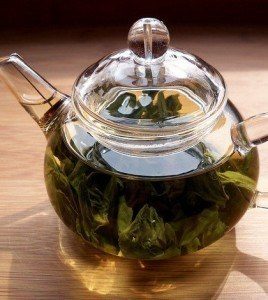
Steeping in water is possible but not very effective, because THC is very slightly soluble in pure water. To get around this problem, add a fat to the infusion: a spoonful of coconut oil, butter, or whole milk is enough to significantly improve cannabinoid extraction.
Method : Split the stems lengthwise to expose the core, heat the water until it simmers (not a rolling boil—to preserve the compounds), add fat and the stems, let steep for 20 to 30 minutes over very low heat, then strain. Add a tea bag or some honey to mellow the strong vegetable flavor.
Result: mild to moderate effect, suitable for a quiet evening. Cannabis milk tea (bhang) follows the same principle using heated milk—which is more effective than water alone because of the fat in the milk.
Marrakech Butter and Infused Oils
Ingredient : butter, a blender, and a skillet
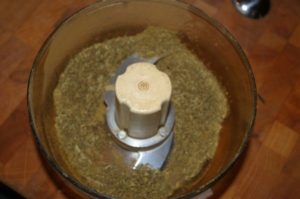
The Marrakech butter A traditional arrangement can be made using stems and branches, but you’ll need a significantly larger quantity than you would with flowers or trim to achieve the same effect, since stems contain much less concentrated material. This method is best used to make the most of a large volume of waste after a big harvest.
Olive, coconut, or sunflower oil works the same way: heat over low heat (50–60°C max to preserve the terpenes) for 2 to 4 hours with the finely chopped plant material.
Bhang
Ingredient : a saucepan, milk, vanilla, sugar, or cocoa powder.
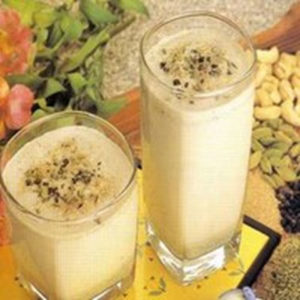
Traditional Indian method: Heat whole milk over low heat until it simmers gently, add the finely chopped stems or branches, let it simmer for 30 minutes over very low heat, strain, and flavor (vanilla, cardamom, cocoa powder). The bhang It can be drunk hot or cold.
Compost and Biomass
The reality for the vast majority of woody stems: compost. Thick cannabis stems are rich in cellulose fibers and provide an excellent source of carbon for well-balanced compost. Shred or cut them before adding to speed up decomposition.
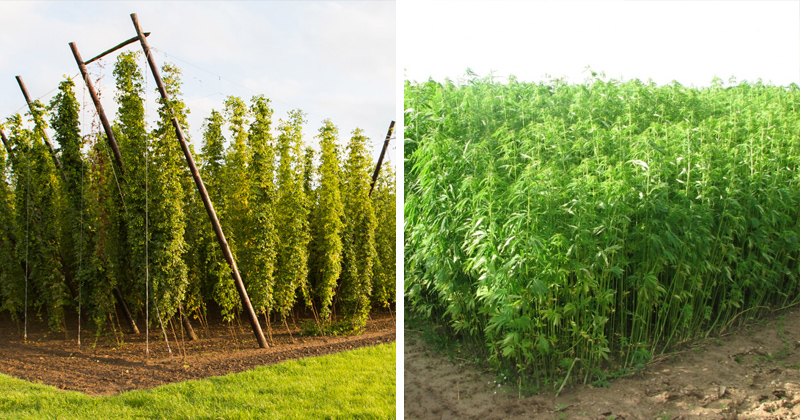
For industrial hemp growers, however, the stalks and shives are actually the most valuable parts—used in construction (hempcrete), insulation, and animal bedding. See our article on uses of industrial hemp.




CBD is said to promote athletic recovery, without improving performance

294 cannabis clubs in Chile: a booming movement with uneven distribution

Chronic Sciatica: New York Approves First Clinical Trial of a THC-Based Medication

United States: The DEA is accelerating the integration of medical cannabis at the federal level

Florida is nearing one million patients using medical cannabis

Uruguay Revives Its Plan to Allow Tourists to Legally Access Cannabis

In Brazil, researchers are developing an innovative CBD eye drop

Autism: Medical Cannabis Is Linked to Reduced Anxiety

The $28 billion U.S. hemp market remains under threat

