All guides on the history of cannabis
-


History of Cannabis Legalization: Key Dates to Know
The history of cannabis legalization has been marked by a series of legislative changes that have gradually transformed public policy in several regions of the world....
-


The 1961 Single Convention on Narcotic Drugs: How Cannabis Became a Controlled Substance Worldwide
The 1961 Single Convention on Narcotic Drugs is one of the founding documents of international drug control policy. Adopted under the auspices of the United Nations...
-


Why Is Cannabis Illegal in France? The History of the 1970 Law
The prohibition of cannabis in France is nothing new. While the law of December 31, 1970, remains a major milestone in French policy...
-


Who was Brownie Mary?
The history of cannabis is steeped in larger-than-life figures who have all played a part in the plant's democratization. One of these people...
-
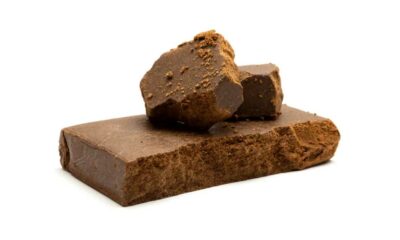

The history of hashish
Hashish is a cannabis concentrate produced by pressing or rubbing together the resinous glands of a cannabis plant to form bricks,...
-
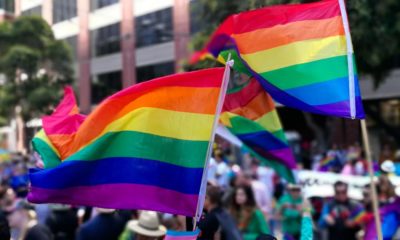

High Pride: The LGBTQ+ fight for medical cannabis
June is a month of pride. As France celebrates gay pride with a parade on June 26, it's an opportunity to...
-
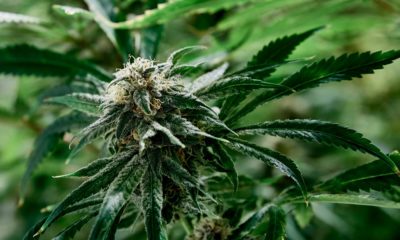

What is the Emerald Triangle?
If you've ever wondered which region of the United States produces the most cannabis, then you'll want to know about the Emerald Triangle. Located in the northern...
-
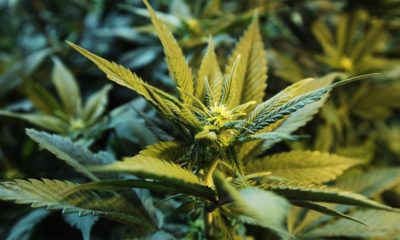

Marie Jeanne (marijuana): origin of the word and meaning
Marie Jeanne is one of the many French nicknames given to cannabis. The term comes directly from the English Mary Jane, itself a translation of the Spanish first names María and...
-
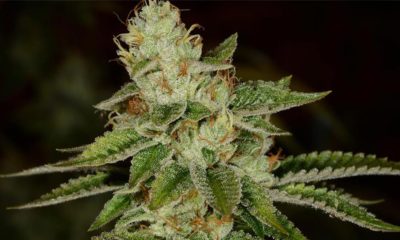

What does «OG» mean in weed names?
Cannabis is a thousand-year-old plant that has been used since the beginning for its medicinal and recreational properties. It has contributed to the creation of a rich vocabulary to describe...
-
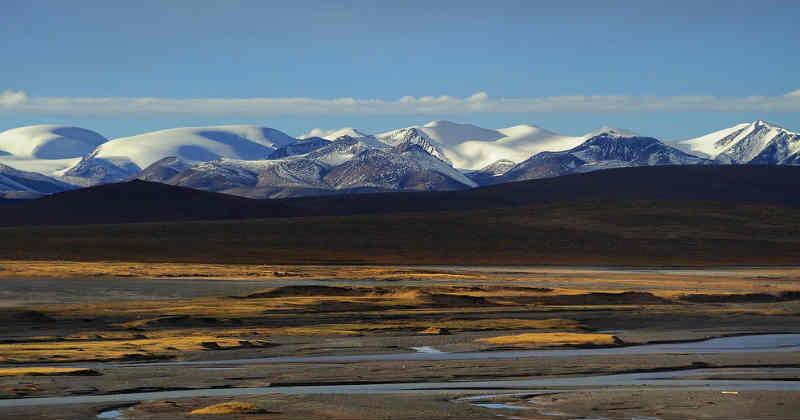
Where does cannabis come from?
We know that cannabis has been used for thousands of years, but we don't know when the plant first appeared on earth. Scientists have attempted to answer this question...
-
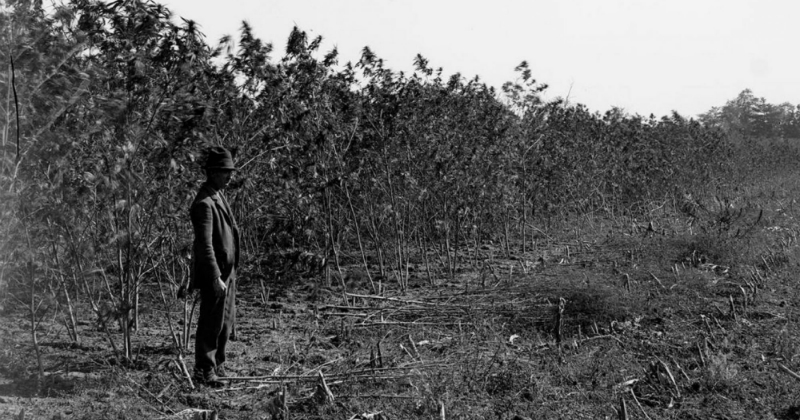
How did cannabis come to France?
Today, cannabis is the most widely consumed illicit substance in France, with at least 800,000 daily users, despite its prohibition. This plant, native to Asia, is...
-
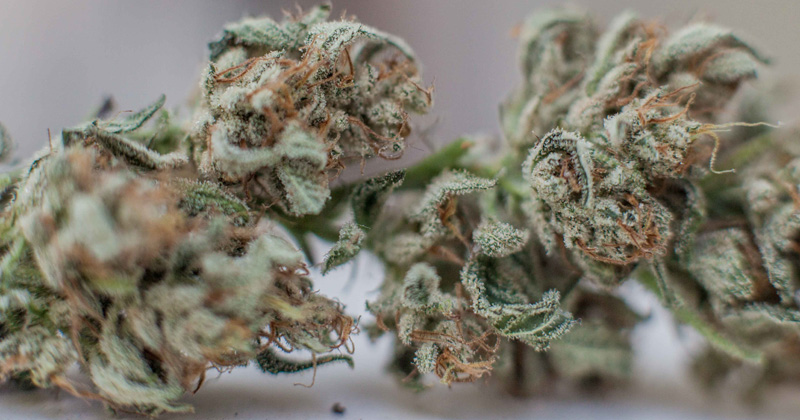
Roger Adams, the first discoverer of THC?
Anyone with even the slightest interest in the history of cannabis has learned that THC, the main psychoactive molecule in cannabis, was discovered...
-
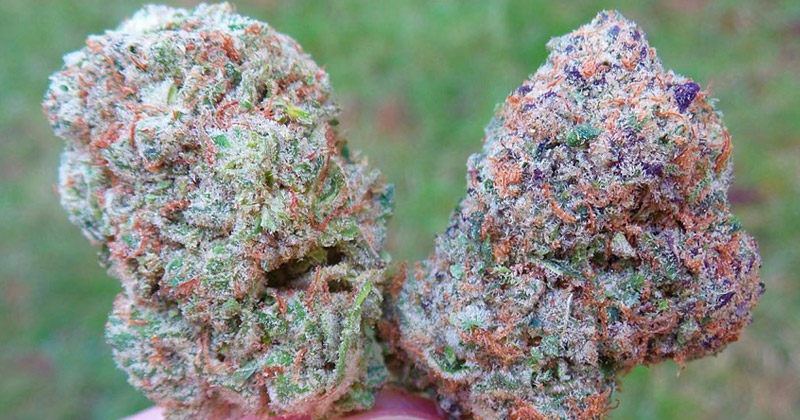
7 cannabis strains that made breeding history
Like all plants, Cannabis has developed different varieties, whether through natural cross-breeding of the original varieties specific to certain regions, known as landrace,...
-
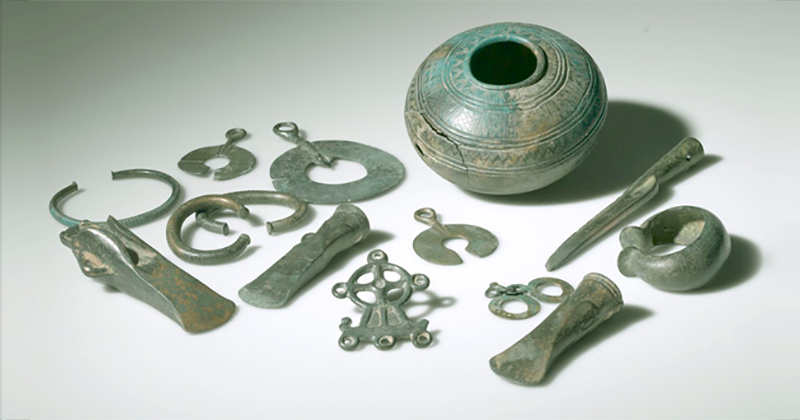
Who were the first cannabis smokers?
A group of researchers, led by Dr. Tengwen Long of the Institute of German Archaeology, has set out to unravel the mystery of the first cannabis smokers. The plant...
-
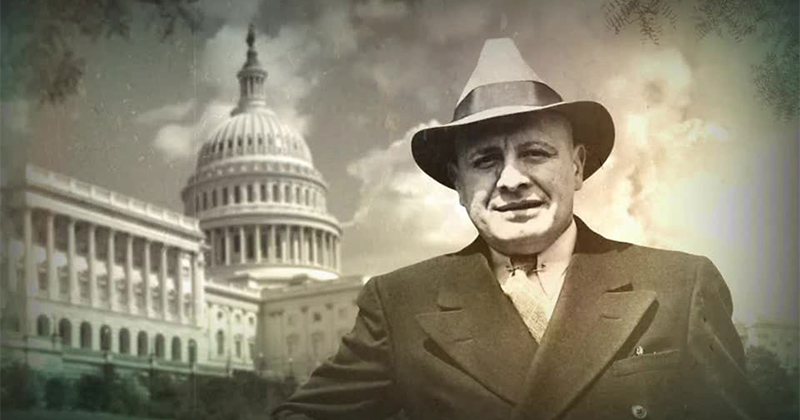
Cannabis prohibition: history, origins and players
Cannabis prohibition is a recent phenomenon in human history. Cannabis has been consumed for millennia throughout the world - in...
-

Who discovered THC?
Delta-9-tetrahydrocannabinol, more commonly known as THC, is the main cannabinoid in the cannabis plant. While cocaine and morphine were isolated in the...
-
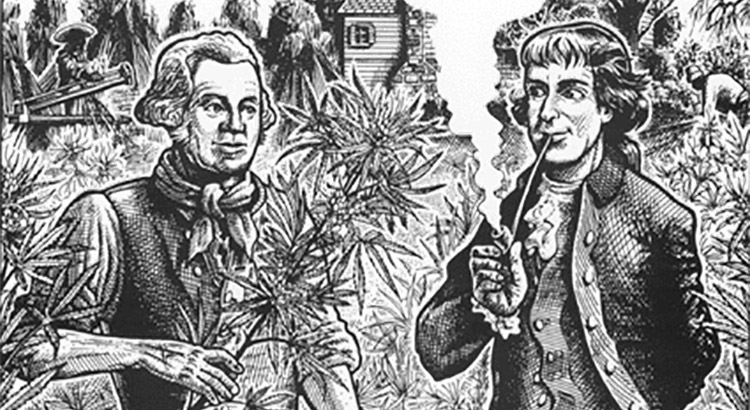
A brief history of cannabis
Cannabis has been a taboo subject for centuries. In recent years, however, public opinion has become increasingly open on the subject, particularly following the various decriminalizations and...