Cannabis and Your Body In detail
-


Cannabis white crisis: how to react?
Among the unenviable side effects of cannabis is the notorious «white crisis». Whether you've already experienced this type of bad trip or...
-


What are the medical effects of cannabis?
Cannabis is a historic, multidimensional and sometimes controversial plant. Its versatility and usefulness have propelled cannabis into all sorts of industries and products,...
-


How does it feel to be stoned?
Whether you're new to the world of cannabis or an experienced user, you may be curious about how people feel...
-
CB2 receptor: definition, immune functions and therapeutic potential
CB2 receptors, or cannabinoid type 2 receptors, are an important component of the endocannabinoid system, a biological network of endocannabinoids, receptors and enzymes with which...
-
CB1 receptor: definition, functions and role in the effects of cannabis
CB1 receptors are a type of cannabinoid receptor found in the body. Cannabinoids such as THC interact with these receptors to induce some of the effects...
-
Endocannabinoid
Endocannabinoids are a class of naturally occurring lipophilic molecules found in humans and all animals. These chemical substances interact with the endocannabinoid system, a system...
-

Does using cannabis kill brain cells?
For over a century, rumors have persisted about the supposed dangers of cannabis consumption. From the war on drugs to cultural commentary in the...
-

The health effects of cannabis
Cannabis is the most widely used illicit psychoactive substance in France, with around 5 million regular users according to OFDT. Like all psychoactive substances, cannabis...
-

Does cannabis lower IQ?
The way in which cannabis affects cognitive ability, and in particular its impact on IQ, is often used as an argument to evoke the effects...
-
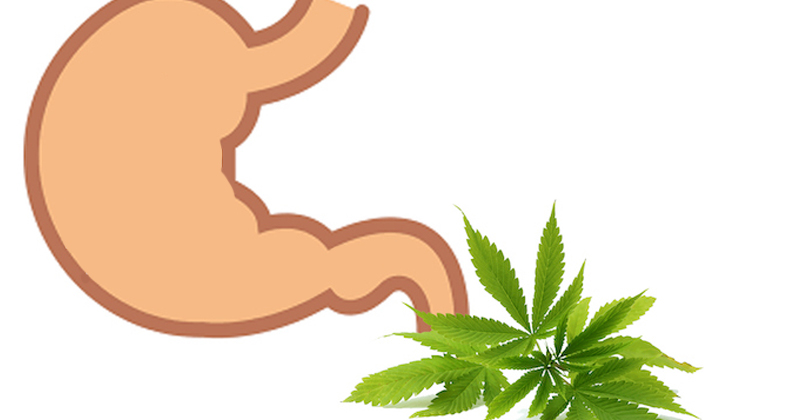
Does CBD turn into THC in the stomach?
CBD and THC molecules are very similar in structure, so certain processes can be used to transform CBD into THC derivatives.
-
The entourage effect: myth or reality?
There are countless varieties of cannabis with different effects. Yet they all develop the same active ingredient: THC. In addition to THC, the...
-
Your genes and personality can determine your use of cannabis
A genome-wide association study (GWAS) has determined that regular cannabis use is associated with certain personality traits and may be...
-

Why is it impossible to overdose on cannabis?
Overconsumption of cannabis may not be advisable and may give you a hard time (or even a little more), but it can never make you...
-

Body high and head high: what's the difference?
The various legalizations of cannabis around the world mean that consumers have more information about the products on offer, for example, in dispensaries in the USA, and more...
-
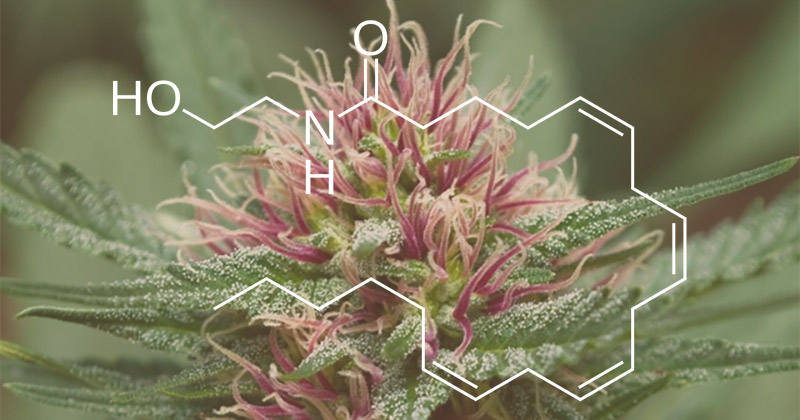
What is anandamide?
In short, anandamide (or arachidonoylethanolamine) is the human version of THC. Nicknamed the «pleasure molecule», Willam Devane discovered it while working with Raphaël Mechoulam,...
-

How long can you get stoned after eating space cakes?
Space cakes, more commonly known as edibles across the Atlantic, are cannabis-infused cakes. Some coffeeshops in Amsterdam sell them in the form of cookies or pastries, and...
-
Is cannabis effective against pain?
The main reason for using medical cannabis in countries where it is legal is to fight pain. And according to the French Academy of Sciences,...
-

Does passive smoking really exist?
If you don't use cannabis, but spend evenings with pot smokers, you've probably wondered why you ever felt...
-
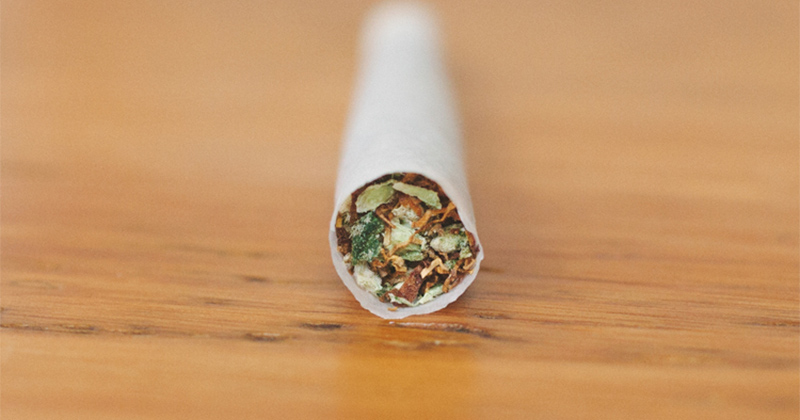
Cannabis tolerance: how to reduce it and how long does it take?
Regular cannabis users know that their tolerance to cannabis varies over time. Despite alternations between strains or changes in...
-
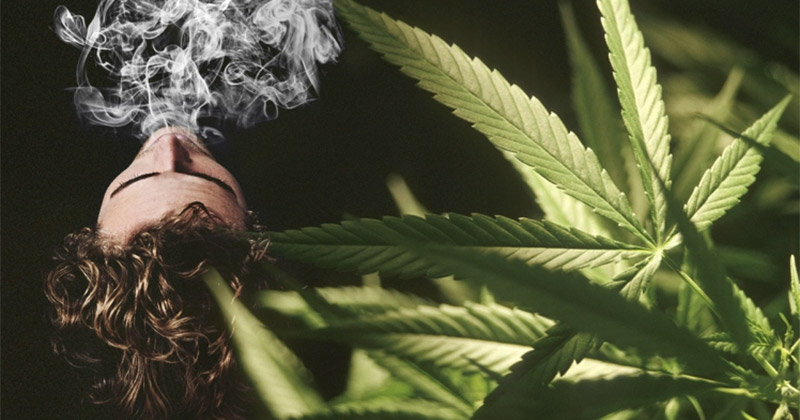
Is cannabis addictive?
As cannabis becomes more widely available in the United States, and Europe begins to take an interest in its medicinal properties, the question of addiction or dependence...