
What is the Emerald Triangle?
If you've ever wondered which region of the United States produces the most cannabis, then you'll want to know about the Emerald Triangle. Located in northern California, this three-county region is a prime location for cannabis cultivation.
Here you'll learn fascinating facts about the Emerald Triangle (also known as the "Emerald Triangle"). Emerald Triangle), how it got its name and why it's important to weed lovers.
Why is it called the Emerald Triangle?
The Emerald Triangle encompasses three counties in northwestern California:
- Humboldt County
- Mendocino County
- Trinity County
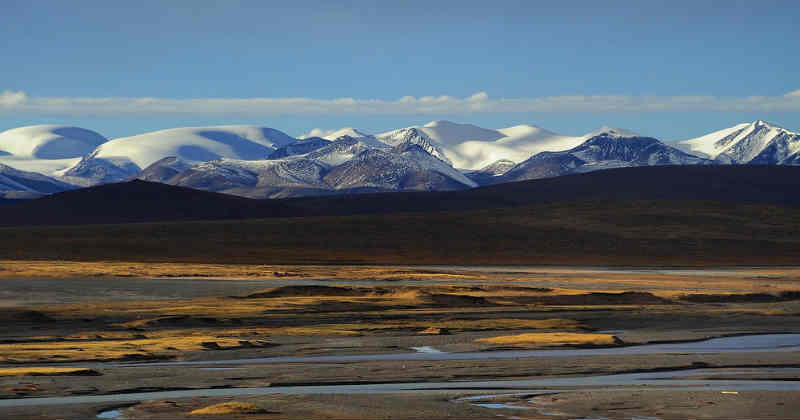
Collectively, this trio of counties produces more cannabis than any other place in the United States. The region also boasts some of the highest quality cannabis in the world. Sacramento may be the capital of California, but the Emerald Triangle is the unofficial capital of cannabis. Hills and open spaces characterize the Emerald Triangle, which is sparsely populated compared to many other parts of California. Only the city of Eureka, in Humboldt County, has a population of nearly 50,000, while a series of small towns and farming villages dot the rest of the region.
History of the Emerald Triangle
The story of the Emerald Triangle begins in 1967, during the so-called «Summer of Love» in San Francisco. This social phenomenon and counter-cultural back-to-the-land movement exploded in San Francisco's Haight-Ashbury neighborhood. That year, over 100,000 hippies gathered in the Golden City to protest the Vietnam War, promote art, spread love... and consume lots of cannabis. These progressive individuals, sometimes referred to as «flower children», created a foundation for cannabis cultivation to flourish.
Nearly 30 years later, in 1996, California passed Proposition 215 to legalize the use of cannabis for medical purposes. Opponents greeted the law with controversy both in and out of the courts, but the region was already ripe for cannabis growers to harvest in California.
Today, the Emerald Triangle is home to nearly a quarter of a million people, many of whom earn their living from the cannabis industry or consume weed recreationally from local growers. Cannabis cultivation is a way of life in this region, whose temperate Mediterranean climate favours the cultivation of many plants other than cannabis. Just as Napa Valley is ideal for growing grapes, the Emerald Triangle is ideal for growing cannabis.
Why is Humboldt County famous?
Comprising a third of the Emerald Triangle, Humboldt County is known as an agricultural community where much of the population makes a living from farming. In fact, over 20 % of the county's population make their living from cannabis cultivation. The county is also renowned for growing high-quality weed, and boasts «designations of origin» for many of its cannabis products.
Sometimes dubbed the «stoners» paradise", Humboldt County has resisted the legalization movement in California. While it may seem paradoxical, many growers in the county fear that widespread legalization of weed will drive prices down. For some growers, a black market, albeit illegal, is more profitable than a regulated one. Paperwork and quality control requirements threaten to reduce local farmers' profits even further. What's more, the region's population is growing rapidly, and some cannabis growers have lined their crops with traps to prevent theft. These measures may seem extreme until you consider the notoriously high crime rates in the region, particularly in Humboldt County.
Is Humboldt County still dangerous?
In addition to its many cannabis cultivation sites, Humboldt County is famous for something less desirable: a high crime rate. The homicide rate has historically been so high in the county that a Emerald Triangle TV show, Murder Mountain, began in 2018. Murder Mountain was a Netflix true-crime docuseries that explored the dark side of the county's cannabis industry, including the 2013 disappearance and homicide of local grower Garret Rodriguez. In response to the popular series, the sheriff's office called the gruesome portrait an «incomplete narrative» in an article published in 2019 in the Times Standard.
Whatever the opinion, crime statistics can speak for themselves, and Humboldt has the second-highest homicide rate in California, as reported in a 2018 article in The Mercury News. While some claim that crime in the area is slowly improving, Humboldt may still have a long way to go to shake off the reputation that earned it a Murder Mountain spotlight.
Interesting facts about the Emerald Triangle
The Emerald Triangle inspired not only a TV show, but also a colorful vocabulary to describe local traditions:
- Croptober is the local nickname for the month of October, when the season's harvest is in full swing.
- The trimmigrants arrive at Croptober from outside the region to help harvest and prepare the cannabis for shipment
- Cannabis growers have created many unique cannabis strains in the Emerald Triangle, such as Desert Diesel from Humboldt Seeds and Black Water from Cali Connection.
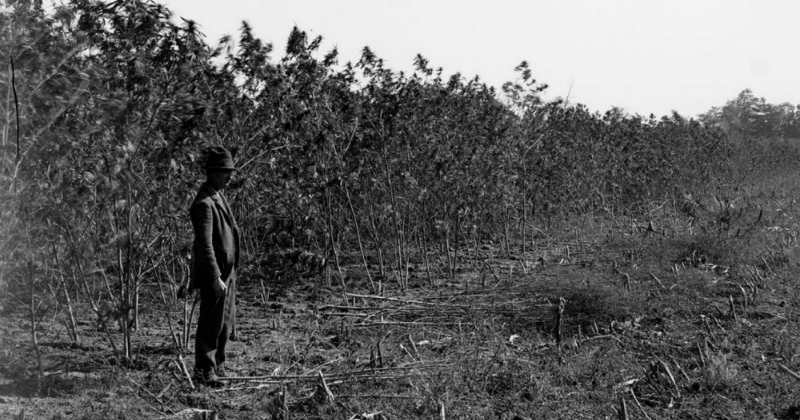
- Weed trees« are a phenomenon in the fertile Emerald Triangle, where some cannabis plants reach heights of over 4 metres.
- L’Emerald Triangle is obviously the host of the’Emerald Cup, the world's most popular cannabis competition.
Environmental concerns and the Emerald Triangle
Many growers in the Emerald Triangle use sustainable practices to grow cannabis without pesticides or other chemicals. The region's favorable soil facilitates this type of organic cultivation. However, not all growers use sustainable practices, and environmentalists are concerned about illegal dams, pesticide run-off and worsening water shortages that have plagued California for years. Other pitfalls of unsustainable agriculture, such as landslides and disappearing animal habitats, are of equal concern to conservationists.
The future of the Emerald Triangle
The combination of favorable climatic and cultural conditions has made the Emerald Triangle a hot spot for thriving cannabis production in the United States. Although there may be tensions between local growers and the state government, cannabis production in the Emerald Triangle is more abundant than ever. Marijuana is an integral part of California's economy and shows no signs of slowing down, as interest in cannabis' many potential therapeutic uses continues to grow.








CBD is said to promote athletic recovery, without improving performance

294 cannabis clubs in Chile: a booming movement with uneven distribution

Chronic Sciatica: New York Approves First Clinical Trial of a THC-Based Medication

United States: The DEA is accelerating the integration of medical cannabis at the federal level

Florida is nearing one million patients using medical cannabis

Uruguay Revives Its Plan to Allow Tourists to Legally Access Cannabis

In Brazil, researchers are developing an innovative CBD eye drop

Autism: Medical Cannabis Is Linked to Reduced Anxiety

The $28 billion U.S. hemp market remains under threat

