
Marie Jeanne (marijuana): origin of the word and meaning
Marie Jeanne is one of many French nicknames for cannabis. The term comes directly from the English Mary Jane, itself a translation of Spanish first names María and Juana,the two components of the word «marijuana». But the history of this etymology is more complex and controversial than it seems.
What is marie jeanne?
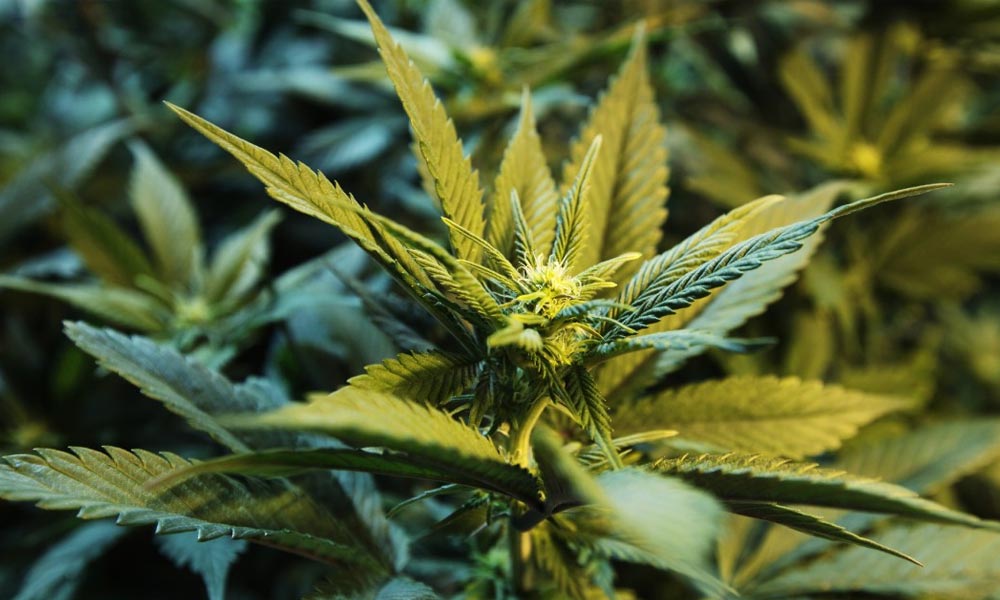
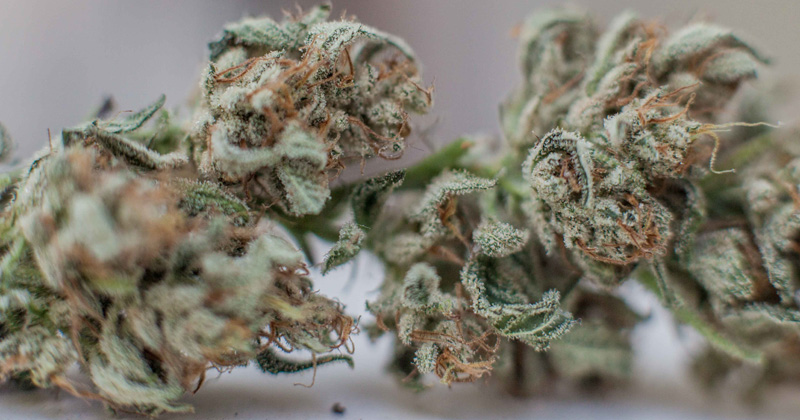
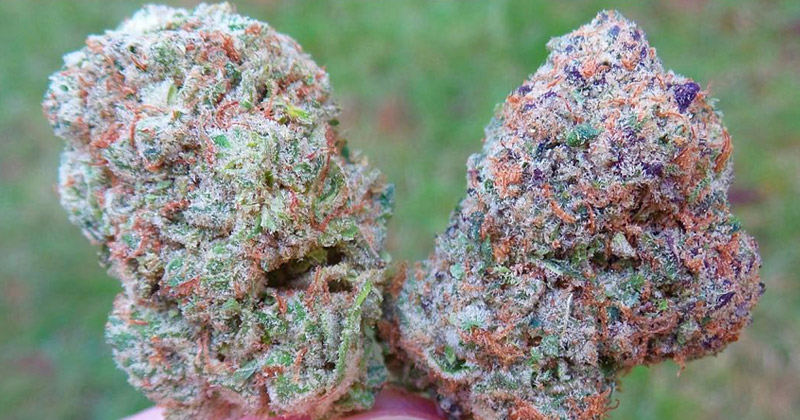
Marie jeanne refers to cannabis used for recreational or medicinal purposes, the same plant as marijuana. weed, marijuana, or hashish. These are all popular terms for Cannabis Sativa L., the plant whose female flowers concentrate THC, CBD and terpenes.
Origin of the word «marie jeanne»: from marijuana to Mary Jane
The origin of the word marijuana remains partly mysterious. Several theories coexist, with no definitive consensus. Here are the main ones.
The Mexican theory (the most widely accepted)
The word «marijuana» was introduced into the English language relatively recently, in 1874 according to the earliest documented records. It comes from the Spaniards, who brought cannabis to Mexico to cultivate it for its fiber, and probably little for its psychotropic virtues, according to historians. The word had several spellings at the time: «marihuana», «mariguana», «marijuana».
Separating the word into Mari + Juana, similar to traditional Spanish first names María and Juana,would have given Mary Jane in English, then Marie Jeanne into French by literal translation.
First documented appearance of «Mary Jane» in 1943
You'll have to wait 1943 to find one of the first documented appearances of the word «Mary Jane» in the American press, in Time magazine, in an article entitled «Music: The Weed» :
«For its users, the drug goes by many names, often evasive. Marijuana may be called muggles, mooter, Mary Warner, Mary Jane, Indian hay, loco weed, love weed, bambalacha, mohasky, mu, moocah, grass, tea or blue sage. The cigarettes made from them are killers, goof-butts, joy-smokes, giggle-smokes or reefers. The word marijuana is of Mexican origin and means «intoxicating herb». It is made from the Indian hemp plant, a green bush resembling sumac. Known in pharmacopoeia as Cannabis Sativa, it is a source of important paint ingredients and rope fibers as well as narcotics. It can be grown easily almost anywhere, so tends to be cheap, like all drugs.»
In this article, «Mary Jane» was just one of many nicknames for cannabis. The name gradually made its way into the English lexicon, before being translated into French as «Marie Jeanne».
Chinese theory
An alternative theory holds that Chinese immigrants from western Mexico gave the plant its name. A combination of syllables referring to cannabis in Chinese, ma ren hua,would have been Spanishized as «marijuana». Or perhaps the term comes from the Spanish colloquial expression for «Chinese oregano»: mejorana (chino).
The African theory
A third possibility is that the Angolan slaves landed in Brazil by the Portuguese brought with them the Bantu word for cannabis, ma-kaña,which then evolved into «marijuana» via trade between Brazil and Mexico.
Why «marijuana» rather than «cannabis» in the United States?
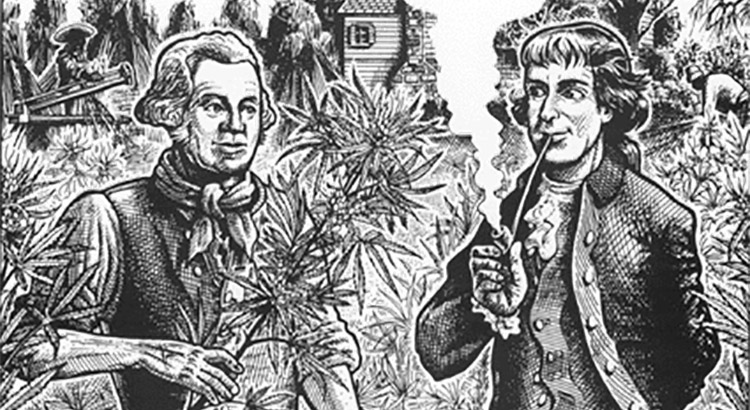
Before the early 1900s, Americans referred to cannabis by its Latin name, cannabis,and the industrial form by hemp (hemp). «Marijuana» didn't appear in the American lexicon until after 1910, probably via Mexican immigrants.
The American racist and anti-immigrant movements of the early 20th century deliberately latched onto the word «marijuana» to target the supposed geographical origin of users, portraying them as individuals who became violent and insane after consumption. This rhetoric contributed to the prohibition that led to the Marihuana Tax Act of 1937, prohibiting the use of cannabis in the United States.
The choice of the term «marijuana» rather than «cannabis» was not insignificant. It associated the plant with a Mexican origin in the minds of the American public, thus facilitating its stigmatization.
Meaning and etymology of «marie jeanne»
Marie Jeanne = French translation of Mary Jane = Anglicization of María Juana = decomposition of marijuana.
The CNRTL definition confirms this etymological path. In French, «marie-jeanne» entered the popular lexicon probably after the Second World War, with the spread of American culture in France and the popularization of the term «Mary Jane» in the Anglo-Saxon press.
Other names for cannabis in French
Cannabis is referred to by a multitude of terms depending on the era, region and community:
| Name | Origin | Usage |
|---|---|---|
| Cannabis | Latin (Cannabis sativa) | Scientific and legal term |
| Marijuana / marie jeanne | Mexican Spanish → English → French | Popular, historically pejorative |
| Weed | English («weed») | Familiar, younger generations |
| Weed / weed | Slang French | Very common in France |
| Shit / chit | English (shit = shit, refers to resin) | Hashish specifically |
| Ganja | Sanskrit via Hindi | Reggae/Jamaican culture |
| Haschisch / hash | Arabic (ḥashīsh = dry grass) | Cannabis resin |
| Reefer | American 1930s | Aged |








CBD is said to promote athletic recovery, without improving performance

294 cannabis clubs in Chile: a booming movement with uneven distribution

Chronic Sciatica: New York Approves First Clinical Trial of a THC-Based Medication

United States: The DEA is accelerating the integration of medical cannabis at the federal level

Florida is nearing one million patients using medical cannabis

Uruguay Revives Its Plan to Allow Tourists to Legally Access Cannabis

In Brazil, researchers are developing an innovative CBD eye drop

Autism: Medical Cannabis Is Linked to Reduced Anxiety

The $28 billion U.S. hemp market remains under threat

