
High Pride: The LGBTQ+ fight for medical cannabis
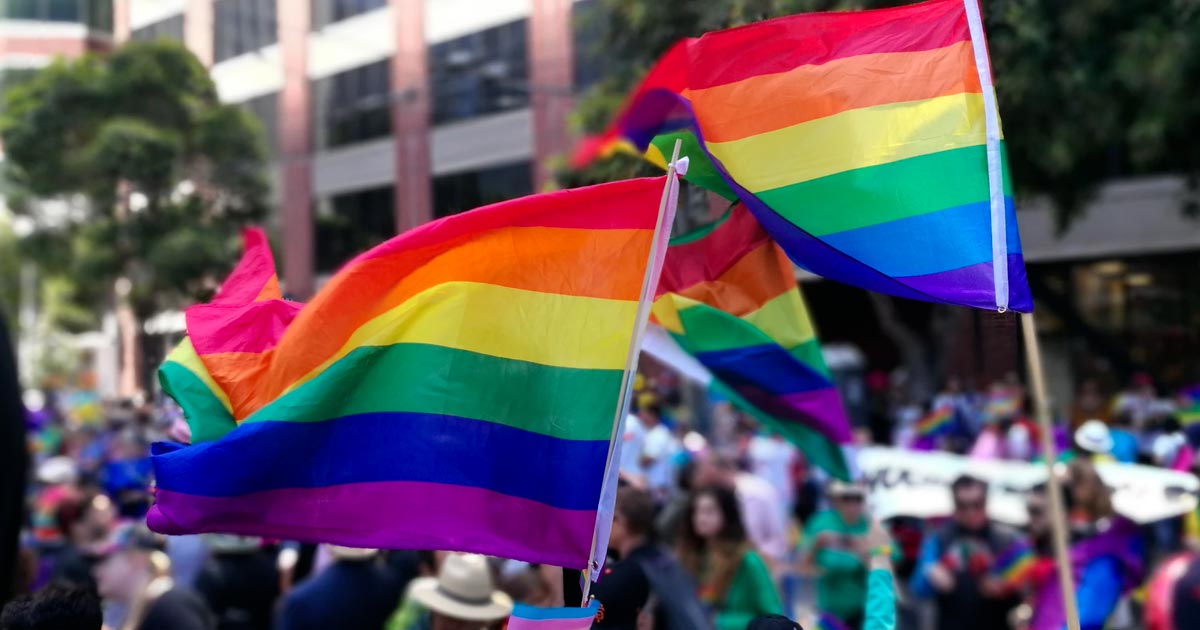
June is a month of pride. As France celebrates gay pride with a parade on June 26, it's an opportunity to look back at the history of LGBTQ+ activism in favor of access to medical cannabis.
Historical links
Medical cannabis certainly wouldn't be what it is today without the LGBTQ+ communities. When members of the LGBTQ+ community began dying of HIV/AIDS in the 1980s, the American healthcare system and political machine largely turned a blind eye to the epidemic that would kill hundreds of thousands of gay people.
In the absence of medical care, national empathy and viable treatment options, cannabis has become a useful and effective tool for combating some of the worst complications and symptoms of HIV/AIDS. Cannabis use often stimulates patients' appetites, reduces nausea and relieves muscle pain, some of the most common complications of the disease.
Some people have also defended both AIDS patients and access to cannabis. One of the earliest advocates of the legalization of cannabis for medical use was Dennis Peron.
The father of medical cannabis
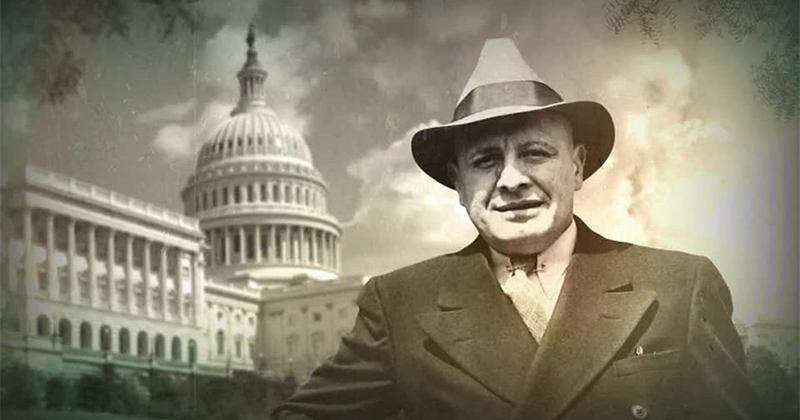
Dennis Peron, aka the «Father of Medical Cannabis», has dedicated his life to advocating the medical use of cannabis and passing Proposition 215, the first medical cannabis initiative in California in 1996.
In the late 1970s, Dennis Peron opened the Big Top Pot Supermarket on the top two floors of a Victorian house in the Castro District, where he illegally sold cannabis to thousands of San Francisco residents. Most of the people to whom he sold marijuana belonged to the gay community and were self-medicating with cannabis to manage symptoms related to the virus.
In 1978, San Francisco Supervisor Harvey Milk, who was the first openly gay man to be elected to public office in the country, helped pass a proposal that encouraged local law enforcement to stop arresting and prosecuting people who grew, distributed and possessed cannabis. This proposal is considered the first cannabis decriminalization law passed in the United States.
To the polls, citizens
Dennis Perron first helped pass San Francisco's Proposition P in 1991, which authorized the city's doctors to recommend medical cannabis to patients. Then, in 1992, with the help of Mary Jane Rathbun, a hospital volunteer nicknamed Brownie Mary because she distributed cannabis-infused brownies to AIDS patients, and other activists, Peron created the San Francisco Cannabis Buyers Club, the state's first medical cannabis dispensary.
The apartment was decorated to resemble a café, and dozens of AIDS sufferers were recruited to be filmed buying cannabis at the club and smoking it when the media arrived.
In 1996, Dennis Peron helped launch the Proposition 215 initiative (The Compassionate Use Act of 1996), which was the first initiative to legally allow patients and caregivers to possess and cultivate cannabis for medical purposes. At the time, the Buyers Club Peron operated out of a 3,000-square-meter building and had between 8,000 and 10,000 clients a week. The dispensary was raided that year, and Peron was arrested by the federal government because of the Buyers Club, but the initiative still passed with 55.6 % of the vote in the citizens' referendum that year.
In 2016, Proposition 215 led to a second initiative, Proposition 634. legalize cannabis in California and will be implemented on January 1, 2018.
Greater use in the community
Two decades later, cannabis use in the LGBTQ+ community is significantly higher than in the straight community.
This is not only due to HIV/AIDS, but also to the number of other mental and physical disorders that the queer community is facing at a higher rate. According to the data from a 2015 national survey on drug use, sexual minority adults are twice as likely to use cannabis as heterosexual adults.








CBD is said to promote athletic recovery, without improving performance

294 cannabis clubs in Chile: a booming movement with uneven distribution

Chronic Sciatica: New York Approves First Clinical Trial of a THC-Based Medication

United States: The DEA is accelerating the integration of medical cannabis at the federal level

Florida is nearing one million patients using medical cannabis

Uruguay Revives Its Plan to Allow Tourists to Legally Access Cannabis

In Brazil, researchers are developing an innovative CBD eye drop

Autism: Medical Cannabis Is Linked to Reduced Anxiety

The $28 billion U.S. hemp market remains under threat

