Cannabis in Nepal: The Supreme Court Paves the Way for Historic Legalization


Nearly five decades after Nepal has banned the cultivation and trade of cannabis, the country's Supreme Court ordered the government to establish a regulatory framework governing the medical, scientific, and industrial uses of cannabis.
The ruling, originally issued on May 18, 2025, was not made public until late October 2026. Its publication was delayed after a fire at the Supreme Court during the September 2025 protests prevented access to the document.
The government now has three months from the date of official receipt of the order to put the necessary regulations in place, which could allow, for the first time in decades, the licensed cultivation of cannabis.
Nepal's ban on cannabis is the subject of a legal challenge
In 1976, Nepal banned the cultivation and trade of cannabis amid intense international pressure, particularly from the United States—which was then engaged in its «war on drugs»—and the United Nations. This legislative change also addressed domestic concerns regarding drug use and trafficking.
The 1976 Narcotics Control Act then criminalized the cultivation, sale, and use of cannabis, establishing prison terms and fines. This legislation also contained provisions authorizing controlled production for certain medical, scientific, and industrial purposes, in accordance with the Single Convention on Narcotic Drugs of 1961.
According to the Supreme Court, successive governments have failed to establish the procedures necessary to implement these exceptions.
The Judges Nahakul Subedi and Til Prasad Shrestha They therefore ordered the authorities to establish a system of authorization and oversight covering cultivation, processing, storage, distribution, imports, and exports.
This framework is intended to distinguish between authorized activities and illegal production and trafficking, while ensuring government oversight throughout the supply chain. This decision does not immediately legalize cannabis cultivation but requires the government to implement existing legal provisions.
A cannabis industry rooted in Nepal's history
Cannabis has deep historical, agricultural, and religious roots in Nepal, dating back to before the ban of the 1970s. For generations, local communities have used this plant in traditional Ayurvedic remedies, during religious ceremonies, and for making textiles and ropes. Cannabis also retains cultural significance during the Maha Shivaratri, the Hindu festival dedicated to Shiva.
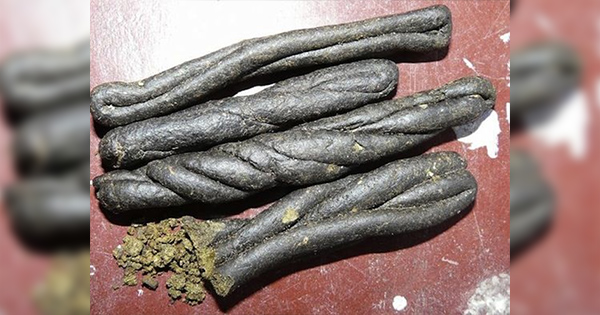
During the 1960s and early 1970s, Kathmandu became a major destination on the hippie trail. Licensed hashish shops operated openly, particularly around the famous «Freak Street» in the capital.
This period came to an end with the tightening of international drug control policies. In 1973, Nepal revoked commercial licenses for cannabis, and three years later, it enacted legislation banning it.
Medical cannabis and hemp could benefit from new regulations
The Court's decision could open up new possibilities for the cultivation of cannabis for medical purposes, pharmaceutical research, and hemp production. Potential applications include textiles, paper manufacturing, and medicinal products, although commercial development depends on the regulatory conditions set by the government.
Policy initiatives aimed at revitalizing the sector have already been launched. In 2020, the former lawmaker Sher Bahadur Tamang introduced a bill proposing the licensed cultivation of cannabis, primarily for medical and export purposes. The bill was never passed.
More recently, in July 2026, the Provincial Assembly of Gandaki unanimously approved it a law authorizing licensed cultivation for medical and industrial purposes.
Could Nepal eventually legalize recreational cannabis?
While the Supreme Court's ruling represents a significant step forward for Cannabis Reform in Nepal, but it does not, however, authorize recreational use. The petitioners had also requested a broader review of the ban, including possible changes to the restrictions on adult use.
The judges concluded, however, that the legalization of recreational cannabis would require legislative action rather than judicial intervention. The Court nevertheless encouraged the authorities to consult with experts and to consider potential reforms in light of Nepal’s economic, social, and cultural context.
















Cannabis in Nepal: The Supreme Court Paves the Way for Historic Legalization

Hempspresso 54 | Le Zap du Canna

After CBD, South Korea is betting on CBG, CBN, and CBC starting in 2027

Massachusetts Rejects Repeal of Cannabis Legalization by an Overwhelming Majority

Organigram is set to acquire Aurora for 360 million euros

Massachusetts Set to Allow Out-of-State Patients Access to Medical Cannabis

Italy Faces a Shortage of Medical Cannabis Following the Bankruptcy of Its Main Supplier

CBG and High Blood Pressure: A New Study Reveals Surprising Cardiovascular Effects

Medical Cannabis: Patients Issue a Formal Notice to the Government to Break the Deadlock

The DEA has approved 900 medical cannabis dispensaries but is closing the door on others
-
 Business2 weeks ago
Cronos Completes the Acquisition of CanAdelaar for 57.5 million euros
-
Cannabis in France3 weeks ago
France already has 3,000 cannabis retail outlets. None of them are legal.
-
Cannabis in Quebec1 week ago
Cannabis: What France Could Learn from Quebec, Eight Years After Legalization
-
Cannabis in the U.S.3 weeks ago
A DEA report confirms that there are no fatal cannabis overdoses
-
Studies on cannabis4 weeks ago
Cannabis Oil and Endometriosis: A Promising Study for Pain Relief
-
Business3 weeks ago
Tilray is accelerating its operations in Europe thanks to a license in Portugal
-
Cannabis in France3 weeks ago
CBD in France: Traceability, Retail Stores, THC and Driving… What the New Bill Proposes
-
CBD4 weeks ago
In Brazil, researchers are developing an innovative CBD eye drop
















You must be logged in to post a comment Login