What makes good cannabis?

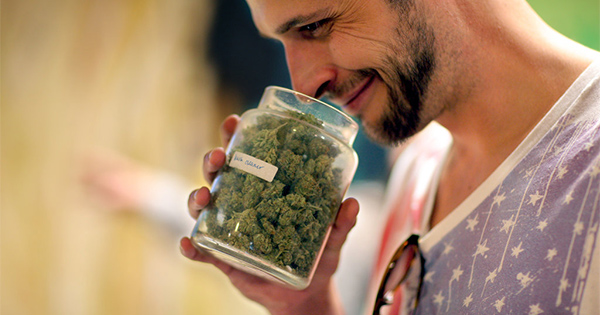
What makes for good cannabis? This question, which every true stoner has asked themselves, sometimes has very personal answers. Indica or Sativa, indoor or outdoor—to each their own. Let’s try, however, to take an objective look at this classification, using specific terminology which closely mirrors that of wine.
1/ The Terroir
Terroir, from Latin Territorium «Terroir» is defined as the characteristics of a region that impart a distinctive character to its produce. Terroir is expressed through several mechanisms.
Latitude
A region’s distance from the equator determines the extent and timing of the day-night cycle. This is especially important for cannabis because its flowering cycle is triggered by the long autumn nights.
At extreme latitudes (such as Canada), winter arrives early in the year, well before the plants are ready to flower. This makes it more difficult to grow slow-maturing Sativa varieties if you don’t want to lose them to bad weather. Latitude is an important factor in explaining why certain varieties are better suited to specific regions.
In Northern California, the development of Sativa/Indica hybrids was largely driven by the desire to create strains that thrive there.
Altitude
Altitude affects the temperatures and UV levels to which plants are exposed. Like wine, cannabis thrives in cold nights and warm days, which enhance its aromas and fruity flavors. At high altitudes, plants are exposed to more ultraviolet radiation, which promotes the production of cannabinoids.
Geography
In general, farms on hillsides experience colder nights—which plants thrive on—than farms located in valley bottoms. Cannabis grown in valleys receives more light, but nights that are too warm can diminish the plants’ aromas. Mountain farms also benefit from greater air circulation, which is beneficial to cannabis plants.
The ground
The soil is an important component of the terroir, but since most crops are grown indoors, its effects go unnoticed.
Humans
In Europe, wine-making recipes have become a tradition, but they are also governed by laws. Countries where cannabis cultivation is permitted have developed unique cultivation methods. However, it is difficult to identify local traditions in the United States in the same way one might for French wines.
What can we take away from all this? With an increasing emphasis on quality—which is achieved, in particular, through a in-depth knowledge of cannabis And with outdoor cultivation, issues related to terroir become important. Historically, cannabis was sold on the black market; as a result, the end customer had no information about the origins of their product. A bill of law recently passed by the California Senate provides for a naming system for cannabis grown in California. This is a development that both patients and producers have been looking forward to.
In California, outdoor growers are increasing their visibility by creating their own own brand. When industrial-scale cannabis farms begin to set up operations in California’s Central Valley, terroir will become a way for small-scale growers to remain competitive.
2/ Aging
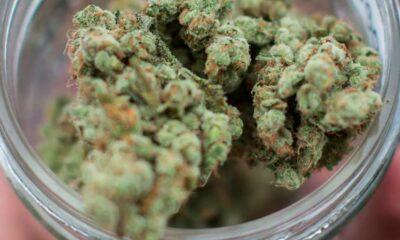
Like wine, the Cannabis can be aged. The practice is becoming more and more common as techniques continue to evolve. All the good clinics make sure the cannabis is properly dried, cleaned, and ready for consumption before adding it to their menu. Aging simply takes the cleaning process one step further.
Well-aged cannabis can produce a smoother smoke and have more complex aromas than cannabis that has simply been «cleaned.» Over time, the chlorophyll in the buds breaks down, reducing the grassy flavors and revealing unique aromas. As the chlorophyll fades, the green color of the cannabis will take on a slight brownish tint.
How do you age cannabis?
If cannabis is stored under inappropriate conditions, it may develop mold or quickly lose its THC. For this reason, aging should preferably take place in airtight glass jars. It is crucial that the buds not be exposed to sunlight, so the jars should be stored in a dark place. Cannabis thrives in cool temperatures, which slow the breakdown of cannabinoids (THC, CBD, etc.) and prevent mold. Some people recommend storing cannabis in the refrigerator, but fluctuations in humidity can damage your buds. In any case, do not put your cannabis in the freezer. Frozen trichomes will be fragile and break easily.
If the cannabis has been properly cleaned before aging, let it age undisturbed. Opening the jars exposes the buds to oxygen, which accelerates the breakdown of cannabinoids. Similarly, constantly moving the jars can damage the trichomes.
How long should cannabis be allowed to age?
It’s an open question, but a safe bet is no more than a year. In this respect, cannabis is similar to modern wines, which do not improve with long-term aging. Even under the best conditions, THC slowly breaks down into CBN. While CBN, in small doses, counteracts any potential THC-induced feelings of anxiety, in high doses, it causes drowsiness. Well-aged cannabis will be smoother than when it was fresh, and will have more intense aromas!







«Vincy Gold»: Humboldt Seed Company on the Hunt for Saint Vincent Sativas

Cronos Completes the Acquisition of CanAdelaar for 57.5 million euros

Cannabis with a "bloody" twist: Discover Sensi True Blood and Sensi Sangria, the two new strains from Sensi Seeds

Hemp: The Council of the EU Takes a Stand on New Production and Marketing Rules

Missouri's legal cannabis market accounts for 93 % of consumer spending

THC Gummies: How to Read a Certificate of Analysis Before Buying

British patients now have access to THCV-rich cannabis flowers

Spain: Medical Cannabis Is Coming to About 50 Hospitals

JIHE 2026: Japan’s Largest Trade Show Dedicated to Hemp and CBD Returns to Tokyo with More Than 100 Industry Players

New Caledonia: The Courts Clear the Way for the Return of CBD
-
 Business3 weeks ago
The legal cannabis market in New York exceeds 4 billion $ in revenue
-
Cannabis in France1 week ago
France already has 3,000 cannabis retail outlets. None of them are legal.
-
Cannabis in the U.S.1 week ago
A DEA report confirms that there are no fatal cannabis overdoses
-

 Cannabis and driving4 weeks ago
Medical Cannabis and Driving: New South Wales Ends Automatic Penalties for THC
-
Cannabis in France3 weeks ago
France’s Drug Policy Chief Defends Cannabis Prohibition... and Runs Into the Facts
-
Studies on cannabis2 weeks ago
Cannabis Oil and Endometriosis: A Promising Study for Pain Relief
-
CBD3 weeks ago
In Brazil, researchers are developing an innovative CBD eye drop
-
Autism4 weeks ago
Autism and Cannabis: Results from the First Placebo-Controlled Trial of NTI164
















You must be logged in to post a comment Login