Missouri's legal cannabis market accounts for 93 % of consumer spending

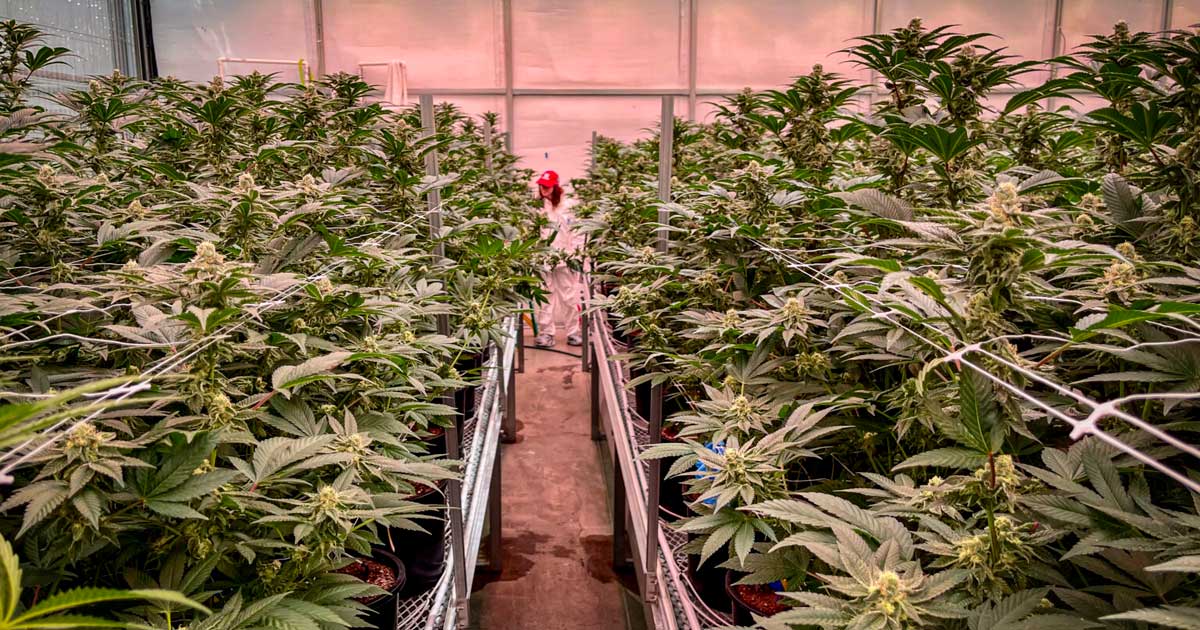
The legal cannabis market Missouri now captures about 93% Consumer Expenditures, leaving only 7% to illegal and other unregulated sources, according to a new study commissioned by the government and published in October 2026.
The results suggest that Missouri's regulated cannabis industry has become the dominant purchasing channel less than four years after the Recreational sales to begin in February 2023.
Led by Cannabis Public Policy Consulting (CPPC) on behalf of the Missouri Department of Health and Senior Services, this study examined purchasing habits, competition, and market access, providing a detailed overview of how effectively legalization has redirected cannabis-related spending toward licensed businesses.
Legal dispensaries account for the lion's share of cannabis-related spending
The researchers surveyed 1,200 adults in Missouri who had used cannabis in the previous month, while also analyzing 35 months of sales and tracking data provided by the state.
Consumers reported spending an average of 161.811 TP4T of cannabis per month, including 149,951 TP4T were distributed to approved clinics and delivery services.
By comparison, average monthly spending amounted to only 5,26$ at illegal retailers and 4,79$ for cannabis purchased from friends or relatives. Home cultivation, caregivers, and other informal channels accounted for much smaller amounts.
The remaining 7 should not be interpreted solely as illegal sales. They also include informal exchanges and other methods of acquisition that are not necessarily illegal.
The researchers compared the estimates from their survey with Missouri's official cannabis tracking system and found that reported legal expenditures matched recorded sales, which reinforces the reliability of the results.
Why Missouri's Illegal Cannabis Market Is Losing Ground
The study suggests that the price, THC content, and convenience are more important to consumers than whether or not the cannabis comes from a licensed retailer. Price influenced the purchasing decisions of 66% of those surveyed, while 58% identified THC content as an important criterion.
Among consumers who purchase from illegal sellers, 62% quoted the price and 35% for convenience.
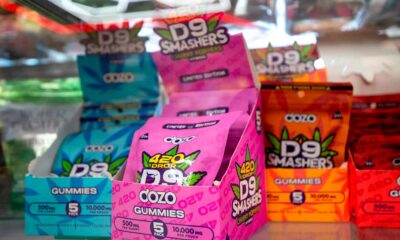
Cannabis flowers remain the top product category in Missouri, accounting for about half of consumers' monthly spending. Respondents spent an average of 80,88$ on flowers, compared with 28,40$ on vaping products and 25,69$ on edible products.
Legal operators have also captured substantial shares of product volumes, including 93% of the pre-rolled joints, 88% of vaping products and 85% of flowers.
Cannabis-infused beverages were an exception, with only 55% of the reported units obtained through authorized channels, which may reflect competition from THC-based products derived from hemp sold outside of clinics.
The report also revealed that the patients registered for medical cannabis generally purchased larger quantities than recreational users.
What's next for the cannabis industry in Missouri?
Since legal businesses already account for the bulk of reported spending, researchers say Missouri’s next challenge is to maintain competition rather than simply diverting consumers away from illegal sellers.
Their analysis revealed no signs of excessive concentration of sales among dispensaries, growers, or manufacturers, although it was unable to determine the distribution of ownership among the companies.
The report recommends reviewing the geographic requirements for licensing, monitoring market concentration, and investigating the informal distribution of cannabis.
However, its conclusions must be viewed in context: the 93% market share reflects the spending of the consumers surveyed, not a direct measure of all illegal transactions.
For Missouri, the central issue may therefore shift. Rather than asking whether legalization can supplant unregulated cannabis sales, policymakers must determine how to maintain a competitive legal market while addressing the smaller portion of spending that remains outside of it.



















Proposition 215, 30 Years Later: When Cannabis in California Was a Movement, Not an Industry

Village Farms Expands Cannabis Production in the Netherlands while its European Business Jumps by 75%

Bedrocan's bankruptcy delays medical cannabis reform in the Netherlands

Where to Buy Affordable CBD in 2026? Our Tips for Making the Right Choice

"No authorization, no organic certification for CBD products," rules the European Court of Justice

Denmark Revises Medical Cannabis Prices Following Errors

Silent Seeds introduces its CB2 gummies: a new generation of THC-free wellness products

2,800-Year-Old Cannabis Seeds Discovered in Siberia

2026 U.S. Midterm Elections: A Major Victory for Cannabis Legalization

The United Kingdom is set to ban THCA and HHC
-
 Business3 weeks ago
Cronos Completes the Acquisition of CanAdelaar for 57.5 million euros
-
Cannabis in France4 weeks ago
France already has 3,000 cannabis retail outlets. None of them are legal.
-
Cannabis in Quebec2 weeks ago
Cannabis: What France Could Learn from Quebec, Eight Years After Legalization
-
Cannabis in the U.S.4 weeks ago
A DEA report confirms that there are no fatal cannabis overdoses
-
Cannabis in France4 weeks ago
CBD in France: Traceability, Retail Stores, THC and Driving… What the New Bill Proposes
-
Business4 weeks ago
Tilray is accelerating its operations in Europe thanks to a license in Portugal
-
Cannabis in New Zealand2 weeks ago
Chronic Pain: New Zealand Is Testing Cannabis to Improve Sleep
-
CBD4 weeks ago
October 2026 CBD Highlights: 10 Strains and Hash to Discover from 5 French Producers













You must be logged in to post a comment Login