
Medical Cannabis and Driving: New South Wales Ends Automatic Penalties for THC

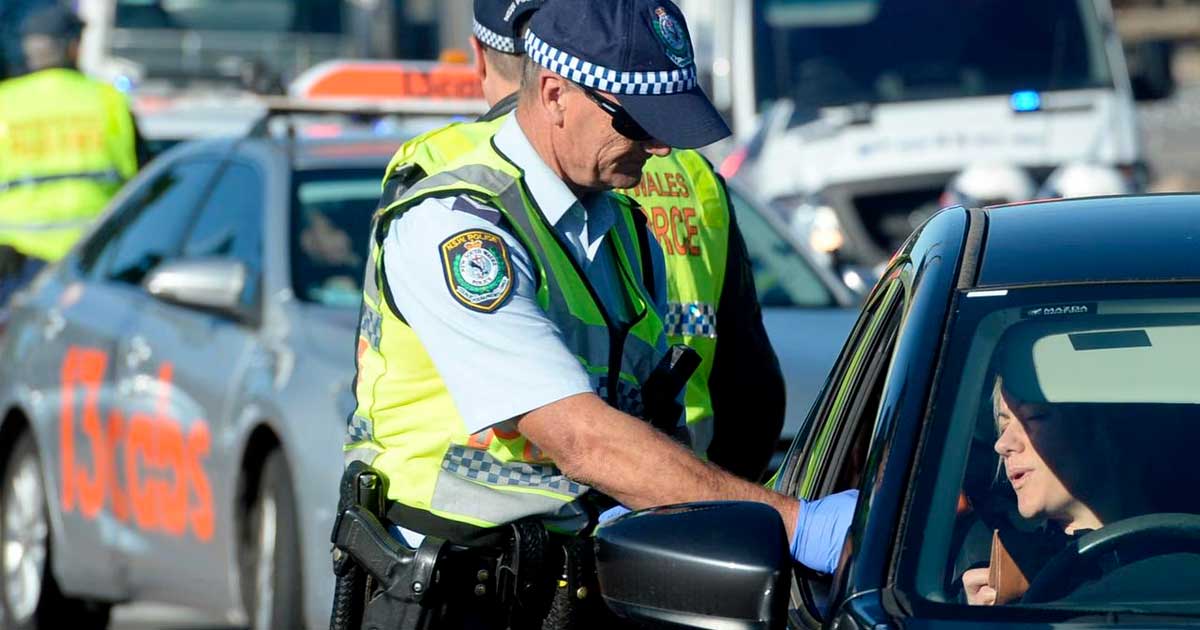
The State Legislature of New South Wales, in Australia, has passed a law aimed at preventing patients who are legally prescribed medical marijuana do not automatically lose their driver's license simply because of THC is detected in their bodies.
However, this reform does not give patients carte blanche to drive after using cannabis: driving under the influence of substances remains prohibited, and traffic stops will continue.
A New Regulatory Framework for Medical Cannabis and Driving
Adopted by the New South Wales Parliament September 18, 2026, and reported by Cannabisindustrie.nl, the 2026 bill amending the Road Transportation Act (medical cannabis and traffic violations) changes the way authorities handle certain drivers who have been prescribed medical marijuana.
So far, the presence of THC could result in penalties, including an immediate three-month suspension of the driver's license, even if it was not proven that the driver was impaired. According to the Minns' Labor government, this framework posed difficulties for patients who had been prescribed cannabis for conditions such as cancer-related symptoms, severe pain, nausea, and post-traumatic stress disorder.
Under the new system, eligible patients will be able to register with Transport for NSW. They must provide proof of a valid medical prescription and complete an online training program on cannabis and road safety.
This provision will apply only to holders of a New South Wales driver’s license. Learner drivers, holders of a provisional license, and professional drivers will not be eligible for this exemption.
A threshold of 50 ng/ml of THC following laboratory analysis
The reform does not eliminate the roadside drug tests. Police procedures will remain in effect, and a registered patient who tests positive during a roadside test will still be subject to an immediate 24-hour driving suspension while the sample is sent to a laboratory.
The main difference arises later on. When laboratory analysis detects a THC content less than 50 ng/ml, registered patients who meet the program's eligibility requirements will not be subject to any further action.
Starting on threshold of 50 ng/ml, a first or second violation within a two-year period will result in a warning. A third violation during the same period will result in penalties, including a a $722 fine and a license suspension of at least three months. The government notes, however, that registration does not protect drivers whose abilities are impaired.
«We couldn’t be clearer: no one should drive under the influence of cannabis, alcohol, or any other drug. This policy remains unchanged, and drivers will continue to be subject to checks.»
Road safety measures remain in effect
Several restrictions accompany this reform. Registered patients must not have alcohol or other drugs in their systems, while the standard penalties for driving under the influence of narcotics will continue to apply if multiple illicit substances are detected.
Drivers who show signs of impaired driving ability may still be prosecuted for serious offenses involving driving under the influence of substances, including those who are registered patients for medical cannabis use. Blood and urine tests following an accident will also continue to be conducted in the wake of serious collisions.
The THC detection threshold during traffic stops is not changed in and of itself. However, the legislation introduces a differentiated response following laboratory confirmation for eligible and registered patients.
For the Minister of Roads and Regional Transportation, Jenny Aitchison, the goal is to distinguish between legal medical use and driving while impaired.
«As we have said from the outset, these reforms strike a balance between road safety and the need for a new system for patients who depend on this legally prescribed medication, without fear of being treated like criminals.»
Implementation is scheduled for early 2027
Transport for NSW is currently developing the mandatory training program required to participate in the program. The registry and the training module are expected to be operational between late 2026 and early 2027. The new framework will then be reviewed after one year, in accordance with the recommendations of the State Drug Summit.

















A new tax of 0.5% could disrupt the hemp industry in Canada

Medical Cannabis and Driving: New South Wales Ends Automatic Penalties for THC

China's Yongji Health Takes Control of Tasmanian Botanics

Autism and Cannabis: Results from the First Placebo-Controlled Trial of NTI164

Which countries legalized medical cannabis before France?

From the boom in dispensaries to a purely medical approach: Thailand is revising its cannabis policy

South Korea is preparing to begin local production of medical cannabis to meet rising demand

In the United States, cannabis use among high school students has reached an all-time low

Medical cannabis use surges by 64 % in Denmark

Canopy Growth Enters the U.K. Market with Four Canadian Strains
-
 Cannabis and driving2 weeks ago
Cannabis and CBD: French Drivers Can Now Lose Their License Even Without a Positive Test Result
-

 Cannabis in France2 days ago
Which countries legalized medical cannabis before France?
-
Cannabis in France3 weeks ago
Cannabis Legalization: The LFI Bill Has a Major Problem—THC
-
Cannabis in the Netherlands2 weeks ago
One year after the launch of the Dutch cannabis experiment, the first trends are emerging
-
Cannabis in France2 weeks ago
French medical cannabis remains stalled at the Ministry of Health
-
Cannabis in Argentina1 week ago
Argentina Opens Its Market to Hemp Flowers Containing 1% of THC
-
Business3 days ago
South Korea is preparing to begin local production of medical cannabis to meet rising demand
-
Business2 weeks ago
The United Kingdom Is Moving Closer to a Regulated CBD Market












You must be logged in to post a comment Login