Hemp: The Council of the EU Takes a Stand on New Production and Marketing Rules

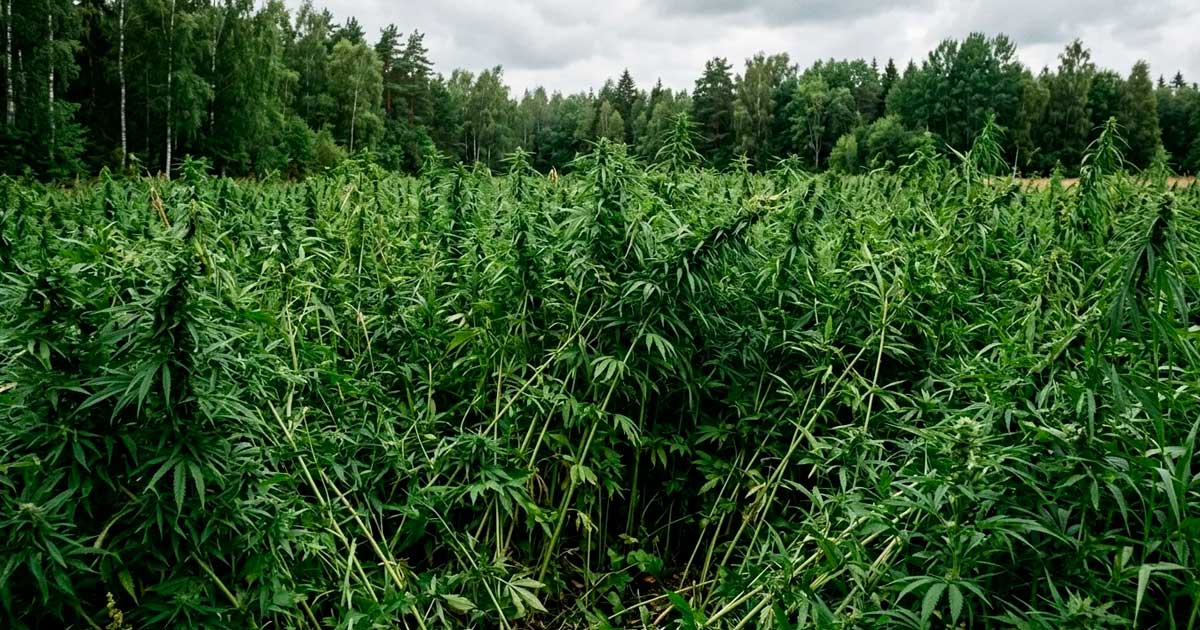
The Council of the European Union has agreed on a negotiating position that could redefine the legal framework for industrial hemp at the European level. Whether it involves recognizing more parts of the cannabis plant Whether it is treating cannabis as an agricultural product or harmonizing THC requirements, the proposed changes represent a significant step forward for the sector, without, however, eliminating current national restrictions and regulatory uncertainty.
On October 19, 2026, the EU Council’s Special Committee on Agriculture reached a partial negotiating mandate regarding amendments to Regulation (EU) No. 1308/2013, which governs the common organization of agricultural markets.
Among the proposed changes is a new European framework for the production, marketing, and importation of hemp, aimed at resolving the various legal uncertainties affecting farmers, processors, and businesses in the CBD sector.
This text, published as Council Document No. 14647/26, marks a significant step toward recognizing hemp as a crop with multiple commercial applications, rather than merely as a source of industrial fibers.
The Council's position will serve as the basis for negotiations with the European Parliament; the provisions may still change before they take effect.
Hemp Recognized for More Than Just Fiber Production
To date, the EU’s common agricultural market framework has focused largely on raw hemp, particularly hemp fiber. The amendments proposed by the Council would explicitly extend the flax and hemp sector to include other hemp-derived products, including the seeds and other parts of the plant.
This is particularly important for companies that use hemp flowers, leaves, and biomass, which have faced differing regulatory interpretations across Member States.
The Council recognizes that innovation and the development of the bioeconomy have created new opportunities for using hemp biomass beyond traditional fiber production.
The proposal also recognizes the Environmental Benefits of Hemp, particularly its contribution to soil structure and its relatively limited need for agricultural inputs. By expanding the range of products covered by the common market organization, the EU would establish a clearer agricultural framework for the cultivation of the entire hemp plant.
A common threshold of 0.3% of THC
The Council's negotiating position sets a maximum content of delta-9-tetrahydrocannabinol (THC) 0.3% for eligible hemp varieties.
This threshold already exists in the EU’s agricultural framework, particularly for determining eligibility for Common Agricultural Policy subsidies. The proposed regulation would expand its scope by incorporating it into the common rules governing the production, marketing, and importation of hemp.
Under the proposed Sections 147-ter and 147-quater, hemp should generally come from varieties listed in the common catalog varieties of agricultural plant species in the EU and comply with the applicable seed certification requirements.
The proposal also provides for exceptions for certain non-compliant products intended for medical and scientific purposes, subject to applicable law.
A clearer framework for hemp flowers and leaves
For the European CBD industry, the most significant development is undoubtedly the inclusion of other parts of the hemp plant under CN code 1211 90 86. This category specifically covers flowers, leaves, and other plant materials used in the cannabinoid sector. The proposed rules would establish harmonized conditions for placing these agricultural products on the European market.
This is consistent with the reasoning of the’landmark «Kanavape» ruling» rendered by the Court of Justice of the European Union in November 2020, which held that the CBD at issue in this case could not be considered a narcotic drug within the meaning of the relevant international conventions.
Nevertheless, the Council maintained an important distinction between the commercialization of hemp for agricultural purposes and the regulation of its end use. The proposal explicitly authorizes Member States to maintain or introduce national restrictions justified on grounds of public health or public safety, provided that they comply with Union law.
Consequently, the new framework would not automatically eliminate national restrictions on hemp flowers intended for smoking, nor would it resolve the Questions Regarding Food Products Containing CBD, to authorizations for novel foods and other consumer protection regulations.
Certified seeds, inspections, and imports
The legislative proposal also introduces more explicit compliance requirements. Member States would be required to conduct risk-based inspections of hemp production and administrative checks on the marketing of hemp. The European Commission would be granted the authority to establish additional procedures to verify varieties and the THC content.
Import regulations would also be revised to cover a wider range of hemp-based products, including parts of the plant other than raw fiber.
For hemp seeds not intended for sowing, the proposal maintains a specific requirement that imports must be handled by authorized operators in order to prevent their use for cultivation purposes.
National restrictions remain a major obstacle
Despite this effort at harmonization, the Council’s position does not establish a European market for hemp. Member States retain considerable leeway to regulate the end use of hemp-based products, even when their agricultural production and marketing meet EU requirements. The distinction between harmonized agricultural rules and national restrictions on consumer products is therefore likely to become a central issue in the negotiations.
The European Parliament and the Council must also reach an agreement on the text, and the document leaves certain implementation and transition dates to be finalized. The question now is whether this interim decision will result in a truly more integrated market for hemp flowers, biomass, and CBD-related products.




















Hemp: The Council of the EU Takes a Stand on New Production and Marketing Rules

Missouri's legal cannabis market accounts for 93 % of consumer spending

THC Gummies: How to Read a Certificate of Analysis Before Buying

British patients now have access to THCV-rich cannabis flowers

Spain: Medical Cannabis Is Coming to About 50 Hospitals

JIHE 2026: Japan’s Largest Trade Show Dedicated to Hemp and CBD Returns to Tokyo with More Than 100 Industry Players

New Caledonia: The Courts Clear the Way for the Return of CBD

The Brazilian medical cannabis market continues to grow

Morocco: Three Cannabis-Based Medications Approved for the Treatment of Epilepsy

Canopy Growth Receives New EU-GMP Certification to Strengthen Its Presence in Europe
-
 Business2 weeks ago
The legal cannabis market in New York exceeds 4 billion $ in revenue
-

 Cannabis in France4 weeks ago
Which countries legalized medical cannabis before France?
-
Cannabis in France6 days ago
France already has 3,000 cannabis retail outlets. None of them are legal.
-
Business4 weeks ago
South Korea is preparing to begin local production of medical cannabis to meet rising demand
-
Cannabis in the U.S.7 days ago
A DEA report confirms that there are no fatal cannabis overdoses
-
Cannabis in Thailand4 weeks ago
From the boom in dispensaries to a purely medical approach: Thailand is revising its cannabis policy
-
Cannabis and driving4 weeks ago
Medical Cannabis and Driving: New South Wales Ends Automatic Penalties for THC
-
Cannabis in France3 weeks ago
France’s Drug Policy Chief Defends Cannabis Prohibition... and Runs Into the Facts














You must be logged in to post a comment Login