Cannabis tolerance: how to reduce it and how long does it take?
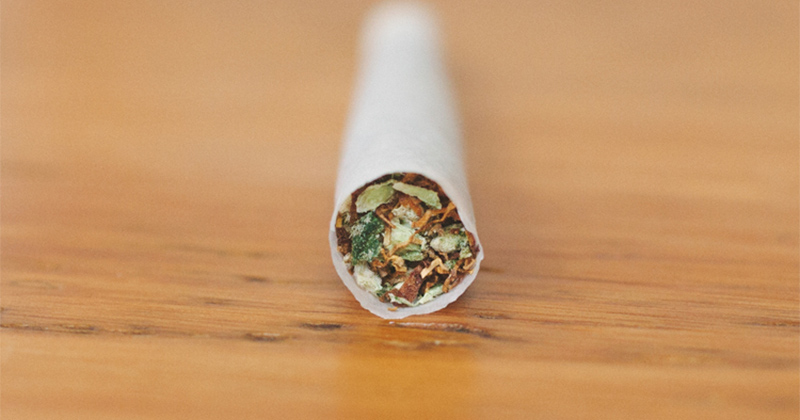
Regular cannabis users know that their tolerance to cannabis varies over time. Despite alternating varieties or changing consumption methods, some users feel the effects of cannabis less after repeated use. It's probably time to take a break, either to test your cannabis addiction, or by lowering its level of addiction.
Why reduce your tolerance to cannabis?
Cannabis doesn't kill brain cells like methamphetamine. Unlike alcohol, it does not destroy the connections between these cells. But repeated use of cannabis does have a diminishing effect, better known as «tolerance»: the user needs more of the drug to get the same effect.
Taking a break from cannabis allows the body to cleanse itself of accumulated cannabinoids, such as THC. The numerous studies on the subject all point in the same direction: regular cannabis users develop tolerance to the drug. A study by Dr. Miles Herkenham of the National Institute of Mental Health on the endocannabinoid system came to the following conclusion:
«The effects are time- and dose-dependent, and reversible. They also appear to be linked to receptors. cannabinoids. The study result has implications for the consequences of chronic, high-level drug use, suggesting that effects diminish while amounts consumed may increase.»
While it is possible to become very tolerant of cannabis and its effects, However, this addiction can be reversed by taking a break from consumption. Some will just reduce their consumption, while others will stop cold turkey.
This break can also involve changing your consumption routine, which can have an impact on the effect of the cannabis and how it interacts with mind and body.
There can be many reasons for taking a break: a new job or a job interview with a drug test, a vacation in a country with little tolerance of cannabis, saving money, getting back to a life without cannabis...
Whatever the reason, this break should open up new perspectives for the consumer, particularly in terms of the effects of cannabis.
What a tolerance break feels like
It is important to distinguish between tolerance withdrawal symptoms those of a cannabis addiction. For a regular, non-addictive user, the first few days of a break can bring :
- Slight irritability and impatience
- Difficulty falling asleep or less deep sleep (cannabis increases slow-wave sleep, its absence creates a rebound of intense REM sleep)
- Reduced appetite for the first few days
- More intense, vivid dreams as a direct result of REM sleep rebound
These symptoms generally disappear after 3 to 7 days, and in the vast majority of cases require no medical attention. If they persist or worsen, however, this is a signal to discuss with a doctor.
How does tolerance to cannabis develop?
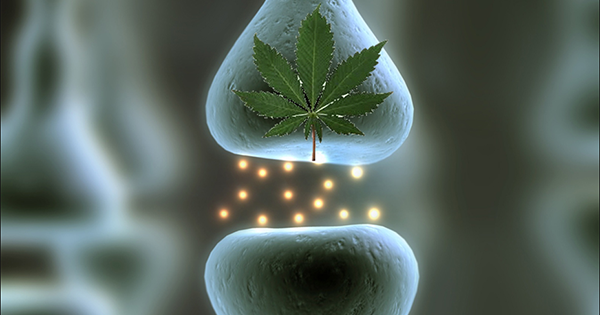
THC induces tolerance through repeated activation of CB1 receptors. This repeated activation first leads to desensitization, which is the weakening of the response to THC, followed by internalization, which is the elimination of CB1 receptors from the cell surface. At this point, the user will need to absorb more THC to experience a similar effect.
The difference between the two is that desensitized receptors are still available for THC to bind to, but when it does bind, its impact is weaker than it used to be. Internalized receptors are no longer available for THC to bind, as they are introduced into the brain cell from the surface, where they either remain or break down into smaller parts.
Activation of CB1 receptors by THC initiates these processes. As CB1 receptors are frequently activated, they become less associated with receptor-stimulating compounds.
The desensitized CB1 receptors are no longer active. As a result, if you continue to use THC, it will have less effect on brain function, as there are fewer receptors for it to act on.
Alternatives to a total break
The complete break (t-break or tolerance break) is not the only option. Other strategies can reduce tolerance without total abstinence:
Switch to microdosing The best way is to drastically reduce the dose (1-5mg THC) rather than stop. Less frequent and less intense activation of CB1 receptors allows partial recovery of their sensitivity.
Changing consumption methods A smoker who switches to vaporization generally consumes less THC per session. The superior efficiency of vaporization means that the effect can be maintained with lower quantities, mechanically reducing the solicitation of CB1 receptors.
Integrating CBD CBD is said to negatively modulate CB1 receptors, slowing down their desensitization in the presence of THC. Switching to varieties or products with a better CBD/THC ratio may help maintain sensitivity for longer.
Varying varieties different terpene profiles and cannabinoid ratios between varieties stimulate the endocannabinoid system, rotation avoids mono-activation of the same receptors.
How long does it take to kick the cannabis habit?
| Pause time | Effect on tolerance | THC cleaning |
|---|---|---|
| 2-3 days | Slight reduction in CB1 desensitization | Partial |
| 1 week | Significant reduction - noticeable effects on return | Partial |
| 2 weeks | Significantly lower tolerance for most | In progress |
| 30 days | Almost complete reset for the majority | Quasi-total (flowers) |
| 90 days | Complete reset, including very heavy consumers | Complete |
The optimum duration depends on the intensity and duration of previous smoking: a daily smoker who has been using for 5 years will need more time than a weekend smoker.
The on the other hand, needs at least 30 days to mature. to totally cleanse itself of accumulated cannabinoids.
Getting back into sport, or any other socializing activity, is a good way of avoiding a rapid return to cannabis.
Users who take a break from cannabis and then start up again should resume gradually. The effects of cannabis will be stronger the first few times, with the risk that they may be surprised.
For those who would like to make a cannabis withdrawal In other words, it may take a little longer to get rid of the psychological addiction that can follow cannabis consumption.





CBD in France: Traceability, Retail Stores, THC and Driving… What the New Bill Proposes

Organigram Enters the Race for Aurora Cannabis

Medical Cannabis: Augur Associates’ latest report provides an update ahead of the publication of the decrees

Golden Buds is relaunching its Nova High vape pens with a cannabinoid formula that’s out of the ordinary

Cannabis is now Canada's fifth-largest commercial crop

Bedrocan Finally Declared Bankrupt

After CBD, Can Wellness Exist Without Cannabinoids?

Uganda Launches a Cooperative Dedicated to Medical Cannabis

Ukraine: First Cancer Patient Prescribed Medical Cannabis

