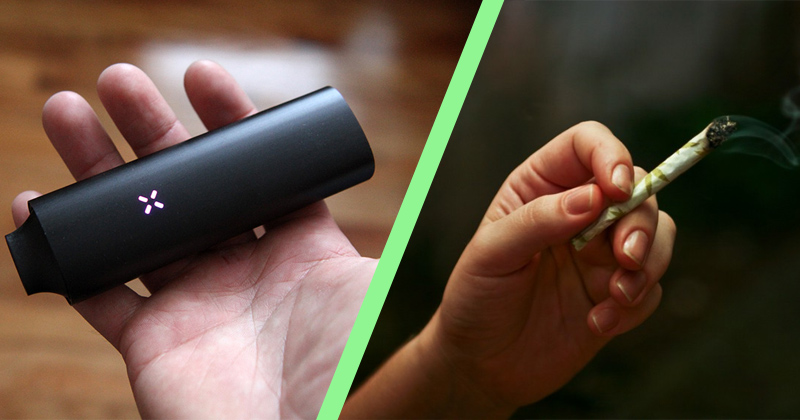
Vaporizing or smoking cannabis: a comparison of health, efficacy and temperatures
In France, the joint smoked with tobacco remains the dominant mode of consumption. However, in countries where prevention is practised freely, and increasingly on the legal market, the use of tobacco is becoming increasingly widespread. vaporization has established itself as the healthiest alternative to combustion. Here's a full comparison of the two methods, their health effects and what the science says.
Smoking vs. vaping: the basic mechanism
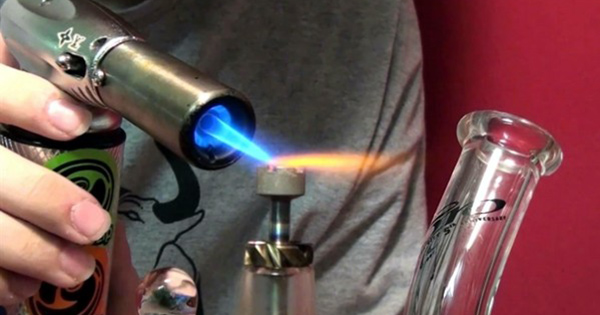
Smoking Combustion of cannabis (seal, pipe, bang) reaches temperatures between 800 and 900°C. At these temperatures, in addition to cannabinoids and terpenes, Smoke contains a significant quantity of toxic by-products: carbon monoxide, tar, benzene, acrolein and other carcinogens. Research has shown that 88% of compounds inhaled in cannabis smoke are not cannabinoids - i.e. they have no therapeutic or recreational effect, but can harm the respiratory tract.
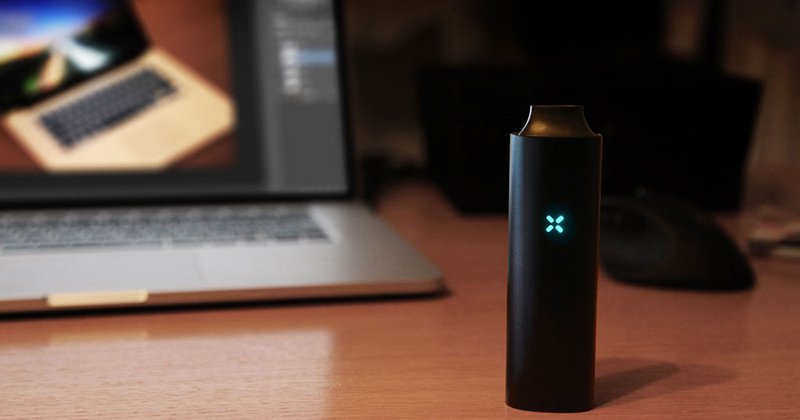
Spray one spray heats cannabis to a controlled temperature, below the point of combustion. Cannabinoids and terpenes are released in vapor form, without the plant material burning. Inhaled vapor contains about 95% of cannabinoids, compared with a much smaller fraction in smoke.
Comparison table
| Smoking (joint/pipe) | Spray | Water pipe (bang) | |
|---|---|---|---|
| Temperature | 800-900°C (combustion) | 160-220°C (steam) | 800-900°C (combustion) |
| Inhaled cannabinoids | ~12% | ~95% | ~12% (water-filtered) |
| Carcinogens | Yes | No | Small but present |
| Carbon monoxide | Yes | No | Yes |
| Effect on the lungs | Irritation, bronchitis | Minime | Reduced vs. joint |
| Odor | Strong, persistent | Lightweight, dissipates quickly | Strong |
| Efficiency | Low (combustion loss) | High | Low |
| Long-term cost | High (higher consumption) | Low (less cannabis required) | Medium |
Vaporization temperatures: a key parameter
Temperature control is one of the great advantages of the vaporizer - and the reason why connoisseurs are embracing it beyond the health aspect.
| Temperature | Effect | Cannabinoids / active terpenes |
|---|---|---|
| 160-170°C | Light, cerebral, intense aromas | Low THC, light terpenes (myrcene, limonene) |
| 170-185°C | Balanced, fast onset | Optimal THC, CBD, medium terpenes |
| 185-200°C | More intense, more corporeal | High THC, CBN, heavy terpenes (beta-caryophyllene) |
| >200°C | Very powerful, less aromatic | Heavy cannabinoids, loss of fine terpenes |
At low temperatures, volatile terpenes are preserved and the aromatic experience is maximized: this is the principle of the low temp dab applied to the flower. At higher temperatures, the effects are more powerful, but the aromas are impoverished.
The 6 advantages of vaporization
1. Respiratory health No combustion, no carbon monoxide, no tar, no carcinogens. Studies show a significant reduction in respiratory symptoms in users switching from joints to vaporizers.
2. Improved efficiency 95% of cannabinoids inhaled, compared with a much lower fraction burned. In practical terms, you consume less cannabis for the same effects - which translates into real savings over the long term.
3. Flavor preservation controlled heat preserves the terpene profile of the variety - vaping is often the way to rediscover the true aroma of a flower you've been smoking for years.
4. Discretion The vapor dissipates quickly and does not impregnate clothing, hair or space. The odor is much less persistent than that of a gasket.
5. Dose control temperature control and softer steam facilitate gradual consumption, particularly useful for microdosing or medical cannabis patients.
6. Reusability of vaporized cannabis (ABV - Already Been Vaped): vaporized cannabis, which remains brown and unburned, still contains partially decarboxylated cannabinoids. It can be reused as an infusion or edible, unlike the ashes of a joint.
The limits of vaporization
Vaporization is not without its drawbacks.
Initial cost A good portable vaporizer costs between €80 and €250, while a quality tabletop vaporizer costs between €150 and €500. The investment quickly pays for itself in reduced cannabis consumption, but it does represent a barrier to entry.
The learning curve Finding the right temperature, the right grind and the right inhalation technique takes a few sessions of adaptation - the effects may not seem as immediate as a joint at first.
EVALI and illegal cartridges In 2019, a wave of serious lung diseases in the United States (EVALI - E-cigarette or Vaping product use-Associated Lung Injury) has been attributed to illegal cannabis vape cartridges containing vitamin E acetate as a diluent. This risk is specific to unregulated cartridges; dry flower vaporizers or cartridges from legal, controlled markets do not present this risk.
Water pipes: a false good idea?
The water pipe (bong) is often perceived as healthier because water filters out smoke. It eliminates some of the tar and particulates but combustion remains at 800-900°C. Carbon monoxide and gaseous carcinogens pass through the water unfiltered. Some studies even suggest that bong users compensate for filtration by inhaling deeper and longer, thereby increasing exposure to remaining toxins. The water pipe is less harmful than a joint, but much less effective than a vaporizer.










«Vincy Gold»: Humboldt Seed Company on the Hunt for Saint Vincent Sativas

Cronos Completes the Acquisition of CanAdelaar for 57.5 million euros

Cannabis with a "bloody" twist: Discover Sensi True Blood and Sensi Sangria, the two new strains from Sensi Seeds

Hemp: The Council of the EU Takes a Stand on New Production and Marketing Rules

Missouri's legal cannabis market accounts for 93 % of consumer spending

THC Gummies: How to Read a Certificate of Analysis Before Buying

British patients now have access to THCV-rich cannabis flowers

Spain: Medical Cannabis Is Coming to About 50 Hospitals

JIHE 2026: Japan’s Largest Trade Show Dedicated to Hemp and CBD Returns to Tokyo with More Than 100 Industry Players

