
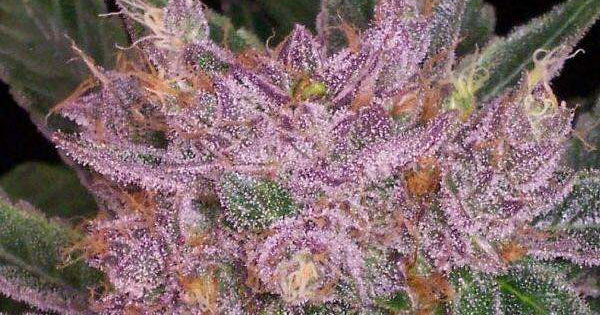
What is a cannabis variety?
Most consumers have already heard of classic varieties such as the Skunk or the White Widow, or newcomers like the Girl Scout Cookies or Frisian Duck. In fact, hundreds of cannabis strains have been developed, most of them in the last few decades. Some experts even estimate the number of strains to be as high as 6,000.
But what exactly is a cannabis strain? Why does one strain give you a boost of energy and help you stay productive, while another makes you lethargic and gives you the munchies?
As legalization spreads, cannabis enthusiasts are gaining a deeper understanding of the strains that suit them best, as well as their preferred methods of consumption. Weed, concentrates, and solvent-free extracts are made from all kinds of strains. In cities or states where cannabis is legal, patients can choose from energizing strains such as the Durban Poison, which is ideal for combating depression or treating symptoms of post-traumatic stress, or like Blueberry Kush, which is more effective against pain and nausea.
The Black Market
Unfortunately, for anyone forced to buy on the black market, there’s no choice in the matter. Prohibition prevents patients from directly accessing strains that are effective for their condition. A dealer can always pass off Skunk as White, counting on his customers’ ignorance.
The truth is, neither the dealer nor the customer knows what they have in their hands. And most of them don’t care. That’s the nature of the black market, and it’s why legalization brings order to the market. Patients or legal consumers can go to a dispensary and choose a specific strain. The salespeople, who usually know their strains like the back of their hands, will be there to help them choose the right one—so they won’t end up stuck on the couch or way too hyper after smoking before bed.
Indica vs. Sativa
The first thing you need to know is how to make the difference between Indica and Sativa cannabis. Morphology, shape, and structure vary depending on these two main categories.
Sativas tend to be tall and slender, with thin, pointed leaves. Indicas, on the other hand, are more often short and stocky, with broad, thick leaves.
Indica strains often have very strong, «skunky» aromas (a skunk-like smell that’s very pungent), while sativa strains tend to have milder, spicier aromas.
Sativas tend to have an energizing effect, while Indicas promote relaxation and rest. So the stereotype of the lazy, hungry smoker probably comes more from the indica side of the plant! Indicas are also more common on the black market because they often produce a larger yield, with shorter flowering cycles, and therefore more weed per year.
Hybrids
A hybrid is simply a cross between two cannabis strains. Hybrids inherit characteristics from both parents. Some These varieties have thus left their mark on the history of the breeding. To put it simply, when a hybrid exhibits a particular sativa trait, the strain can be considered a sativa-dominant strain, halfway between a pure sativa and a 50/50 sativa/indica strain.
Examples of hybrid strains include Blue Dream, AK-47, and Sour Diesel. Depending on a patient’s desire for psychoactive effects or medical needs, hybrids can offer a good balance for relieving pain or nausea while keeping the patient alert and motivated throughout the day.
Cannabis hybrids do not necessarily produce high-quality strains. In the future—particularly as research into the plant’s genetic profiles advances—we should see the development of methods for identifying cannabis strains based on their terpene and cannabinoid profiles.
The varieties can then be cultivated using scientific methods for specific purposes. We lose a bit of the charm of farming, but we gain in effectiveness—for example, in treating cancer or epilepsy.
What defines an indica and a sativa?
Now that we've looked at the differences between Indica and Sativa, we might wonder what, from a botanical standpoint, defines the category to which a cannabis strain belongs. One might say that the cannabinoids are taken into account, along with the different levels of THC, CBD, or CBG.
In fact, it’s actually a terpene that defines a strain’s category: myrcene. Myrcene is one of the 20,000 terpenes found in nature, and one of the 200 found in cannabis. It can account for up to 50% of a plant’s total terpene content. And more importantly, it enhances the effects of THC.
The myrcene content determines whether a plant belongs to the indica or sativa category. If the myrcene content in the plant is greater than 0.5%, it is an indica. Otherwise, it is a sativa. Myrcene is an analgesic and muscle relaxant, which is why indica is recommended for treating pain and relaxing muscles.
Research Needs
Beyond the plant’s actual composition, scientists are realizing that the effect of a single cannabinoid differs when it is combined with other cannabinoids. This phenomenon is called, the entourage effect.
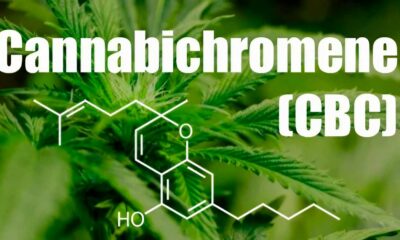
Some, such as the CBC or the THCV will amplify the effects of THC. While others, such as CBD or CBN will regulate it, or even limit its psychoactive effects.
The same is true for the various terpenes, which interact in complex ways. Our understanding of these mechanisms will only grow with further research, which underscores the need to reclassify cannabis from Schedule I of the U.S. Schedule of Controlled Substances or to facilitate the authorization of cannabis research in Europe—a process that remains complicated at present.






Restless Legs Syndrome: Cannabinoids Show Promising Results, but the Evidence Remains Weak

What if CBD enhanced the effects of THC? A comprehensive analysis challenges a common misconception

Medical cannabis: A U.S. study finds a 6.9% reduction in absences from work

Andorra Paves the Way for Medical Cannabis Cultivation

Aurora Rejects Curaleaf's Hostile Bid and Opens the Door to Other Suitors

Cannabis in Quebec: The 21-Year-Old Age Requirement in the Spotlight

Drought: Could Hemp Become the New Hope for French Farmers?

United States: Congress Rejects Ban on THC Derived from Hemp

Quick Hit August 2026: What We Missed in Recent Weeks
