
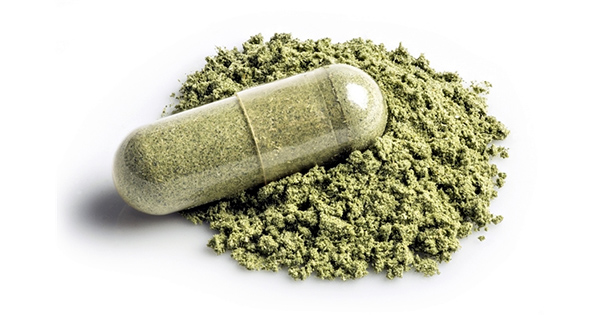
CBD and the entourage effect
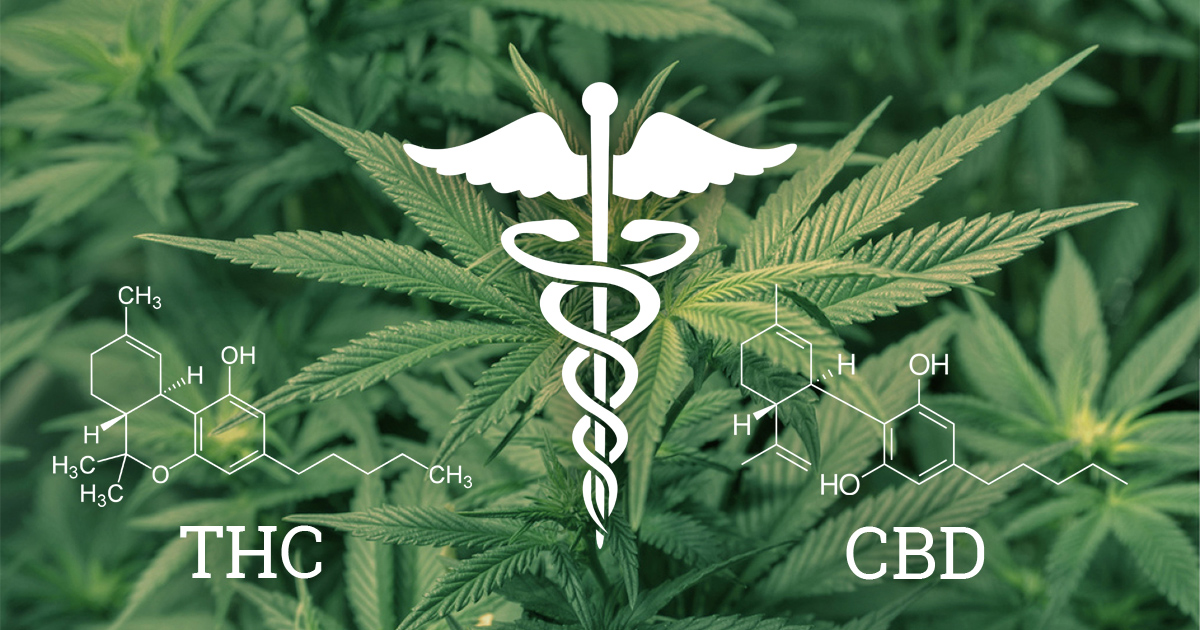
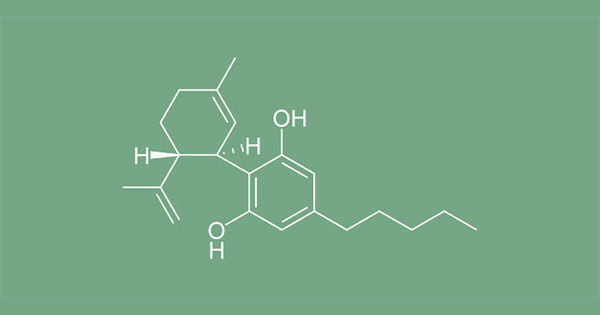
Some U.S. states have legalized CBD, while banning substances containing THC. This is a conservative approach that can already provide patients with access to certain treatments, such as CBD oil for epilepsy.
However, dozens of others cannabinoids and terpenes also have therapeutic effects. From further research highlight the synergistic effect of these molecules, revealing that an isolated cannabinoid might provide benefits to only a minority of patients. Combining several or all of the cannabinoids might be more effective medically.
According to the U.S. National Institutes of Health, the delicate interaction between cannabinoids and terpenes, called entourage effect, can be used to treat «pain, inflammation, depression, anxiety, addiction, epilepsy, cancer, and fungal and bacterial infections.».
The whole plant, as well as multi-cannabinoid extracts, could therefore prove to be more effective for the majority of patients.
Does CBD alone reach only 2% of people?
According to the Marijuana Policy Project (MPP), «only 2% of patients registered in Rhode Island and Colorado continue to experience seizures.» Unfortunately, the group reports that «the vast majority of patients using medical cannabis have symptoms treated by strains that contain more than just trace amounts of THC.» In other words, the strains used are not pure CBD but contain THC.
The media has focused its attention on children being treated with CBD oil for epilepsy or other neurological conditions. Some of these patients have seen significant improvements in their condition after taking these cannabis extracts. Some children have gone from having dozens of epileptic seizures per week to just a few per year.
The best known is Charlotte Figi, particularly due to the media coverage surrounding the drastic reduction—99% fewer—in her epileptic seizures. She is also the inspiration behind the Charlotte’s Web cannabis strain.
Reports from Parents
Other parents, desperate because of their children’s condition, have also tried cannabis oil. Unfortunately, many have reported that the lack of THC in CBD oils prevents the product from working properly.
Brian Wilson, a former New Jersey resident who moved to Colorado in 2014 because of the state’s more liberal cannabis laws, is the father of a child with Dravet syndrome. In a 2014 interview, he said:
CBD is a very important part of the blend, but only one part. We saw minor progress with CBD alone, but no real improvement until we added small amounts of THC to the blend. Others have had good results by adding THCa. Some contain blends without CBD. The fact is, this is a highly personalized form of medicine. There is no magic potion.
Rebecca Hamilton-Brown is the founder of the Pediatric Cannabis Therapy, a support group for parents of children with epilepsy that has more than 2,500 members. She has been treating her son with cannabis for two years and compiles feedback from group members.
Only ignorance leads people to believe that CBD alone is effective. Either they have never given their children a cannabis product, or they don’t understand how the political system works.
By this, Rebecca means that the U.S. government is pushing to promote THC-free products.
Charlotte Figi’s miracle is certainly inspiring. All patients deserve treatment that brings them relief. However, this should not overshadow the facts—in particular, that CBD alone does not work for everyone. The entourage effect works differently for each patient. Here again, research is essential to determine the mechanisms of healing and to avoid, for example, testing mixtures with excessively high THC doses on children.













China's Yongji Health Takes Control of Tasmanian Botanics

Autism and Cannabis: Results from the First Placebo-Controlled Trial of NTI164

Which countries legalized medical cannabis before France?

From the boom in dispensaries to a purely medical approach: Thailand is revising its cannabis policy

South Korea is preparing to begin local production of medical cannabis to meet rising demand

In the United States, cannabis use among high school students has reached an all-time low

Medical cannabis use surges by 64 % in Denmark

Canopy Growth Enters the U.K. Market with Four Canadian Strains

CBD: Full-Spectrum Extracts Under Threat in Greece

