Medical cannabis: The Greens introduce two amendments to accelerate its widespread adoption
While medical cannabis is still awaiting incorporation into general law, Green Party lawmakers are proposing to extend the pilot program by two years and are calling on the government to provide a specific timeline. This initiative comes as patients already receiving treatment are being granted an extension of their coverage.

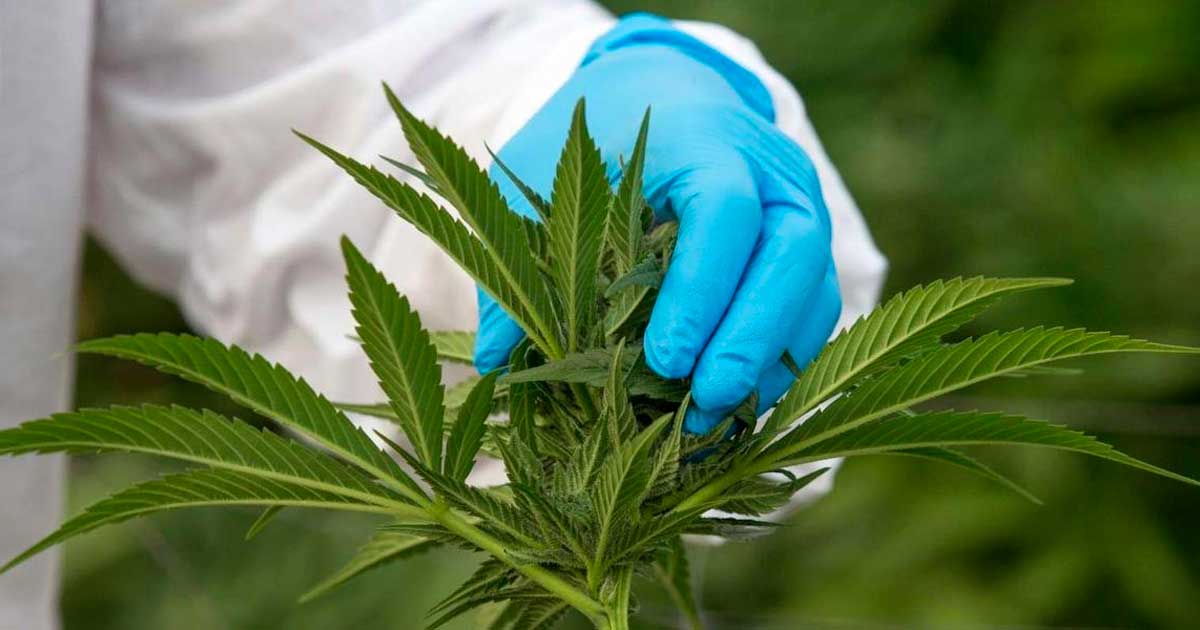
Medical cannabis is once again a topic of discussion in the budget debates. On October 16, 2026, members of the Ecologist and Socialist group introduced two amendments to the Social Security Financing Bill (PLFSS) for 2027, in an effort to break the regulatory deadlock that is delaying its widespread adoption in France.
Spearheaded in particular by Sandrine Rousseau, Clémentine Autain, François Ruffin, and Danielle Simonnet, these amendments have two complementary objectives: to extend the pilot program and to secure a roadmap from the government for the permanent integration of medical cannabis into the healthcare system.
A proposed two-year extension
The first amendment, numbered 2004, proposes to authorize the medical use of cannabis in the form of products that meet pharmaceutical standards for an additional two years.
The measure would apply to five therapeutic indications identified during the trial led by the French National Agency for Medicines and Health Products Safety (ANSM): refractory neuropathic pain, certain severe drug-resistant forms of epilepsy, intractable symptoms in oncology, palliative care, and painful spasticity associated with central nervous system disorders.
The procedures for prescribing, dispensing, supplying, and covering the costs would be specified by regulation.
Members of Congress point out that the Evaluations of the pilot program have shown benefits for a large proportion of the patients affected. They criticize the accumulated delays in publishing the regulations necessary for the widespread implementation of the program.
«Every new postponement prolongs the pain and symptoms of patients who are often at a therapeutic impasse,» they emphasize in the explanatory memorandum.
Current patients are already benefiting from an extension
Contrary to what the lawmakers’ request might suggest, patients currently undergoing treatment are not, however, facing an immediate interruption in their care. The transition period allowing patients already enrolled in the trial to continue receiving their treatments has been extended to three months after the publication of the opinion by the Haute Autorité de Santé (HAS).
Medications will continue to be covered by health insurance during this period. However, this provision applies only to patients already enrolled in the pilot program. As of March 27, 2024, no new patients can be enrolled, leaving other potentially eligible patients without access to this program.
The issue, therefore, goes beyond simply ensuring the continuity of existing treatments: it is also about expanding access to medical cannabis for new patients and putting an end to a provisional system.
A Roadmap Demanded from the Government
The second amendment, numbered 2005, calls on the government to submit a report to Parliament within six months of the law’s enactment, detailing the conditions for the widespread use of medical cannabis.
This document should specify the timeline for the publication of regulatory texts, the conditions for prescribing and reimbursement, as well as the safeguards provided to patients currently undergoing treatment. It should also address the development of a French production and distribution network in order to reduce dependence on imports.
This amendment was drafted in collaboration with IMPATIENTS, an association of medical cannabis users.
Finally Moving Beyond the Temporary
These two initiatives come at a time when Fourteen organizations recently called on the Prime Minister to demand that a case be resolved—one that seems to be getting lost in the back-and-forth between the Ministry of Health, the Prime Minister’s Office, MILDECA, and the Ministry of the Interior.
For Green Party lawmakers, the extension of the program must not serve as a pretext for yet another delay in its full implementation. It remains to be seen whether these amendments will be adopted and, above all, whether the government will finally decide to publish the regulations that have been awaited for months.
While treatment continuity is currently guaranteed for patients already enrolled in the trial, no new patients can be admitted to the program. Meanwhile, the widespread adoption of medical cannabis is still a long way off, and companies in the industry remain in limbo due to the lack of a regulatory framework that would allow them to expand their operations. This situation leaves patients, healthcare professionals, and industry players at the mercy of political decisions that keep getting postponed.
























A Canadian study reveals the pleasant psychotropic effects of high-dose CBD

Medical cannabis: The Greens introduce two amendments to accelerate its widespread adoption

More THC, barely any additional effects: A new study challenges common assumptions about the potency of cannabis

Dr. Pascal Douek, a tireless advocate for medical cannabis in France, has died

Kentucky now has 26 medical cannabis dispensaries

«Vincy Gold»: Humboldt Seed Company on the Hunt for Saint Vincent Sativas

Cronos Completes the Acquisition of CanAdelaar for 57.5 million euros

Cannabis with a "bloody" twist: Discover Sensi True Blood and Sensi Sangria, the two new strains from Sensi Seeds

Hemp: The Council of the EU Takes a Stand on New Production and Marketing Rules

Missouri's legal cannabis market accounts for 93 % of consumer spending
-
 Business3 weeks ago
The legal cannabis market in New York exceeds 4 billion $ in revenue
-
Cannabis in France2 weeks ago
France already has 3,000 cannabis retail outlets. None of them are legal.
-
Cannabis in the U.S.2 weeks ago
A DEA report confirms that there are no fatal cannabis overdoses
-
Cannabis in France4 weeks ago
France’s Drug Policy Chief Defends Cannabis Prohibition... and Runs Into the Facts
-
Studies on cannabis2 weeks ago
Cannabis Oil and Endometriosis: A Promising Study for Pain Relief
-
Business2 weeks ago
Tilray is accelerating its operations in Europe thanks to a license in Portugal
-
CBD3 weeks ago
In Brazil, researchers are developing an innovative CBD eye drop
-
Cannabis in France2 weeks ago
CBD in France: Traceability, Retail Stores, THC and Driving… What the New Bill Proposes











You must be logged in to post a comment Login