New study shows cannabis users more likely to have overactive bladder


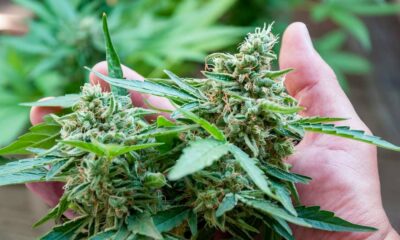
There's still a lot to be discovered about cannabis and the effects it can have on our bodies. A new study published in the’American Journal of Medicine answers a question no one has asked, by taking a closer look at the impact of cannabis use on bladders. In the end, researchers found that cannabis users are more likely to suffer from urinary hyperactivity than non-users.
The authors note that previous studies have demonstrated the ability of cannabis to relieve lower urinary tract symptoms, which can potentially cause significant health problems. For the study, researchers examined the association between regular cannabis use and overactive bladders as part of lower urinary tract symptoms.
Study details
The study defines OAB, as part of lower urinary tract symptoms, as a «storage phase syndrome characterized by urgency with frequency and nocturia (the urge to wake up and go to the bathroom during the night), with or without urge incontinence».
The researchers used data from the National Health and Nutrition Survey 2005-2018 for their analysis. In addition, they used the Overactive Bladder Symptom Score Scale to define the presence of an overactive bladder for each participant.
With over 18,000 samples to work with, 24 % of respondents identified themselves as regular cannabis users. According to the study, Compared to other study participants, these individuals were more likely to be male, single, smokers, thinner and younger. These individuals also reported more frequent urinary incontinence and nocturia.
While the study shows that regular cannabis users run a higher risk of overactive bladder disorder and nocturia, the researchers admit that they still don't understand why cannabis would have such a specific effect on the bladder.
«Our data do not support the evidence for the use of cannabinoids in the medical treatment of OAB patients, especially given the thorny health issues caused by cannabis,» the study concludes.
Other studies
A 2015 study revealed that cannabigerol, or CBG, may actually help relieve the symptoms of overactive bladder. Using bladders from mice and humans, the researchers found that CBG reduced contractions, helping to improve the symptoms of those suffering from urinary incontinence. The researchers also tested THCV, the CBD and CBDV and found that all these non-psychotropic cannabinoids improve bladder contractility, although CBG appears to be the most effective.
And the THC ? A 2003 study revealed that self-administered doses of whole plant cannabinoid extracts (of delta-9 THC, CBD or 1:1 CBD:THC) also improved incontinence compared to placebo patients, particularly in patients with multiple sclerosis and spinal cord injury. A follow-up study, study of 15 patients with advanced multiple sclerosis revealed that the treatment of’cannabis extracts significantly reduced urinary urgency, frequency and nocturia.
They finally concluded that «cannabis-based medical extracts are a safe and effective treatment for urinary and other problems», at least when it comes to multiple sclerosis patients advanced.






















«Vincy Gold»: Humboldt Seed Company on the Hunt for Saint Vincent Sativas

Cronos Completes the Acquisition of CanAdelaar for 57.5 million euros

Cannabis with a "bloody" twist: Discover Sensi True Blood and Sensi Sangria, the two new strains from Sensi Seeds

Hemp: The Council of the EU Takes a Stand on New Production and Marketing Rules

Missouri's legal cannabis market accounts for 93 % of consumer spending

THC Gummies: How to Read a Certificate of Analysis Before Buying

British patients now have access to THCV-rich cannabis flowers

Spain: Medical Cannabis Is Coming to About 50 Hospitals

JIHE 2026: Japan’s Largest Trade Show Dedicated to Hemp and CBD Returns to Tokyo with More Than 100 Industry Players

New Caledonia: The Courts Clear the Way for the Return of CBD
-
 Business3 weeks ago
The legal cannabis market in New York exceeds 4 billion $ in revenue
-
Cannabis in France1 week ago
France already has 3,000 cannabis retail outlets. None of them are legal.
-
Cannabis in the U.S.1 week ago
A DEA report confirms that there are no fatal cannabis overdoses
-

 Cannabis and driving4 weeks ago
Medical Cannabis and Driving: New South Wales Ends Automatic Penalties for THC
-
Cannabis in France3 weeks ago
France’s Drug Policy Chief Defends Cannabis Prohibition... and Runs Into the Facts
-
Studies on cannabis2 weeks ago
Cannabis Oil and Endometriosis: A Promising Study for Pain Relief
-
CBD3 weeks ago
In Brazil, researchers are developing an innovative CBD eye drop
-
Autism4 weeks ago
Autism and Cannabis: Results from the First Placebo-Controlled Trial of NTI164















You must be logged in to post a comment Login