Could cannabis be a solution to antibiotic resistance?

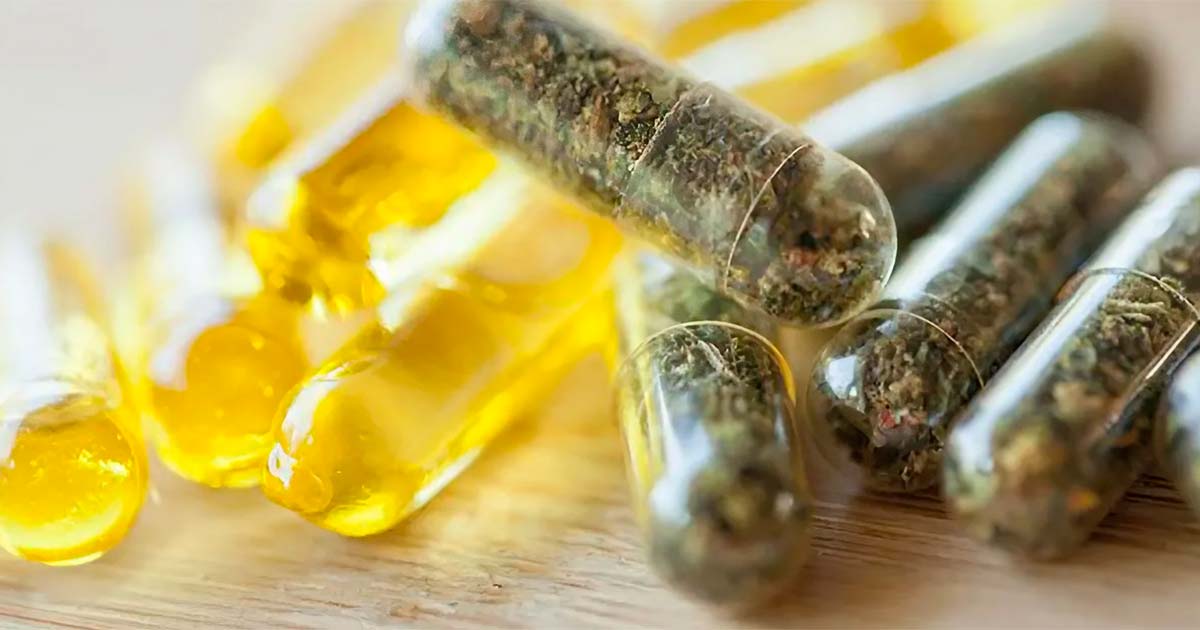
In a recent study published in Pharmaceuticals, a team of Malaysian chemists has gathered evidence that cannabinoids are effective in fighting infections where other drugs fail.
«C. sativa is a plant with untapped potential,» write the authors. «This versatile plant can be used for a variety of purposes. Despite its complex metabolic profile and use as a recreational substance, its therapeutic benefits should not be ignored or overshadowed.»
«According to all the data in this study, the cannabinoids and other cannabis constituents have shown impressive in vitro antibacterial properties that should be further explored in the search for new substances that could potentially function as antimicrobial agents against clinically significant bacteria.» they conclude.
The use of cannabinoids in combination with other drugs then seems to be one of the most favored avenues, «the results of previous studies suggest that cannabinoids can potentially improve the efficacy of existing antibiotics.»
Cannabinoids and antibiotic properties
In 2020, a Danish study already noted that the CBD helps fight antibiotic-resistant bacteria. The researchers discovered that by using CBD in addition to traditional treatments, the staphylococci no longer divided as they normally would. Fewer antibiotics were needed for treatment.
A study published in 2021 in the journal Communications Biology tested CBD's effect on bacteria and found it to be effective against more than 20 types of bacteria, many with drug-resistant properties.
«Importantly, we are also demonstrating that the CBD does not lead to resistance after repeated exposure», wrote the authors, indicating that this drug may remain useful over time, whereas the efficacy of some antibiotics can fade in as little as two years or less.
A conclusion also reached by Australian researchers in 2019.
«Given cannabidiol's documented anti-inflammatory effects, existing human safety data and the potential for varied routes of administration, this is a promising new antibiotic that deserves further study,» said Dr. Blaskovich.
«The combination of inherent antimicrobial activity and the potential to reduce damage caused by the inflammatory response to infection is particularly attractive.»
CBD is not the only cannabinoid with a potential effect on superbugs. The CBG, although its pharmacology is more complex, has also been called upon to combat antibiotic-resistant superbugs.
According to Canadian researchers, CBG is effective against Staphylococcus aureus methicillin-resistant (MRSA), on a par with vancomycin, an antibiotic that doctors often use as a last option to kill bacteria that have resisted all other drugs.
In the same study, CBG also proved effective against Gram-negative bacteria when combined with polymyxin B, whereas its action was null when tested alone.
The authors of the study, published in Pharmaceuticals, note that the biggest current obstacle is the difficulty of conducting research on cannabinoids.
«Because of the difficulty of complying with the legal requirements of these laws, researchers and funding agencies may be less inclined to examine innovative products,» lament the journal's authors Pharmaceuticals
























The Brazilian medical cannabis market continues to grow

Morocco: Three Cannabis-Based Medications Approved for the Treatment of Epilepsy

Canopy Growth Receives New EU-GMP Certification to Strengthen Its Presence in Europe

Three years after legalizing medical cannabis, Albania continues to establish regulations for it

The first plant-based medical THC spray arrives in the United Kingdom

Medical Cannabis in Germany: THC Prices Vary by a Factor of 12

France already has 3,000 cannabis retail outlets. None of them are legal.

Morocco's exports of legal cannabis have expanded to 15 countries

Aurora Cannabis Doubles Its Production Capacity in Germany

Tilray is accelerating its operations in Europe thanks to a license in Portugal
-
 Business2 weeks ago
The legal cannabis market in New York exceeds 4 billion $ in revenue
-

 Cannabis in France4 weeks ago
Which countries legalized medical cannabis before France?
-
Business4 weeks ago
South Korea is preparing to begin local production of medical cannabis to meet rising demand
-
Cannabis in France4 days ago
France already has 3,000 cannabis retail outlets. None of them are legal.
-
Cannabis in Thailand4 weeks ago
From the boom in dispensaries to a purely medical approach: Thailand is revising its cannabis policy
-
Cannabis in the U.S.5 days ago
A DEA report confirms that there are no fatal cannabis overdoses
-
Cannabis and driving3 weeks ago
Medical Cannabis and Driving: New South Wales Ends Automatic Penalties for THC
-
Cannabis in France3 weeks ago
France’s Drug Policy Chief Defends Cannabis Prohibition... and Runs Into the Facts
















You must be logged in to post a comment Login