
Study questions whether CBD really mitigates the effects of THC

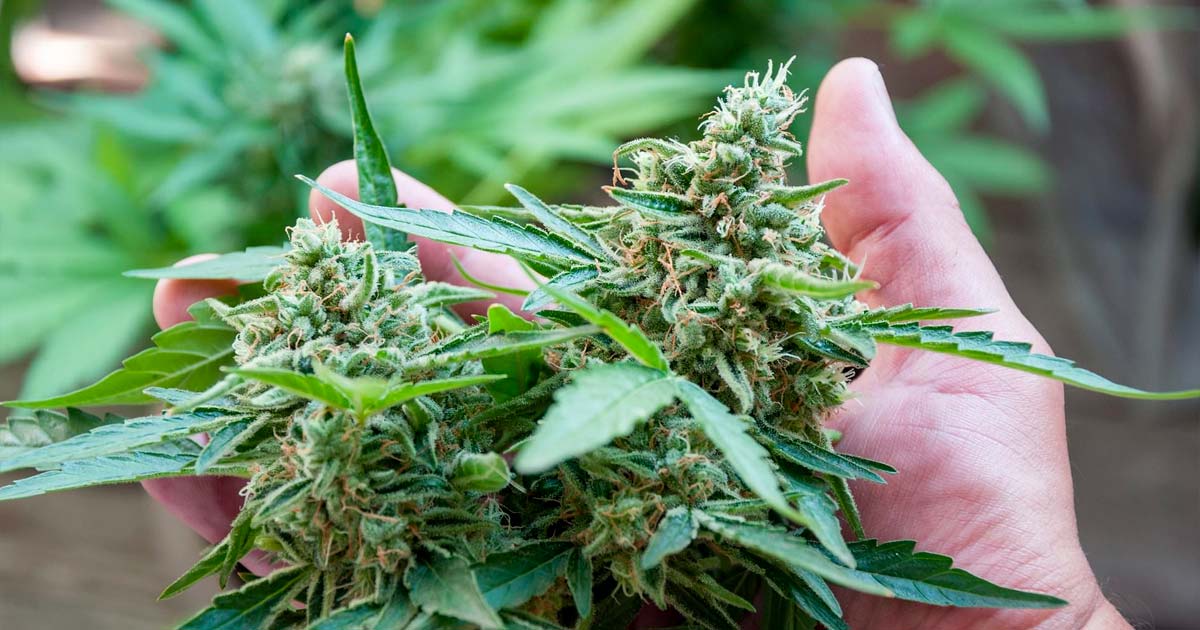
A study published in Neuropsychology attempted to determine whether the CBD reduced the side effects of the THC, such as paranoia and memory loss, but found little evidence to support this theory. The study participants were observed, and both the beneficial effects and the adverse effects—such as paranoia and memory loss—were recorded.
The study, titled « Does Cannabidiol Make Cannabis Safer? A Randomized, Double-Blind, Crossover Trial of Cannabis with Four Different CBD:THC Ratios »aimed to determine whether increasing the amount of CBD could reduce the «harmful effects» of cannabis, particularly those related to THC.
Cannabis-based products are generally marketed with CBD:THC ratios, with CBD often touted as enhancing the effects of THC and vice versa, which has led researchers to explore the relationship between the plant’s two most popular compounds. They found that CBD does not necessarily reduce unwanted side effects.
The study
Forty-six people aged 21 to 50 who were light cannabis users were observed and underwent an initial baseline visit, followed by four single-dose visits, during which participants smoked cannabis containing 10 mg of THC and either 0 mg (0:1 CBD:THC), 10 mg (1:1), 20 mg (2:1), or 30 mg (3:1) of CBD, in a randomized and counterbalanced order.
The participants smoked cannabis using a Volcano® Medic vaporizer manufactured by the the German company Storz-Bickel. Study participants were asked to take smaller puffs and try not to cough, so as not to waste the dose by spitting it out.
The participants performed numerous tasks, including a 15-minute walk through the hospital—which had been shown to increase paranoia—and other activities such as memory exercises and questions about psychotic effects.
The results
The results showed little evidence of a reduction in paranoia or other adverse effects.
«At doses typically found in recreational and medical cannabis, we found no evidence that CBD reduced the acute negative effects of THC on cognition and mental health,» the researchers wrote. «Similarly, there was no evidence that it altered the subjective or pleasurable effects of THC. These findings suggest that the CBD content of cannabis may not be a key consideration in decisions regarding its regulation or the definition of a standard unit of THC.»
They also suggest that people who report better effects from CBD:THC products say so because they consume less THC, rather than because of any buffering effects of CBD.
«The data are also relevant to the safety of approved medications containing THC and CBD, as they suggest that the presence of CBD may not reduce the risk of adverse effects from the THC they contain. Cannabis users may reduce harm when using a higher CBD:THC ratio, due to reduced exposure to THC rather than the presence of CBD. Further studies are needed to determine whether cannabis with even higher CBD:THC ratios can protect against its adverse effects.»
Is nature the best?
There is the perennial argument that the’cannabis entourage effect and many other plants is better than consuming a single compound. Consuming THC alone in a vape pen will not produce the same effects as smoking high-quality flower, rich in terpenes, cannabinoids, and flavonoids.
A similar argument, for example, is that coffee is better than caffeine alone in energy drinks, given the balance of bioactive compounds in coffee, including antioxidants, diterpenes, chlorogenic acids, and trigonelline.
The data are probably not conclusive, given the range of effects of CBD. Other studies seem to suggest that CBD may reduce anxiety and even enhance cognitive performance in activities such as gaming.
In a study In 2015, it was found that specific regions of the brain associated with anxiety-related behaviors were reduced when participants took CBD. More specifically, it was observed that CBD was able to reduce «amygdala activation and alter the connectivity of the medial prefrontal cortex with the amygdala.»
But simply adding another compound to the mix does not necessarily make a big difference, judging by these latest results. CBD does not necessarily reduce paranoia, memory loss, or other side effects caused by cannabis.
Last July, a study by the Journal of Psychopharmacology believed that CBD mitigates the negative effects of THC on the brain, based on neuroimaging research.
THC and CBD appeared to have opposite effects in this study. Cannabis with a high THC content but no CBD had disruptive effects on the functional connectivity of the striatum, but oral CBD without THC was found to increase striatal connectivity. The cannabis strain containing both THC and CBD reduced striatal connectivity, but to a lesser extent than the cannabis strain containing only THC.
The results indicate that «different types of cannabis have different effects on the brain. Cannabis with a high THC content that is relatively pure can severely affect certain brain networks, but when THC is combined with cannabidiol (CBD) in a more «balanced» way, these effects may be somewhat reduced, making a balanced cannabis strain potentially safer to use. CBD on its own appears to have fairly minimal effects on the brain networks we examined, which means it is likely safe to use as a potential therapy.»





















Medical Cannabis and Driving: New South Wales Ends Automatic Penalties for THC

China's Yongji Health Takes Control of Tasmanian Botanics

Autism and Cannabis: Results from the First Placebo-Controlled Trial of NTI164

Which countries legalized medical cannabis before France?

From the boom in dispensaries to a purely medical approach: Thailand is revising its cannabis policy

South Korea is preparing to begin local production of medical cannabis to meet rising demand

In the United States, cannabis use among high school students has reached an all-time low

Medical cannabis use surges by 64 % in Denmark

Canopy Growth Enters the U.K. Market with Four Canadian Strains

CBD: Full-Spectrum Extracts Under Threat in Greece
-
 Cannabis and driving2 weeks ago
Cannabis and CBD: French Drivers Can Now Lose Their License Even Without a Positive Test Result
-

 Cannabis in France1 day ago
Which countries legalized medical cannabis before France?
-
Cannabis in France3 weeks ago
Cannabis Legalization: The LFI Bill Has a Major Problem—THC
-
Cannabis in the Netherlands2 weeks ago
One year after the launch of the Dutch cannabis experiment, the first trends are emerging
-
Cannabis in France2 weeks ago
French medical cannabis remains stalled at the Ministry of Health
-
Cannabis in Argentina1 week ago
Argentina Opens Its Market to Hemp Flowers Containing 1% of THC
-
Business2 weeks ago
The United Kingdom Is Moving Closer to a Regulated CBD Market
-
Cannabis in France1 week ago
Rima Hassan: When «Drugs» Become a Political Weapon















You must be logged in to post a comment Login