
Study: Cannabis «modestly» effective against multiple sclerosis

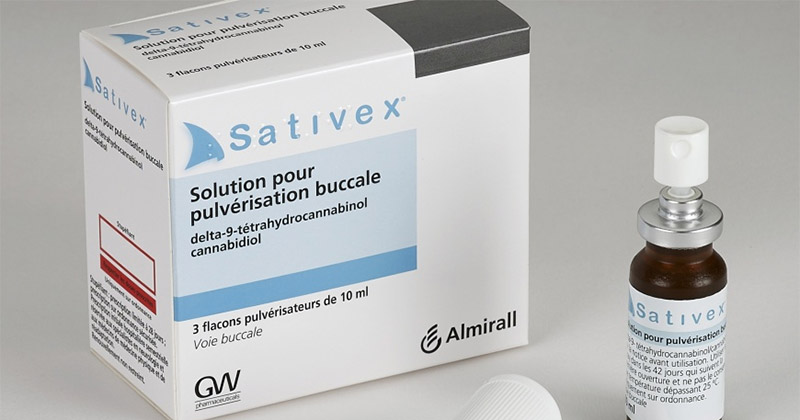
American researchers have analyzed 28 recent studies, to assess the current state of scientific knowledge regarding the effectiveness of cannabis in treating multiple sclerosis. This method—a meta-analysis—reaches a surprising conclusion. Compared to treatments with an equivalent dose of THC/CBD, «The short-term neurological effects in patients are either mild, limited, or moderate, and the benefits are detected more through subjective reports than objective measurements.". »
This finding reinforces an existing criticism: the drug Sativex—which uses an equal THC-to-CBD ratio—is not effective enough. It is approved in the European Union, the United Kingdom, and Canada, but not in the United States. In France, it is legal but is not not prescribed to patients in part because of its low yield.
According to the meta-analysis, this type of treatment works «in a therapeutic window limited to modestly improving, subjectively, spasticity, pain, bladder problems, and sleep issues in the patients observed. In addition, scientists have observed benefits only «in the first few weeks after starting treatment.».
A 3-point decrease in pain on a scale of 10
To reach this scathing conclusion, the researchers dug into their archives. They pulled out 28 studies published between 2007 and 2021. The American scientists claim to have «no conflict of interest», nor did they receive any external funding for this work. Therefore, their results are «reviewed and approved» by other scientists, as is customary.
In addition to whether or not cannabis is effective, the researchers analyzed the methodology of other scientific studies. They identified two significant biases. The first: half of the studies involved mice rather than humans. «The validity of the animal studies »is less certain, due to differences in the endocannabinoid system" between humans and mice, they point out.
Another drawback: many patients who do not experience a positive effect from cannabis drop out of the study before it ends. Logically, this skews the results. If only patients who experience a positive effect remain, then the study will conclude that cannabis is effective.
In human trials, nine studies have shown positive results. Patients reported a 2.8-point reduction (on a scale of 0 to 10) in spasticity, the main consequence of multiple sclerosis. In addition, five other studies report a 3.4-point reduction (out of 10) in pain levels thanks to cannabis.
In conclusion, the meta-analysis calls on scientists to raise the bar. Their studies must be «high-quality, long-term, randomized, double-blind studies with a control group receiving a placebo.». Without cutting-edge research, the «Confidence in the effectiveness of cannabis for multiple sclerosis» could erode.




















CBD: Full-Spectrum Extracts Under Threat in Greece

Medical Cannabis and Back Pain: Opioid Use Has Dropped by 90 % in 10 Years

Cannabis: Wisconsin Could Finally Legalize It in 2027

Argentina Opens Its Market to Hemp Flowers Containing 1% of THC

The French Socialist Party still doesn't know how to approach the legalization of cannabis

Science in the City International: Paris at the Heart of Transatlantic Scientific and Medical Dialogue

Christine Fréchette is alienating Quebec’s cannabis industry

Rima Hassan: When «Drugs» Become a Political Weapon

From Marathons to Ultratrails: How Extreme Running Affects the Endocannabinoid System

Four days of THC may make breast cancer less aggressive, according to a new study
-
 Cannabis and driving2 weeks ago
Cannabis and CBD: French Drivers Can Now Lose Their License Even Without a Positive Test Result
-
Cannabis in France2 weeks ago
Cannabis Legalization: The LFI Bill Has a Major Problem—THC
-

 Cannabis in the Netherlands7 days ago
One year after the launch of the Dutch cannabis experiment, the first trends are emerging
-
Cannabis in France1 week ago
French medical cannabis remains stalled at the Ministry of Health
-
Business1 week ago
The United Kingdom Is Moving Closer to a Regulated CBD Market
-
Cannabis in Argentina4 days ago
Argentina Opens Its Market to Hemp Flowers Containing 1% of THC
-
Cannabis in Europe3 weeks ago
Andorra Paves the Way for Medical Cannabis Cultivation
-
Cannabis in France5 days ago
Rima Hassan: When «Drugs» Become a Political Weapon













You must be logged in to post a comment Login