Medical cannabis: 92% of the French in favor but 0 access

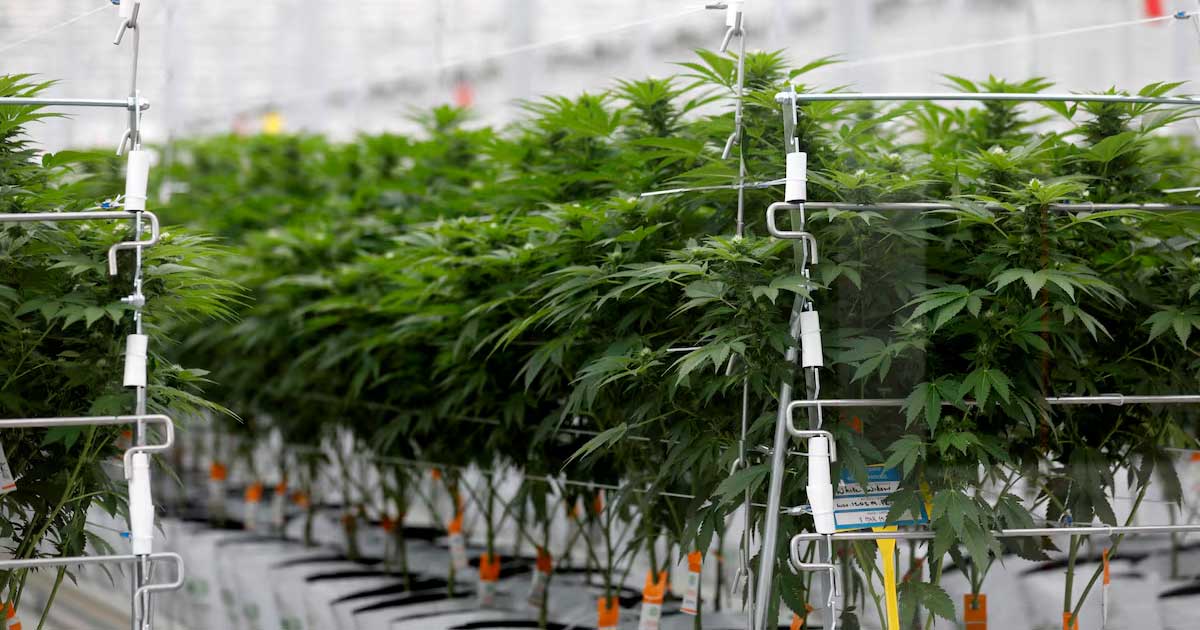
According to a survey conducted by the Norstat April 13 and 14, 2026 for the patient association Soothing S&C, 92 % of French people say they are in favor of allowing therapeutic cannabis, provided it is prescribed and supervised by healthcare professionals.
The study, carried out among 1,004 people representative of the population, confirms a major trend: the subject is no longer merely ideological, but is clearly perceived as a public health issue.
In 2018, an IFOP survey conducted for the Terra Nova think tank and the participatory lobby Echo Citoyen already showed that 82% of French people said they were in favour to the legalization of medical cannabis. This momentum fuelled political reflection and contributed to the emergence of the experimental framework launched a few years later, which has since been extended on several occasions.
Public opinion is now widely convinced
The survey figures show a rare level of consensus. 90% of those questioned said they were aware of the existence of medical cannabis, and that they distinguished it from recreational use. For 89% of respondents, medical cannabis can represent a useful, even necessary, alternative for certain patients facing severe pain or pathologies resistant to conventional treatments.
The study also reveals growing frustration with the authorities. 82% believe that current access conditions remain insufficient. And 79% think that the debate is held back by persistent preconceived ideas. Even more striking: 73% of French people consider that the public authorities do not sufficiently measure the suffering experienced by the patients concerned.
This trend is part of a long-term dynamic. According to several surveys cited by the associations, support has been growing steadily for almost ten years, and now goes well beyond the usual political divides.
French experiment stalled despite encouraging results
In France, the medical marijuana, launched in March 2021 under the supervision of’ANSM, The project involved some 3,000 patients suffering from neuropathic pain, refractory epilepsy, cancer-related complications and palliative care.
However, since March 2024, no new patients have been accepted. Only those already integrated continue to receive treatment. According to the Apaiser association, only only around 750 today. A paradoxical situation: the experiment is not officially over, but is in fact frozen.
Feedback from the field however, describe a generally good tolerance, with limited side effects, often mild drowsiness. Many patients report real benefits in terms of quality of life, in situations where conventional treatments have failed.
«We're talking about a drug»: associations denounce political inertia
On RMC, the president of Apaiser, Mado Gilanton, The president of the board of directors of the French pharmaceutical company, Jean-François Bélanger, tried to remind us of the nature of the debate: “We're talking about a drug here. The difference with cannabis is a prescription.”
She also insists on the strict framework already in place during the experiment: “It's a prescription by a doctor, dispensed by a pharmacist, and it's in oil. [editor's note: this also includes spray flowers, although these are no longer available].. These products are controlled by the ANSM, the French National Agency for the Safety of Medicines and Health Products, and comply with pharmaceutical standards”.
And on the concerns often voiced by some politicians: “The experiment showed that we had no cases of misuse, no cases of detour, if that's what politicians are afraid of”.
France out of step with its European neighbors
While Paris hesitates, other countries have already made up their minds. Germany, Netherlands, Italy, Portugal, Switzerland, United Kingdom, Ukraine, Austria or even Poland have permanent systems, sometimes with partial reimbursement. Everywhere, medical cannabis is part of a regulated care pathway.
In France, the main lock remains the publication of a decree defining prescription, production and distribution conditions. Without this text, the HAS cannot initiate official evaluation paving the way for authorization and reimbursement.
Associations are now hoping for a decision before the summer of 2026, to avoid the issue being paralyzed once again by the 2027 presidential campaign. In the meantime, the contrast between the massive support of the French people and administrative inertia continues to grow.



















«Vincy Gold»: Humboldt Seed Company on the Hunt for Saint Vincent Sativas

Cronos Completes the Acquisition of CanAdelaar for 57.5 million euros

Cannabis with a "bloody" twist: Discover Sensi True Blood and Sensi Sangria, the two new strains from Sensi Seeds

Hemp: The Council of the EU Takes a Stand on New Production and Marketing Rules

Missouri's legal cannabis market accounts for 93 % of consumer spending

THC Gummies: How to Read a Certificate of Analysis Before Buying

British patients now have access to THCV-rich cannabis flowers

Spain: Medical Cannabis Is Coming to About 50 Hospitals

JIHE 2026: Japan’s Largest Trade Show Dedicated to Hemp and CBD Returns to Tokyo with More Than 100 Industry Players

New Caledonia: The Courts Clear the Way for the Return of CBD
-
 Business3 weeks ago
The legal cannabis market in New York exceeds 4 billion $ in revenue
-

 Cannabis in France4 weeks ago
Which countries legalized medical cannabis before France?
-
Cannabis in France1 week ago
France already has 3,000 cannabis retail outlets. None of them are legal.
-
Business4 weeks ago
South Korea is preparing to begin local production of medical cannabis to meet rising demand
-
Cannabis in the U.S.1 week ago
A DEA report confirms that there are no fatal cannabis overdoses
-
Cannabis in Thailand4 weeks ago
From the boom in dispensaries to a purely medical approach: Thailand is revising its cannabis policy
-
Cannabis and driving4 weeks ago
Medical Cannabis and Driving: New South Wales Ends Automatic Penalties for THC
-
Cannabis in France3 weeks ago
France’s Drug Policy Chief Defends Cannabis Prohibition... and Runs Into the Facts
















You must be logged in to post a comment Login