Medical Cannabis in France: Legislation, Pilot Programs, and Access to Treatment
Is medical cannabis legal in France? Can people get a prescription for cannabis-based treatment today? After several years of pilot programs, extensions, and regulatory delays, France is moving closer to establishing a permanent framework for cannabis-based medications. However, access to them remains limited.
Launched in March 2021, the French medical cannabis pilot program has enabled several thousand patients suffering from serious medical conditions to receive treatments containing THC and CBD. The program has demonstrated that a system for prescribing and dispensing medical cannabis can function effectively within the French healthcare system.
And yet.., As of October 2026, medical cannabis has still not been made widely available.. Although its legislative framework was adopted as early as December 2023, several regulations essential to its implementation have yet to be published.
Between the results of the pilot program, patients’ expectations, decisions by health authorities, and the prospects for developing a French industry, here is the current state of medical cannabis in France.
An Update on the Situation
Last updated:
General Status: Generalization Pending
Medical cannabis has been regulated by law since December 2023, but access to it is still not widespread. Patients already enrolled in the pilot program are covered by a transitional arrangement.
-
Legislative Framework Adopted Done
The Social Security Financing Act for 2024 established a specific regulatory status for cannabis-based medications.
-
Experiment completed Done
Launched in March 2021, it officially ended on December 31, 2024, after enrolling more than 3,000 patients.
-
Implementing decrees are still pending Pending
The implementation of the permanent system depends on the finalization and publication of the regulations.
-
Access is restricted to patients already enrolled Restricted Access
New patient enrollments have been closed since March 2024. Patients who were previously enrolled may continue their care under the transitional program.
-
No firm date for widespread implementation Pending
The timeline still depends on the authorization, evaluation, and reimbursement procedures.
Medical Cannabis in France: What Is the Current Situation in 2026?
France has adopted the principle of permanent access to medical cannabis, but the program is not yet open to new patients.
The Social Security Financing Act for 2024, enacted on December 26, 2023, established a specific regulatory status for cannabis-based medications. This provision is intended to allow for their authorization and distribution within a controlled pharmaceutical framework, distinct from that of drugs with a traditional marketing authorization (MA).
Since then, the French authorities have gradually drafted the regulations necessary for its implementation.
On March 19, 2025, three draft regulatory texts were notified to the European Commission. They concern the procedures for authorizing cannabis-based medicines, their characteristics and therapeutic indications, as well as the conditions for their cultivation, manufacture, and distribution.
The European procedure was completed in June 2025. The main decree regarding the authorization framework was then reviewed by the Council of State, which issued a favorable opinion, according to a government response dated January 2026. However, another decree—addressing the evaluation of drugs by the High Authority for Health (HAS) and their potential reimbursement by the National Health Insurance program—is still required.
Delays in finalizing this framework have led, in particular, to the postponement of the HAS hearings originally scheduled for October 2026. The prospect of expanded access in early 2027 is therefore not a guaranteed date.
Key Takeaways
- Medical cannabis has had a specific legal framework in place since December 2023.
- The national pilot program, launched in 2021, officially ended on December 31, 2024.
- No new patients have been enrolled in the pilot program since March 2024.
- Patients who have already been enrolled may continue their treatment under a transitional arrangement.
- Widespread adoption still depends on the publication of regulatory texts and the continuation of the authorization and evaluation processes.
France thus finds itself in a paradoxical situation: it has recognized the possibility of using cannabis for medical purposes and established a regulatory framework for its future use, without yet making this treatment available to all patients who could benefit from it.
What is medical cannabis?
The medical marijuana, also known as medical marijuana, refers to the use of cannabis or cannabis-derived substances as part of medical treatment. It may be prescribed to relieve certain symptoms, particularly when conventional treatments prove ineffective, insufficiently effective, or poorly tolerated.
Unlike cannabis used for recreational purposes, medical cannabis is part of a supervised treatment plan. Its composition, pharmaceutical quality, dosage, and method of administration must meet specific requirements.
THC and CBD: The Main Cannabinoids Used in Medicine
Cannabis contains many active substances called cannabinoids. The two best-known ones are the tetrahydrocannabinol (THC) and the cannabidiol (CBD).
The THC It is primarily known for its psychotropic effects. It also has pharmacological properties that have been studied, particularly in the treatment of certain types of pain, spasticity, and nausea.
The CBD does not produce the same intoxicating effects as THC. It is used, in particular, in certain medications designed to treat specific forms of epilepsy, but also more broadly to target inflammation, which is the root cause of many diseases.
In cannabis-based medications, these substances may be present in varying proportions. The proposed French framework distinguishes, in particular, between THC-dominant products, those with a balanced THC/CBD ratio, and CBD-dominant products.
The choice of a formulation depends on the therapeutic indication, the patient’s characteristics, and the medical assessment of the balance between the expected benefits and risks.
What is the difference between medical cannabis, CBD, and recreational cannabis?
The difference lies not only in the plant itself or the presence of THC, but also in how it is used. Medical use also requires an extremely controlled production environment to ensure that patients are not exposed to pathogens that could harm them (such as mold or heavy metals).
Medical cannabis is a product intended for therapeutic use, with a controlled composition and regulated prescription process. Recreational cannabis is consumed for its non-medical effects, although recreational use may also have medical benefits (relaxation, pain relief, etc.).
As for over-the-counter CBD products, they are not medications. The fact that they are sold does not mean they have been shown to be therapeutically effective or that they can replace a prescribed treatment.
To gain a broader understanding of the uses, effects, and different forms of medical cannabis, visit our General Guide to Medical Cannabis.
Is medical cannabis legal in France?
Yes, the medical use of cannabis is recognized under several legal frameworks in France. But that does not mean that every patient can currently obtain a prescription for medical cannabis.
This distinction is essential to understanding the situation in France.
Gradual Legal Recognition
The first turning point came in 2013, when a decree amended the Public Health Code to allow, under certain conditions, the use of medications containing cannabis or its derivatives.
This development paves the way for, in particular, the Sativex, a medication containing THC and CBD, was approved in France in 2014 for certain forms of spasticity associated with multiple sclerosis. Despite this approval, disagreements over its price have prevented it from actually being sold on the French market.
L’Epidyolex, a cannabidiol-based medication intended for certain severe forms of epilepsy, has been granted a European authorization since 2019 and coverage in France for specific indications.
However, these medications should be distinguished from the French medical cannabis program, which began in 2021.
The decisive legislative step will take place in December 2023, with Section 78 of the Social Security Funding Act for 2024. This article establishes a specific category of cannabis-based medications that may be granted special authorizations issued by the National Agency for Medicines and Health Products Safety (ANSM).
Why isn't medical cannabis widely available yet?
The passage of a law is not enough to make a treatment immediately available. To function, the new system requires specific rules regarding authorized drugs, manufacturing conditions, distribution channels, pharmacovigilance, prescriptions, and financial coverage. These rules must be established through various regulatory documents.
The first set concerns the authorizations issued by the ANSM. The second sets forth the procedures for the evaluation of drugs by the HAS and the conditions under which they may be reimbursed.
The government decided to establish administrative links between the publication of key documents, which contributed to delays in the operational launch of the new system.
Changes in government, budgetary trade-offs, and administrative consultation processes also affected the timeline.
Newsweed followed these various steps, particularly during the submission of draft texts to the European Commission and a series of announcements regarding the Medical Cannabis Rollout Schedule.
What are the next steps?
The widespread adoption of medical cannabis still requires several steps:
- The publication of the decrees and orders necessary for the operation of the new system.
- The actual initiation of drug approval procedures by the ANSM.
- The continuation of their evaluation by the HAS, particularly with a view to potential coverage.
- Establishing the terms of reimbursement and the price when reimbursement is granted.
- The organization of distribution and prescribing for eligible patients.
The publication of these regulations will therefore not necessarily mean that all medications will be available at pharmacies the very next day.
As of the date this article was updated, no firm date has been set for when the clinic will open to new patients.
What conditions can be treated with medical cannabis?
The French framework for medical cannabis focuses on five major categories of therapeutic indications, which were identified during the planning phase of the national pilot program. The goal is not to offer cannabis as a first-line treatment, but to consider its use for patients facing challenging clinical situations.
Refractory Neuropathic Pain
Neuropathic pain is caused by an injury or disease affecting the nervous system. It can manifest as a burning sensation, electric shocks, tingling, or persistent pain that is particularly debilitating.
Medical cannabis may be considered for certain refractory neuropathic pain conditions when available pharmacological or non-pharmacological treatments do not provide sufficient relief. This indication accounted for a significant proportion of the patients included in the French trial.
Certain drug-resistant forms of epilepsy
Some forms of epilepsy are resistant to standard antiepileptic treatments. Cannabinoids—and particularly CBD in certain pharmaceutical formulations—have been the subject of specific research in this area.
The drug Epidyolex is approved, in particular, for certain severe forms of epilepsy, including Dravet syndrome and Lennox-Gastaut syndrome, as well as seizures associated with tuberous sclerosis, under specific conditions.
The French medical cannabis program also covers certain cases of drug-resistant epilepsy, though it does not cover all forms of epilepsy.
Painful spasticity associated with multiple sclerosis
Spasticity is characterized by an abnormal increase in muscle tone, which can cause stiffness, spasms, and pain. It is particularly common in some patients with multiple sclerosis or other diseases of the central nervous system.
Medications containing cannabinoids have been studied to relieve these symptoms when standard treatments are ineffective.
Some symptoms associated with cancer and its treatments
Medical cannabis may be considered in certain cancer-related situations, particularly for persistent symptoms that are difficult to control despite available treatments. It is not a treatment for cancer itself.
This distinction is important: Medical cannabis has not been shown to cure cancer, even though there are numerous individual accounts supporting this view. Its potential use falls under supportive care, which is intended to improve the management of certain symptoms and quality of life.
Palliative Care Situations
Palliative care aims to relieve symptoms and preserve, as much as possible, the quality of life for people with serious, progressive, or advanced illnesses. In certain situations where symptoms remain unresponsive to conventional treatments, medical cannabis may be an additional treatment option, under medical supervision.
Could other diseases be involved?
The ANSM has also explored the possibility of expanding the indications to include other conditions. In particular, favorable scientific opinions were issued regarding certain symptoms associated with Crohn’s disease, ulcerative colitis, autism spectrum disorders, Tourette syndrome, and certain rare diseases.
However, these opinions do not constitute authorizations for prescribing under the future system. Any extension will require specific regulatory and scientific decisions.
How can I obtain medical cannabis in France?
In October 2026, access to medical cannabis under the French pilot program will remain limited to patients who were previously enrolled and are continuing their treatment under the transitional program. Therefore, it is not possible for a new patient to freely join this trial.
This does not rule out the existence of cannabinoid-based medications that are already approved and available in accordance with their indications and specific prescription requirements.
Who is currently eligible for treatment?
The national pilot program stopped enrolling new patients in March 2024. Participants already enrolled in the program were subsequently granted successive extensions to prevent an abrupt interruption in their care.
The transitional measure is intended to ensure that treatment can continue until the new framework is implemented, in accordance with applicable regulations. Patients who wish to know whether they are eligible for a cannabinoid-based medication should discuss this with their doctor, particularly with the specialist who is managing their condition.
Which doctors will be able to prescribe medical cannabis?
The future French framework calls for an initial prescription to be issued in a hospital or specialized setting. This principle mirrors the approach adopted during the pilot program, in which the first prescriptions were issued by physicians trained at referral centers.A transition to primary care is planned to ensure continuity of care, under the conditions set forth in the applicable regulations.
This approach is designed to provide a framework for initiating treatment, adjusting doses, and monitoring any adverse effects. One of the challenges identified during the pilot program was precisely the low participation rate among general practitioners, which limited the development of coordination between the hospital and community-based care.
Where will the medications be dispensed?
The proposed system is based on controlled pharmaceutical dispensing. During the trial, medications could be dispensed by hospital pharmacies and community pharmacies participating in the program, subject to the required conditions.
The future system must enable the establishment of a secure distribution channel that ensures product traceability, quality, and availability through pharmacies.
Will medical cannabis be covered by Social Security?
The issue of reimbursement is one of the main challenges to widespread adoption. The French legal framework provides for the possibility of cannabis-based medications being covered by the national health insurance system. However, Approval by the ANSM will not automatically guarantee reimbursement.
The HAS must evaluate their therapeutic value based on available scientific data, the results of French clinical trials, and the documentation submitted by the companies. Decisions regarding coverage and the terms of coverage must then be finalized by the competent authorities.
In July 2025, the HAS published a specific evaluation method for cannabis-based medications. This step represents an important milestone, but it does not preempt final reimbursement decisions. For patients, the cost of treatments and their coverage will be key factors in ensuring equitable access to medical cannabis.
The Medical Cannabis Pilot Program in France: 2021–2024
The French medical cannabis pilot program marked the first organized, large-scale provision of cannabis-based treatments within the national healthcare system. It is the result of several years of scientific, political, and regulatory discussions.
Why did France launch a pilot program?
In 2018, the ANSM established a temporary specialized scientific committee tasked with evaluating the appropriateness of the medical use of cannabis and the conditions under which it should be made available. The experts recommended a supervised pilot program.
The principle was then enshrined in the Social Security Financing Act for 2020, following an amendment introduced by Olivier Véran, a member of the National Assembly and a physician. The main objective was not to demonstrate the therapeutic efficacy of cannabis on its own, but to assess the feasibility of a national prescription network, patient admission and follow-up.
In particular, the aim was to determine whether healthcare professionals could prescribe and dispense these treatments under satisfactory safety conditions.
The launch of the pilot program in March 2021
Originally scheduled for an earlier date, the trial has been delayed, in part due to the COVID-19 pandemic. It officially began on March 26, 2021, with the first prescription issued at Clermont-Ferrand University Hospital by Dr. Nicolas Authier, in the presence of Health Minister Olivier Véran.
The program is designed to include patients with serious medical conditions for whom existing treatments have proven insufficient. The medications are provided in a controlled setting, with various THC and CBD formulations and various forms of administration. A national electronic registry, ReCann, is being established to track prescriptions, patient characteristics, treatments, and adverse effects.
Newsweed covered the launch of the French pilot program as well as the successive stages of its deployment.
Key Dates in the History of Medical Cannabis in France
Key Dates in the History of Medical Cannabis in France
From the approval of the first drugs to delays in their widespread adoption, a look back at more than a decade of legislative and public health developments.
-
2013
A First Step Toward Regulatory Reform
A decree authorizes, under certain conditions, medications containing cannabis or its derivatives.
-
2014
Sativex Receives Marketing Authorization
The drug is approved for certain forms of spasticity associated with multiple sclerosis, although it is not actually marketed in France.
-
2018
The ANSM Paves the Way for Testing
A scientific committee is studying the medical use of cannabis and has come out in favor of a pilot program.
-
2019
Key Date
Parliament Votes to Approve the Pilot Program
The 2020 Social Security Financing Act authorizes a nationwide pilot program for medical cannabis.
Read the article : Parliament Votes to Approve the Pilot Program
-
Key Date
First Official Prescription
The pilot program is getting underway at Clermont-Ferrand University Hospital. The initiative is designed to assess the feasibility of the care pathway.
-
2022
The initial results are encouraging
Evaluations confirm the feasibility of the program. A ViaVoice survey reveals that 68 % of respondents report beneficial effects.
-
December 2023
Key Date
Permanent staff are covered by the law
Section 78 of the Social Security Financing Act for 2024 establishes a specific legal status for cannabis-based medications.
Read the article : Permanent staff are now covered by the law
-
March–December 2024
Key Date
End of inclusions, followed by the experiment
New enrollments will end in March. The pilot program will officially conclude on December 31, with treatment continuing on a transitional basis.
Read the article : End of inclusions, followed by experimentation
-
March–July 2025
Legislation is moving forward at the European level
Three draft texts have been submitted to the European Commission. The HAS has published its method for evaluating new drugs.
Read the article : Legislation is moving forward at the European level
-
2026
Key Date
Widespread adoption remains stalled
Delays in the publication of these documents are pushing back the next steps in the approval and reimbursement process. No firm date has been set for expanded access.
How many patients participated in the trial?
The trial initially involved approximately 3,000 patients. According to data from the ANSM, As of September 18, 2024, 3,209 patients had been enrolled since the program's launch, of whom 1,849 were still registered in the system as of that date.
The number of patients continuing treatment subsequently declined in a program that is now closed to new participants. However, caution is warranted when interpreting recent data.
As of July 31, 2025, the ReCann registry still listed 1,650 patients. Subsequently, the ANSM modified its monitoring method, relying in particular on information provided by pharmacies and drug suppliers. The new methods yielded estimates of approximately 700 patients still receiving treatment.
These figures are not directly comparable to those in the ReCann registry. In particular, the change in methodology makes it impossible to accurately measure the extent of the decline in the treated population. The issue of continuity of care remains particularly sensitive for patients who have benefited from their treatment.
What were the results of the experiment?
Several reports have evaluated the French pilot program, including those by the government, IQVIA, the ANSM, and the ViaVoice Institute. Their main finding is that The system for providing medical cannabis has proven to be feasible and operational.
Evaluations have confirmed that it is possible to organize the prescribing, dispensing, and monitoring of cannabis-based medications within the French healthcare system. Encouraging results have also been observed in certain patients, particularly for conditions related to neuropathic pain and painful spasticity.
The ViaVoice survey conducted in 2022 collected responses from 725 patients. Among them:
- 68 % reported experiencing beneficial effects from the treatment; ;
- 32 % participants reported a significant improvement in their health and quality of life; ;
- 93 % said they supported the widespread use of medical cannabis.
These results reflect the respondents’ reported experiences. They should not be construed as clinical evidence of the efficacy of cannabis for all the conditions studied. The study was not designed as a series of randomized clinical trials to systematically compare cannabis-based medications with standard treatments or a placebo. Nevertheless, it has produced useful French data for future health assessments.
What side effects have been observed?
The medical use of cannabis is not without risks. Pharmacovigilance monitoring of the trial identified, in particular, neurological, psychiatric, and gastrointestinal adverse effects. Initial reports from the ANSM indicated relatively few serious adverse events and did not report any confirmed cases of abuse or dependence among the monitored population.
However, these findings must be interpreted within the limits of the study design and the data collected. Medical supervision remains essential, particularly due to the psychoactive effects of THC, potential drug interactions, and differences in tolerance among patients.
Why was the trial extended?
Originally designed to last two years, the pilot program was extended several times. The main problem was no longer just scientific or medical, but regulatory: the legislation required to transition to a permanent program was not yet in place. The official end of the pilot program, on December 31, 2024, therefore did not mark the immediate cessation of all treatments.
A transitional arrangement has been maintained to ensure that patients already under care are not left without a solution.
These successive extensions have nevertheless created a situation of uncertainty for patients, healthcare professionals, and companies involved in the supply chain. They illustrate the gap between the pilot program’s initial ambitions and the difficulties in implementing them under general law.
Which cannabis-based medications will be available in France?
The future French regulatory framework is intended to allow the use of cannabis-based medications with controlled compositions and pharmaceutical forms. The draft legislation distinguishes, in particular, between three types of products: those with a high THC content, those with a balance of THC and CBD, and those with a high CBD content.
Oils, capsules, and inhalation products
The drugs under consideration may include formulations intended for oral or sublingual administration. The framework notified to the European Commission also provides for the possibility of certain fast-acting formulations administered by inhalation.
The issue of cannabis flowers has been subject to specific regulations. The proposed regulations do not allow for the distribution of raw, dried flowers in bulk. Instead, they provide for the possibility of preparations made from flowering tops packaged in secure, non-refillable single-dose cartridges intended for use with an appropriate medical device.
Smoking—that is, the act of smoking cannabis—is excluded from the proposed measures. These provisions remain subject to the final publication of the relevant legislation.
Newsweed provided details the proposed conditions for inhalable forms of medical cannabis.
Medications Already Approved: Sativex and Epidyolex
Two medications hold a special place in the history of medical cannabis in France.
Sativex, which contains THC and CBD, received marketing authorization in France in 2014 for certain forms of spasticity associated with multiple sclerosis. However, access to the drug has remained blocked due to the lack of a commercial agreement on its price.
Epidyolex, which contains cannabidiol, is used to treat certain severe forms of epilepsy and has been granted a European marketing authorization.
These medications have a different status than products that will be authorized under the future specific framework for medical cannabis.
Is it legal to grow medical cannabis in France?
France is also considering developing domestic production of cannabis for medical use. The proposed regulations will govern, among other things, the cultivation, processing, possession, importation, exportation, transportation, and storage of cannabis for pharmaceutical purposes. This production will be subject to strict safety, traceability, and quality requirements.
Patients will not be allowed to freely grow their own medical cannabis. The goal, for now, is to establish a pharmaceutical supply chain capable of producing raw materials and medications that comply with applicable standards.
What Does the Future Hold for Medical Cannabis in France?
After several years of pilot programs, France has gained significant medical and organizational experience. The findings have provided a better understanding of patients’ needs, the challenges faced by healthcare professionals, and the conditions necessary for establishing a secure pharmaceutical supply chain. However, the transition to a permanent system remains incomplete.
Barriers to Widespread Adoption
Several challenges have marked the development of medical cannabis in France. The first is regulatory. The creation of a specific category of medications requires coordination between the Public Health Code, the regulations governing controlled substances, and the health insurance reimbursement system.
The second issue concerns scientific evaluation. The authorities must determine under what conditions cannabis-based medications provide sufficient therapeutic benefit and how that benefit can be assessed based on the available studies.
The third factor is economic. The price of medications, their reimbursement, and manufacturing constraints will directly affect their availability.
Finally, training for healthcare professionals remains essential. The system will not be able to function on a large scale without prescribing physicians, trained pharmacists, and sufficiently accessible care pathways.
How many patients could benefit from medical cannabis?
The number of patients potentially affected far exceeds the number included in the trial. Various estimates have been put forward, depending on the indications considered and the assumptions regarding access to treatment.
Patient advocacy groups have estimated that approximately 100,000 people may be affected by the approved indications. Other estimates presented during the parliamentary debate suggest that between 150,000 and 300,000 patients are facing a treatment impasse.
In its report State of the Medical Cannabis Industry in France in 2025, conducted in collaboration with Augur Associates, Newsweed also examined several scenarios for the sector’s development. These projections depend heavily on changes in approved indications, prescribing practices, and reimbursement policies.
These figures should not be confused with the number of patients who will actually receive treatment once the new program begins.
A French medical cannabis industry is taking shape
Beyond public health concerns, widespread adoption could foster the development of a French industrial sector. The production of medical cannabis requires expertise in specialized agriculture, extraction, pharmaceutical manufacturing, quality control, logistics, and research and development. It could also open up opportunities for collaboration with companies already active in European medical cannabis markets.
The Newsweed-Augur Associates 2025 report analyzes these prospects, as well as the challenges faced by French companies: investment costs, regulatory requirements, access to licenses, and uncertainties regarding the size of the future market.
The success of a national industry cluster will, however, depend on the stability of the regulatory framework and the availability of real market opportunities.
Patients continue to have high expectations
The main challenge surrounding medical cannabis remains access to care. For patients who participated in the pilot program, the successive extensions helped prevent an immediate interruption in their treatments, though they did not eliminate the uncertainty about their future.
For people who might meet the medical criteria but have never been included, the wait continues. The widespread adoption of medical cannabis will therefore not be limited to the publication of a decree.
This should result in the actual availability of appropriate medications, a network of trained healthcare professionals, accessible reimbursement options, and continuity of care.
After several years of scientific and regulatory work, The central question is no longer simply whether France recognizes the medical use of cannabis, but when and how this recognition will translate into concrete action for patients.
Frequently Asked Questions About Medical Cannabis in France
Is medical cannabis legal in France?
Yes, France authorizes certain cannabinoid-based medications and has adopted a specific legal framework for cannabis-based medications. However, this new framework has not yet been fully implemented as of October 2026. Access to treatments derived from clinical trials remains limited to patients already enrolled in the transitional program.
When will medical cannabis be available in France?
No firm date for widespread availability can be announced in October 2026. The availability of new drugs still depends on the publication of regulatory texts, authorizations issued by the ANSM, and the ongoing evaluation and reimbursement procedures.
Can you get a prescription for medical cannabis?
Certain cannabinoid-based medications that are already approved may be prescribed for their specific indications. However, the national medical cannabis pilot program has not been accepting new patients since March 2024. The future program will provide for regulated access, specifically through an initial prescription from a hospital or specialist. In the meantime, French patients can get a prescription for medical cannabis but will have to go abroad to get their medication.
Which medical conditions qualify patients for medical cannabis?
The French framework for medical cannabis identifies five main categories: refractory neuropathic pain, certain drug-resistant forms of epilepsy, painful spasticity associated with multiple sclerosis or other central nervous system disorders, certain intractable symptoms in oncology, and certain palliative care situations. Eligibility will depend on the applicable medical and regulatory criteria.
Will medical cannabis be covered by insurance?
The law provides for the possibility of reimbursement for cannabis-based medications. However, this will not be automatic. The HAS must evaluate their therapeutic value, and the relevant authorities will have to determine the conditions for coverage. Certain cannabinoid-based medications that are already authorized are covered under separate reimbursement programs.
Can you drive while taking medical cannabis?
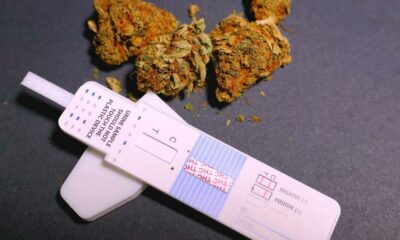
Medications containing THC may impair the abilities necessary for driving. In France, the detection of narcotics during traffic stops also raises specific legal issues for patients undergoing treatment. A doctor’s prescription should not be considered a general authorization to drive after consuming THC. Patients must follow the precautions associated with their treatment and consult their doctor for advice.
This article is based, in particular, on the report «State of the Medical Cannabis Industry in France 2025,» produced by Newsweed and Augur Associates, on data from the ANSM, the work of the Haute Autorité de Santé, and legislation pertaining to medical cannabis. It is updated in line with changes in French regulations.
The information presented here is for informational purposes only and is not a substitute for individualized medical advice.

















Morocco: Three Cannabis-Based Medications Approved for the Treatment of Epilepsy

Canopy Growth Receives New EU-GMP Certification to Strengthen Its Presence in Europe

Three years after legalizing medical cannabis, Albania continues to establish regulations for it

The first plant-based medical THC spray arrives in the United Kingdom

Medical Cannabis in Germany: THC Prices Vary by a Factor of 12

France already has 3,000 cannabis retail outlets. None of them are legal.

Morocco's exports of legal cannabis have expanded to 15 countries

Aurora Cannabis Doubles Its Production Capacity in Germany

Tilray is accelerating its operations in Europe thanks to a license in Portugal

