Cannabinoids show «promising potential as anticancer agents», says study

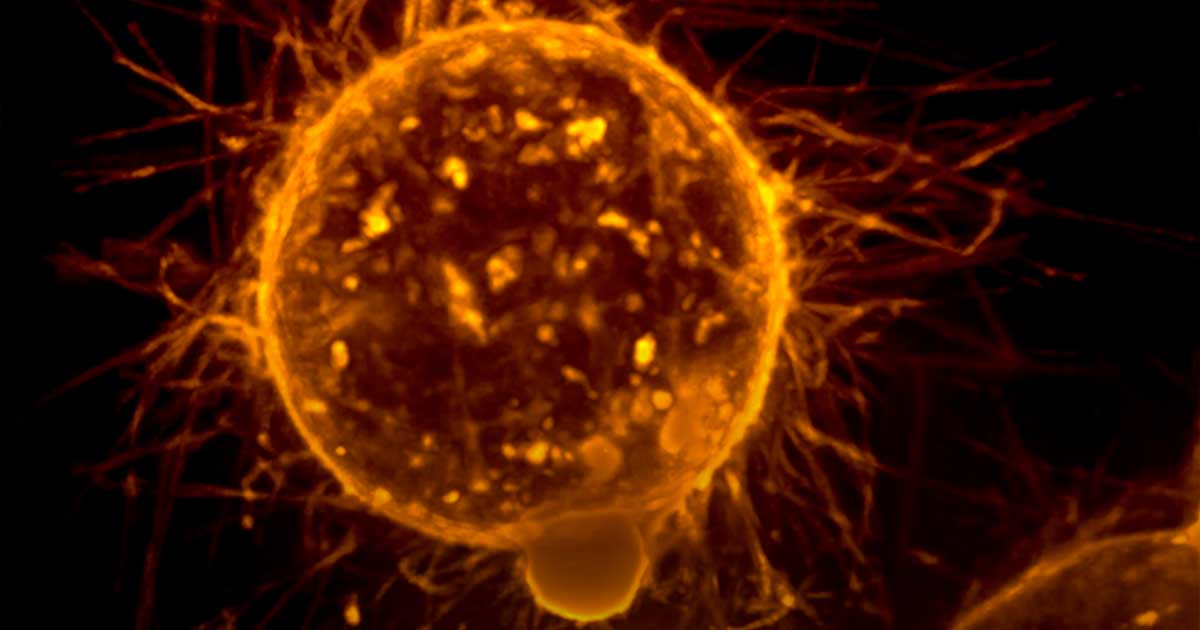
A new scientific review has revealed the the promising potential of cannabinoids as the THC, the CBD and the CBG in cancer treatment.
The researchers concluded that these compounds can slow tumor growth and prevent cancer from spreading, thereby demonstrating their potential as anticancer agents. Although this research is promising, scientists acknowledge that there is still much to understand about the mechanism of action of these cannabinoids and on the optimal dosage.
Potential Benefits of Cannabinoids in Cancer Treatment
According to a review of studies published in Discover Oncology, cannabinoids have demonstrated significant anticancer properties.
These compounds can induce the’apoptosis (programmed cell death), stimulate the’autophagy (the way the body clears out damaged cells) and halt the cell cycle.
In addition, cannabinoids have been shown to have properties anti-proliferative, anti-angiogenesis and’inhibition of metastasis, all of which are essential for preventing the spread of cancer cells. Cannabinoids have also been shown to be effective in palliative care, by helping to regulate appetite, manage pain, and provide anti-nausea effects for patients undergoing chemotherapy.
Although clinical trials have confirmed the effectiveness of cannabinoids in tumor regression and improved health, the researchers point out that the mechanisms of action The mechanisms underlying these effects are not fully understood. They call for further research to understand how cannabinoids interact with cancer cells and influence the tumor microenvironment.
The study points out that while many cancer patients already use cannabis, particularly as part of palliative care, it is necessary to to carry out more’large-scale randomized controlled trials. These studies will help validate the therapeutic effects of cannabinoids and develop standardized treatments for cancer patients.
Cannabinoids and Chemotherapy: A Synergistic Relationship?
There is growing evidence that cannabinoids can enhance the effectiveness of traditional cancer treatments such as chemotherapy. Among the studies reviewed, some suggest that the combination of CBD and THC with chemotherapy drugs such as cisplatin, gemcitabine and the paclitaxel may increase the effects cytotoxic of these drugs, leading to greater cancer cell death. By modulating the pathways involved in the cell cycle regulation and theapoptosis, cannabinoids can make cancer cells more susceptible to chemotherapy-induced cell death.
This potential synergy between the cannabinoids and chemotherapy paves the way for further exploration of how cannabis could be used as a complementary therapy in cancer treatment. However, as with other aspects of cannabinoid use, this area requires further research to clarify interactions and establish consistent clinical guidelines.
The Role of Minor Cannabinoids in Cancer Treatment
In addition to well-known cannabinoids such as THC and the CBD, lesser-known compounds such as the CBG, the CBC, the CBN and the CBDV are also showing promise as anticancer agents. A separate study published in the magazine BioFactors explored the potential of these minor cannabinoids in the treatment of multiple myeloma (MM), a type of blood cancer.
The study tested the responses in cellular models and found that all four cannabinoids had cytotoxic effects on the cells of Messrs. Le CBN It was also tested in a mouse model and showed potential for in vivo application, suggesting that these lesser-known cannabinoids may have untapped therapeutic potential.
These findings highlight the diversity of cannabinoids and their potential roles in oncology. While most research has focused on THC and CBD, a growing body of evidence suggests that minor cannabinoids could provide valuable tools in the fight against cancer.
Despite these promising results, significant gaps remain regarding the mechanism of action of cannabinoids at the cellular level. It is essential to understand the signal lanes and how these compounds affect the tumor microenvironment to fully harness their therapeutic potential.
The journal's authors Discover Oncology emphasize that research on cannabinoids and cancer is still in its early stages. While the use of cannabis for medicinal purposes dates back several centuries, modern scientific research on anticancer properties of cannabinoids is relatively recent. A better understanding of how cannabinoids interact with cancer cells could lead to more effective cancer treatments.
Cannabinoids are widely used in palliative care, particularly in cancer patients receiving chemotherapy. Visit Cannabis-based products help regulate appetite, to manage the pain and combat nausea, making it a valuable addition to treatment plans aimed at improving patients' quality of life.
While cannabis is commonly used to alleviate the side effects of cancer treatments, researchers are also trying to determine whether cannabinoids can play a direct role in treating the disease itself. According to a 2019 study, cannabis may slow the growth of cancer cells and, in some cases, kill them outright. However, the study noted that most of this research has been conducted in vitro (outside a living organism), so further studies involving human subjects are needed.
























Cronos Completes the Acquisition of CanAdelaar for 57.5 million euros

Cannabis with a "bloody" twist: Discover Sensi True Blood and Sensi Sangria, the two new strains from Sensi Seeds

Hemp: The Council of the EU Takes a Stand on New Production and Marketing Rules

Missouri's legal cannabis market accounts for 93 % of consumer spending

THC Gummies: How to Read a Certificate of Analysis Before Buying

British patients now have access to THCV-rich cannabis flowers

Spain: Medical Cannabis Is Coming to About 50 Hospitals

JIHE 2026: Japan’s Largest Trade Show Dedicated to Hemp and CBD Returns to Tokyo with More Than 100 Industry Players

New Caledonia: The Courts Clear the Way for the Return of CBD

The Brazilian medical cannabis market continues to grow
-
 Business2 weeks ago
The legal cannabis market in New York exceeds 4 billion $ in revenue
-

 Cannabis in France4 weeks ago
Which countries legalized medical cannabis before France?
-
Cannabis in France6 days ago
France already has 3,000 cannabis retail outlets. None of them are legal.
-
Business4 weeks ago
South Korea is preparing to begin local production of medical cannabis to meet rising demand
-
Cannabis in the U.S.1 week ago
A DEA report confirms that there are no fatal cannabis overdoses
-
Cannabis in Thailand4 weeks ago
From the boom in dispensaries to a purely medical approach: Thailand is revising its cannabis policy
-
Cannabis and driving4 weeks ago
Medical Cannabis and Driving: New South Wales Ends Automatic Penalties for THC
-
Cannabis in France3 weeks ago
France’s Drug Policy Chief Defends Cannabis Prohibition... and Runs Into the Facts














You must be logged in to post a comment Login